Alice J., Plant Operations Manager (Houston, TX):
“Switching to Yingtai's stainless steel bellows joints cut our pipeline shutdowns by almost half. Their custom sizes fit exactly, and the installation team provided solid support...”



Engineered for precision, durability, and adaptability in industrial piping systems — our bellows expansion joints absorb thermal expansion, vibration, and mechanical stress flawlessly. From OEM customization to high-volume supply, discover why our expertise in manufacturing bellow expansion joints stands out in the global market.
Thermal expansion and mechanical stress in piping networks are persistent challenges across industries ranging from power generation to petrochemical processing. Standard piping materials tend to buckle or crack without flexibility zones, costing significant downtime and costly maintenance.
Bellows expansion joints offer a practical solution, but selecting the right design, material, and manufacturer isn’t straightforward. Mismatched specifications or poor installation can lead to premature failures. Common operational pain points we see in the field include:
Buyers often face challenges sourcing products that balance quality, delivery predictability, and cost transparency. Add complex logistics and international procurement risks, and it quickly becomes clear why expert guidance and supplier credibility are key to long-term success.
At its core, a bellow expansion joint is designed to absorb movements induced by thermal expansion, mechanical vibration, and misalignment in piping systems. Key components include:
Manufacturing techniques include hydroforming, mechanical forming, and welded convolution stacking, each with specific advantages depending on product diameter, pressure class, and application temperature. Precision in bead thickness, weld quality, and convolution design significantly influence fatigue resistance and leak-tightness.
We recommend adherence to industry standards such as ISO 9001, EJMA (Expansion Joint Manufacturers Association), and ASME B31.3 piping codes to ensure product reliability in critical applications.
Selecting the right material for bellows largely depends on the operating environment. Below is a summarized comparison table of common materials we provide and recommend:
| Material | Typical Use | Key Properties | Limitations |
|---|---|---|---|
| Stainless Steel 304 | General-purpose, water & steam | Good corrosion resistance, moderate temperature limits (~870°F) | Susceptible to pitting in chloride-rich environments |
| Stainless Steel 316L | Chemical, marine, and high-temperature applications | Superior corrosion resistance, withstands ~1200°F | Higher cost, less ductile than 304 |
| Inconel® Alloy 625 | High-temp, corrosive chemical plants, aerospace | Outstanding strength & oxidation resistance at 1300°F+ | Expensive; requires precise weld protocols |
Deciding on alloy grade requires balancing lifespan expectations against budget constraints. For uninterrupted service in harsh media, investing in premium alloy grades can avoid costly downtime.
Bellows expansion joints find extensive use across industrial sectors — here are a few core scenarios where their value becomes indispensable:
It pays to specify your expansion joint’s precise pressure rating, nominal diameter, and movement capability upfront — a mismatch can lead to operational hazards or accelerated wear.
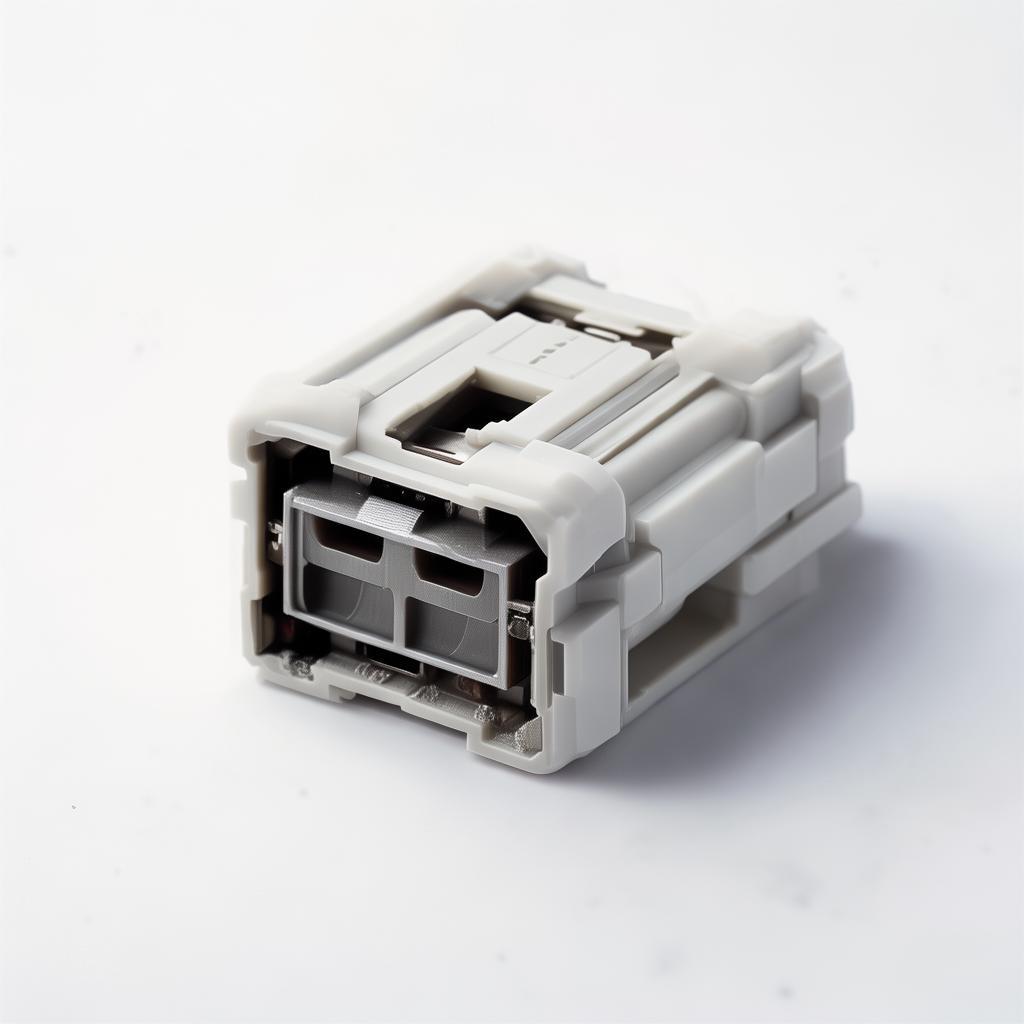
Installation quality directly impacts joint performance and lifetime. Several operational points demand special attention:
Maintenance is typically straightforward but unforgiving of neglect. Bellows expansion joints should be checked regularly during plant shutdowns. Replacement times can vary from 3–10 years depending on material, operating conditions, and environmental factors.
Note: Avoid using excessive torque on flange bolts during assembly — it can warp the convolutions and lead to leakage.
Sourcing bellows expansion joints involves more than comparing price tags. Consider these procurement tips that matter in a competitive global marketplace:
Avoid ad hoc orders from unverified vendors — early investment in a reliable partner often pays off in lifecycle cost savings and warranty service.
Our factory, Guangdong Yingtai High Precision Technology Co., Ltd., with over 20 years of expertise, specializes in OEM/ODM liquid silicone and precision metal forming—pioneering highly customizable bellows expansion joint production built on advanced automated molding and testing equipment.
| Parameter | Range/Value | Notes |
|---|---|---|
| Nominal Size | DN15 to DN2000 | Custom sizes available |
| Operating Pressure | Up to 3000 psi (20685 kPa) | Depends on bellows material and thickness |
| Temperature Range | -196°C to 900°C (-321°F to 1652°F) | Material-dependent (Inconel for high temp) |
| Axial Movement | Up to 150 mm | Custom designs can exceed this |
| Lateral Movement | Up to 50 mm | Depends on design |
| Flange Standards | ANSI, DIN, JIS, BS | Made to customer spec |
expansion flange annular joint expanding threaded inserts for metal
Our manufacturing adheres strictly to global quality benchmarks, ensuring you receive reliable, compliant products. Relevant certifications include:



Alice J., Plant Operations Manager (Houston, TX):
“Switching to Yingtai's stainless steel bellows joints cut our pipeline shutdowns by almost half. Their custom sizes fit exactly, and the installation team provided solid support...”