Black Oxide Plating Solutions for Industrial Precision & Durability
Expertise in Black Oxide Coating | Proven OEM & ODM Supplier | Trusted by Global Manufacturing & Procurement Professionals
Black Oxide Plating: An Industry-Driven Overview
Black oxide plating remains a preferred surface treatment across numerous industries due to its combination of cost-effectiveness, corrosion resistance, and aesthetic appeal. In sectors ranging from automotive components to aerospace fasteners, this chemical conversion coating method offers a matte to semi-gloss finish that minimizes light reflection and enhances wear resistance. Understanding black oxide’s nuances is essential for procurement directors and technical engineers seeking reliable, high-performance coatings that align with production and lifecycle expectations.
The plating process converts the surface of ferrous metals into magnetite (Fe3O4), creating a tightly bonded, black layer approximately 0.5 to 1 micrometer thick. Unlike traditional coatings that build upon the surface, black oxide chemically alters it, delivering unique adhesion and durability benefits. This subtle but crucial distinction helps parts withstand harsh environments without the cracking or flaking commonly seen with thicker coatings.
In practice, black oxide coatings improve lubricity and reduce friction — a factor critical in assembly lines where tolerance and movement precision directly impact throughput. However, it is important to note that the black oxide layer is porous and relies on post-treatment oils or sealants for enhanced corrosion protection, especially where exposure to humidity or salts is anticipated.
Guangdong Yingtai High Precision Technology Co., Ltd. has applied black oxide treatments for over 20 years, integrating this technology with CNC machining, OEM/ODM assembly, and tailored logistics solutions. Our factory’s ISO-compliant processes ensure consistency and traceability from raw metal through final packing, supporting global supply chains that demand rigorous certification and supplier accountability.
We observe that many buyers underestimate the importance of oil penetration depth and environmental conditions. Improper sealing may result in early rust spots that undermine quality perceptions and lead to costly downtime. Procurement managers should request detailed test reports and real-world corrosion performance data from suppliers before commitment.
Advances in black oxide technology now address many traditional drawbacks. Innovative stepped processes, inclusive of alkaline and salt bath oxides, provide enhanced layer uniformity. These innovations contribute to compliance with ASTM D6586-09 and MIL-DTL-13924 standards, which are relevant in aerospace, defense, and automotive procurement.
Key Challenges Faced by Industry Professionals
- Inconsistent coating thickness: Variations can lead to weak corrosion resistance and reduce part lifespan.
- Inadequate sealing: Black oxide’s porosity demands precise oiling or sealing to prevent rust.
- Compatibility issues: Not all substrates respond uniformly; low carbon steels behave differently than stainless steel variants.
- Logistics and packaging risks: Improper handling post-plating can degrade protective layers before final assembly.
- Supply chain transparency: OEMs require evidence of process control over black oxide parameters for quality certification.
Technical Deep Dive: What Happens During Black Oxide Plating?
The black oxide process involves immersing metal parts in a hot alkaline aqueous solution where chemical oxidation produces a magnetite (Fe3O4) surface layer. Unlike electroplating, this conversion coating does not deposit additional material but converts the outer layer of the metal itself.
Typically, the process includes:
- Cleaning and degreasing: Removal of oils and debris to prepare the surface.
- Rinsing: Eliminates residues ensuring uniform chemical action.
- Hot alkaline bath treatment: The part is submerged at roughly 140–150°C for around 20 to 60 minutes, forming the black oxide layer.
- Oiling or sealing: A crucial post-treatment where the porosity is filled to enhance corrosion resistance and visual uniformity.
Material Considerations & Standards
Black oxide plating is primarily effective on mild steel, carbon steel, stainless steel**, and cast iron**. Factors like carbon content affect oxide formation rates and uniformity. The process conforms to standards including:
- ASTM D769 - Black Oxide Coatings on Metal
- MIL-DTL-13924E - Military Specification for Black Oxide Coatings
- ISO 17025 - Testing and calibration of plating properties
Performance Characteristics
| Property | Typical Value | Notes |
|---|---|---|
| Coating Thickness | 0.5–1 μm | Varies with time & bath composition |
| Corrosion Resistance (Salt Spray) | 24–48 hours | With oil sealer, prevents rust |
| Surface Hardness | Up to 300 HV | Improves abrasion resistance |
| Temperature Resistance | Up to 600°F (315°C) | Good for heat-treated components |
Why Choose Black Oxide Over Alternative Coatings?
Black oxide plating competes with coatings such as zinc plating, phosphate coatings, and powder coatings. Its distinct qualities provide niches where it excels despite certain limits:
- Minimal dimensional change: Because it’s a chemical conversion, it adds negligible thickness. This is critical for parts requiring tight fit tolerances.
- Superior adhesion base: The oxide layer improves adhesion for secondary coatings, paints, or lubricants.
- Cost efficiency: Lower material usage and simpler processing compared to electroplating or anodizing.
- Environmental compliance: Avoids heavy metals like chromium VI, easing regulatory burdens.
Comparison at a Glance
| Coating Type | Thickness | Corrosion Protection | Cost Complexity | Typical Uses |
|---|---|---|---|---|
| Black Oxide | 0.5 - 1 μm | Moderate, with oil | Low | Fasteners, tools, OEM parts |
| Zinc Plating | 5-20 μm | High | Medium | Automotive, hardware |
| Phosphate Coating | 10-15 μm | Moderate | Low | Painting base, corrosion resistance |
| Powder Coating | 50-100 μm | Very High | High | Furniture, automotive trim |
Detailed Black Oxide Plating Specifications
| Parameter | Range / Value | Notes |
|---|---|---|
| Process Temperature | 140–150°C (284–302°F) | Maintains bath stability and oxide consistency |
| Bath Composition | Alkaline sodium hydroxide & nitrates | Regulated to optimize oxidation |
| Immersion Time | 20–60 minutes | Controls coating thickness & uniformity |
| Post-treatment | Oil or wax sealing applied | Critical for corrosion resistance |
| Adhesion Strength | >5 MPa (Tape test) | Depends on substrate prep & cleaning |
| Corrosion Test | Salt spray 24–48 hours | After oil sealing, ASTM B117 standard |
black oxide process black oxide treatment black oxide services
Applications & Installation Considerations
Black oxide plating’s versatility supports a spectrum of industrial parts:
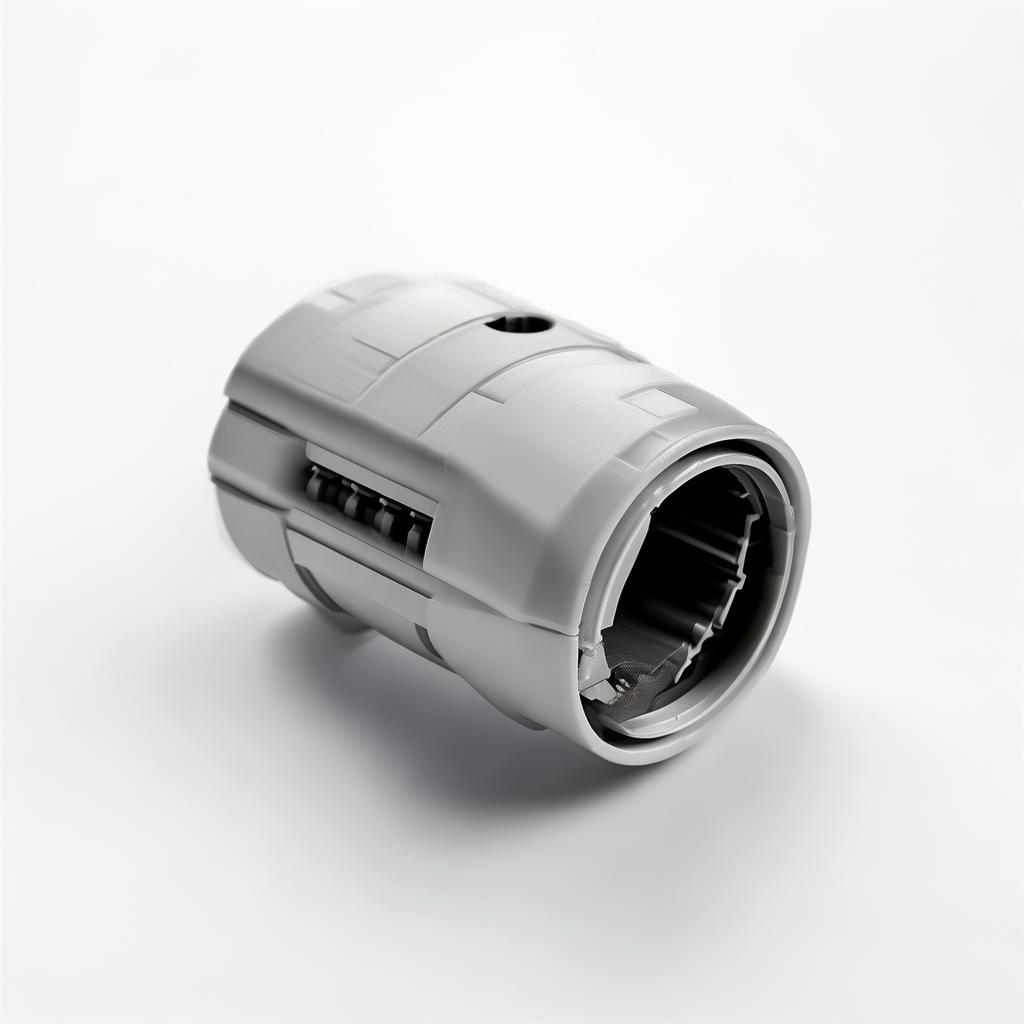
- Fasteners: bolts, screws, washers, offering subtle anti-glare surface.
- Tooling: drills, blades, punches benefit from wear resistance improvement.
- Automotive components: brackets, springs where lightweight corrosion protection is needed.
- Electrical contacts: enhanced conductivity with oxidation layer adhering firmly.
- Aerospace parts: meeting MIL specifications for appearance and function.
Installation Notes: When integrated into assembly lines, parts with black oxide require careful packaging and handling. The sealing oil is sensitive to abrasion and solvents, which can strip protection if mishandled during transit or assembly. We recommend:
- Use of plastic packaging with anti-static and moisture barrier properties.
- Controlled temperature and humidity storage conditions.
- Pre-assembly cleaning protocols to avoid oil contamination.
- Regular quality audits for batch corrosion resistance.

Procurement Insights & Supplier Evaluation
Selecting a reliable supplier for black oxide plating requires a blend of technical verification and practical risk mitigation. Purchasing managers need to consider:
- Factory Capabilities: Confirm plating bath volumes, process control automation, and ISO/TS certifications.
- Production Capacity & Lead Times: Understand batch size limits, typical processing durations, and ramp-up flexibility for urgent orders.
- Quality Assurance: Request sample testing data: salt spray, adhesion tests, coating uniformity measurements.
- OEM/ODM Integration: Verify supplier experience in custom modifications and design feedback loops to avoid mismatches.
- Packaging and Shipping: Examine container loading plans to minimize handling risks and damage in transit.
At Guangdong Yingtai, we've developed an integrated manufacturing system combining mould design, precision CNC processing, black oxide plating, sealing treatments, and stable logistics protocols — all backed by a dedicated inspection team. Our clients in the USA and Europe appreciate our transparent communication and adherence to ASTM and ISO quality standards.
Quick Supplier Checklist for Your Black Oxide Projects:
- Request recent corrosion resistance reports compliant with ASTM B117 testing.
- Validate process control logs for bath concentration and temperature stability.
- Check ability to handle part geometry complexities without coating defects.
- Inquire about post-treatment oil types and environmental compliance.
- Ask for customer references within your application sector.
Frequently Asked Questions
What metals are suitable for black oxide plating?
Primarily low and medium carbon steels are ideal. Some stainless steels with specific grades can also be treated, but aluminum and non-ferrous metals are not suitable.
How long does the black oxide finish last in corrosive environments?
The oxide layer alone offers limited protection. Life span depends heavily on quality of post-treatment oil or sealant and environmental exposure. Typical salt spray tests show 24-48 hours of resistance before rust initiation.
Is black oxide plating environmentally friendly?
It is considered more eco-friendly compared to hexavalent chromium plating due to lower toxicity. Wastewater treatment for spent baths is required to meet local regulations.
Can black oxide plating be combined with other coatings?
Yes, it often acts as a base for paints, lubricants, or powder coatings to enhance both aesthetic and protective properties.
What lead times should I expect for black oxide coated parts?
Typical lead time ranges from 7 to 14 days depending on batch size and finishing complexity. OEM projects with testing documentation may require longer.
What Our Clients Say

“Yingtai’s black oxide plating consistently meets our aerospace-grade standards. Their process control and fast lead times help us avoid costly line stoppages.”

“Their black oxide-coated fasteners reduced our batch rejection rate by nearly 30%. The sealing oil protection is noticeably superior to previous suppliers.”

“Working with Yingtai gave us the technical support needed to optimize our component design for black oxide finishing. Their expertise saved significant rework costs.”
Chat with Our Technical Experts