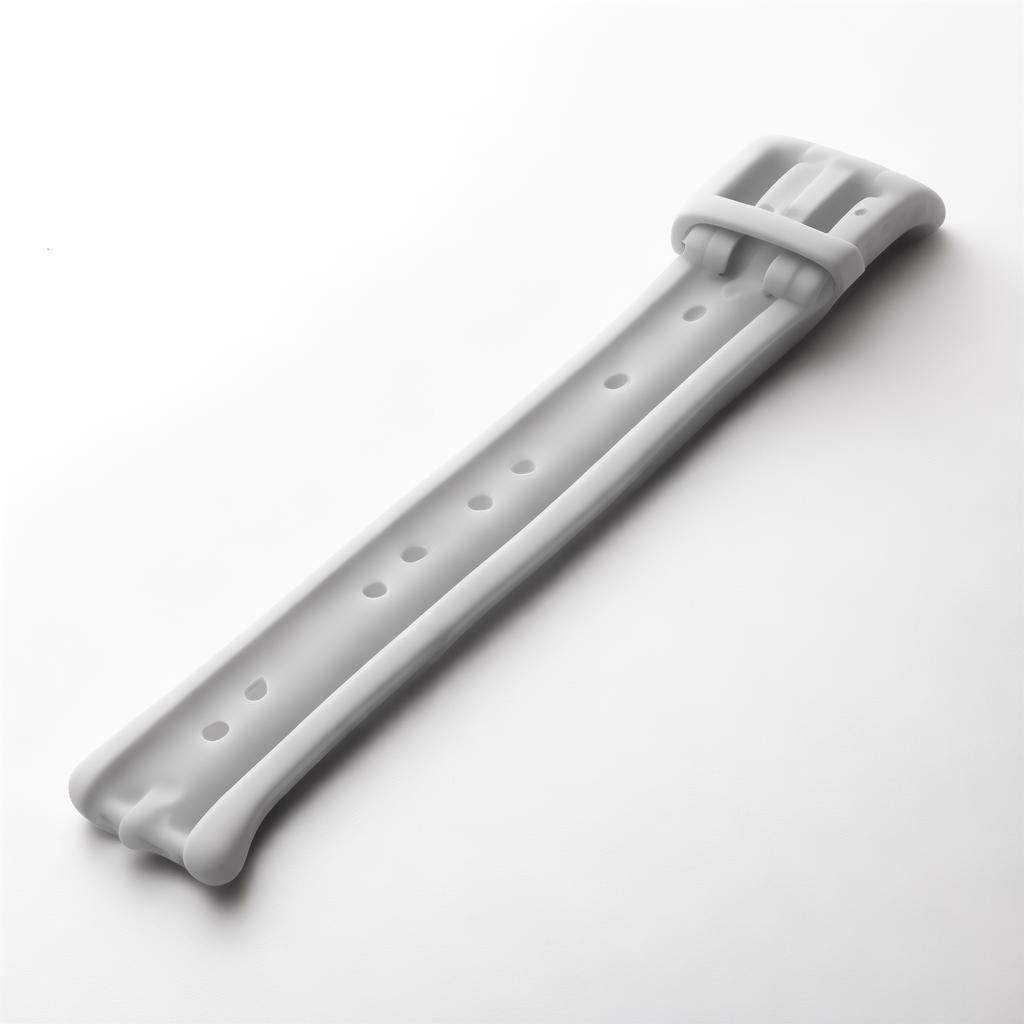
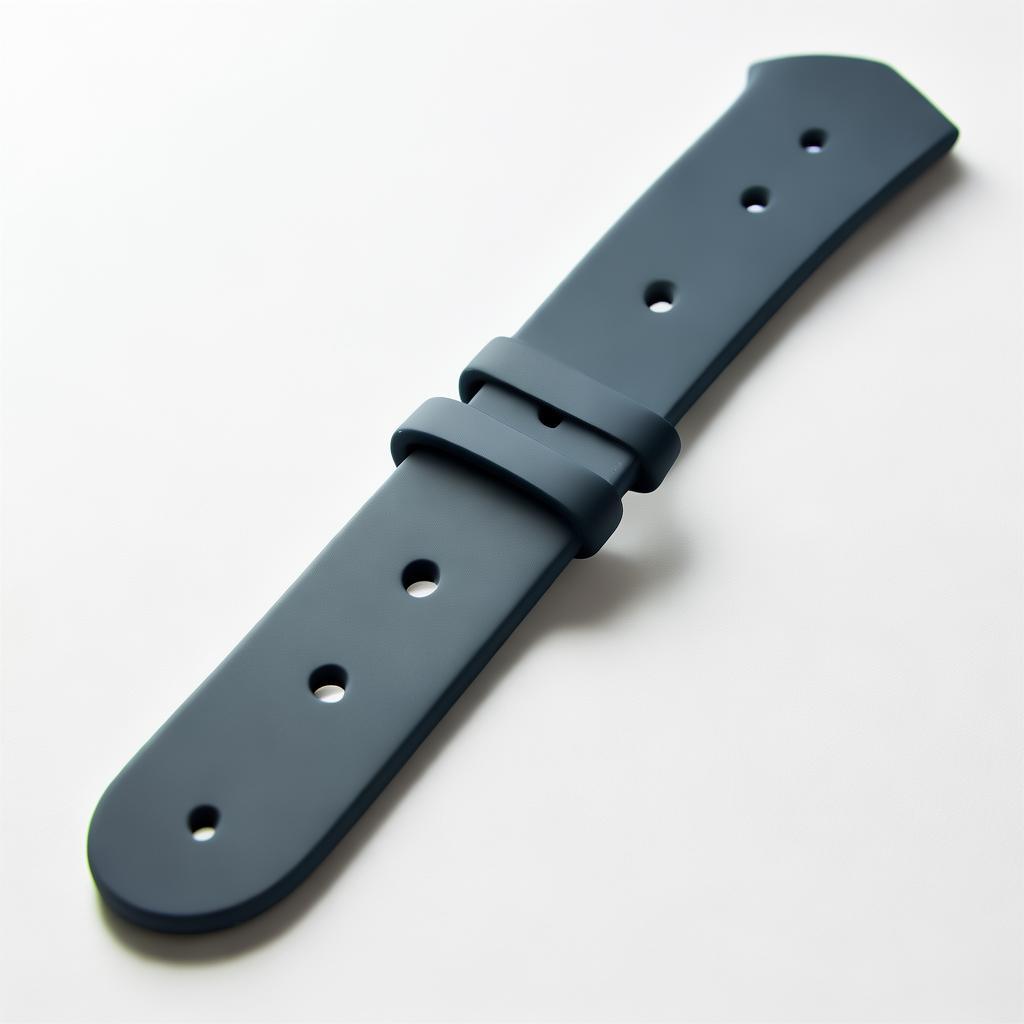
Navigating the complexities of black processing — from material selection and molding to logistics and supplier evaluation — tailored for purchasing managers, engineers, and global B2B procurement professionals. Within industrial manufacturing, black processing refers
Product Details
Black Processing: Expert Insights & Solutions for Industrial Manufacturing
Navigating the complexities of black processing — from material selection and molding to logistics and supplier evaluation — tailored for purchasing managers, engineers, and global B2B procurement professionals.
Understanding Black Processing in Modern Industrial Manufacturing
Within industrial manufacturing, black processing refers to a set of specialized treatments and finishing techniques applied to materials—commonly metals, plastics, and silicone-based compounds—to achieve specific operational characteristics and appearances. It is a term of choice among manufacturers of OEM/ODM components, precision molders, and supply chain experts who demand high consistency in product aesthetics and performance.
Though often misunderstood as purely a cosmetic process, black processing intimately ties in with material properties, functional durability, and manufacturing throughput. This is especially true in sectors like automotive, consumer electronics, and industrial appliances where black finishes must satisfy stringent standards such as ISO 9001 quality management or RoHS compliance for chemical safety. The process can vary significantly—from black oxide coatings on steel components improving corrosion resistance, to specialized black silicone molding techniques enhancing thermal stability and elasticity.
With the rise of liquid silicone rubber (LSR) applications in sealing systems and wearable electronics, black processing increasingly involves complex injection molding methods, overmolding, and hybrid material integrations. According to Grand View Research[1], the global LSR market is surging, propelled by demands for exquisite finished parts that require precision black processing for functional aesthetics and environmental resilience.
For purchasing managers, understanding the nuances behind black processing delivers better control over supplier quality and cost management. Key considerations often revolve around process repeatability, defect rates, and material compatibility. Engineering teams face challenges balancing black processing with manufacturing cycle times and tooling costs—a delicate dance that demands knowledgeable partner factories capable of sustaining ISO and CE certifications while offering OEM flexibility.
Ultimately, black processing serves as the backbone for many finished product lines, where failure to optimize this phase can cause downstream inefficiencies—from assembly line disruptions to customer dissatisfaction due to poor component reliability. This article breaks down critical facets of black processing, sharing in-depth industry insights, technical overviews, operational advice, and practical procurement strategies to equip you with actionable knowledge.
Key Industry Challenges in Black Processing
Inconsistent Finish Quality: Variations in black oxide coatings or silicone pigment dispersion can cause color shifts or surface weaknesses, leading to frequent reworks.
Material Compatibility Issues: When black processing involves multi-material overmolding (e.g., LSR on ABS plastic), inadequate adhesion can result in premature product failures.
Tooling and Cycle Time Delays: Precision molds required for uniform black finishes often increase lead times and capital expenditures for new production runs.
Defect Management: Black processing defects frequently manifest as porosity, bubbling, or flash spots, especially when injection molding parameters are not finely tuned.
Logistics and Handling Risks: Finished black-processed parts are prone to surface scratches and contamination, necessitating specialized packaging and transit procedures.
Procurement Tip:
When sourcing black-processed components, verify if the supplier applies rigorous process controls such as process capability indices (Cpk) and employs in-line inspection with advanced testing instruments.
Technical Overview: Methods & Material Characteristics
Black processing encompasses diverse methods depending on substrate and end-use requirements. Understanding these technical pathways assists procurement teams in aligning specifications with manufacturing realities.
1. Black Oxide Coating for Metals
Popular in steel components, black oxide is a conversion coating process chemically converting the metal surface to a dense iron oxide layer. This treatment enhances corrosion resistance, reduces light reflection, and improves lubricity. The coating is thin—typically 1µm to 2µm—which preserves part tolerances.
While cost-effective, black oxide requires strict control of cleaning and immersion times. Overexposure or improper rinsing can produce uneven finishes or weak adhesion.
2. Black Liquid Silicone Rubber (LSR) Injection Molding
LSR black processing involves sophisticated injection molding using black-pigmented liquid silicone rubber. This process is gaining momentum in industries requiring high-performance seals and flexible components.
Injection molding of LSR demands high-precision tooling and process parameters to prevent air entrapment, porosity, and color inconsistencies. As outlined by research from Fraunhofer Institutes[4], optimizations in mold inserts and cavity venting can drastically reduce flash defects and raw material waste.
Furthermore, combining black LSR with thermoplastics (like ABS) in multi-shot molding requires surface activation and temperature management to ensure strong bonding as indicated by MDPI Polymers[6].
3. Powder Coating and Paint Finishes
For parts requiring thicker or more decorative black finishes, powder coating or specialized paints are applied post-manufacturing.
While these techniques offer excellent environmental resistance and aesthetic customization, they add an extra stage and require curing ovens, increasing cycle times. These processes also necessitate surface pretreatment such as phosphating or sandblasting for adhesion.
4. Process Quality Metrics & Material Standards
Effective black processing hinges on adherence to standards like ISO 9001, RoHS, and CE certification. Material datasheets should validate color fastness, UV resistance, chemical compatibility, and temperature tolerances.
Rheological data—viscosity, curing kinetics, and thermal properties—are critical inputs for injection molding simulations, as noted by the MDPI polymer study[1]. Advanced digital twin systems increasingly rely on accurate datasets to reduce trial runs and improve dimensional precision.
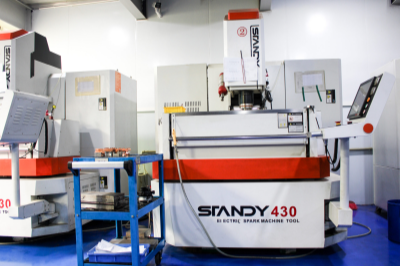
Yingtai's advanced liquid silicone rubber injection molding machines optimize black processing quality and efficiency.
Advantages of Choosing Professional Black Processing Solutions
Delivering consistent, functional black finishes requires factories with robust manufacturing ecosystems and process expertise. Guangdong Yingtai High Precision Technology Co., Ltd. provides an illustrative example showcasing strengths sought by global buyers:
Integrated Industry Chain: From mold development to finished products, the end-to-end system shortens lead times and reduces defect rates.
Advanced Equipment: Over 55 liquid silicone molding machines, 80+ plastic injection units, plus high-precision mold processing ensure competitive quality reliability.
Material Versatility: Expertise with liquid silicone, solid silicone, plastic, and overmolded composite parts allow tailored black processing.
Stringent Quality Controls: Professional testing instruments and ISO/CE-compliant workflows enforce traceable quality assurance.
OEM & ODM Capabilities: Flexible production models accommodate custom designs fitting diverse industrial applications.
Rigorous Process Optimization: Specialized tooling design and injection parameter tuning reduce flash, surface imperfections, and cycle times.
Procurement teams should not overlook post-production handling during black processing supply chains. The unique surface characteristics and sensitivity of finished black parts require specialized packaging and shipment strategies.
Protective Barriers: Use anti-static, anti-scratch films or foam layers to avoid abrasion during transit.
Container Loading Optimization: Arrange parts to minimize movement. Bulk packaging with cushioning minimizes impact damage but requires careful volume planning.
Climate Controls: Monitor humidity and temperature to prevent moisture-induced degradation, particularly for rubber and soft-touch surfaces.
Documentation Included: Provide detailed handling and installation instructions with shipments to reduce touch-ups and rejections at assembly sites.
Lead Time Management: Coordinate order planning as high-precision black processing cycles often require 4-6 weeks, including tooling setup.
Note: Poor logistics can obliterate careful process gains. Always verify supplier’s shipping security protocols and inspection records before large-scale orders.
Procurement Guidance & Supplier Evaluation for Black Processing
Choosing the right supplier for black processing is a strategic decision where risk reduction meets quality assurance. Here are key criteria to consider:
Factory Scale & Equipment: Does the supplier’s equipment portfolio match your volume and material requirements? Look for specialized LSR molding lines if applicable.
Certifications & Quality Records: Confirm ISO 9001, CE, RoHS certificates. Request recent inspection reports and process control documents.
Process Transparency: Reliable partners share molding parameters, defect rates, and testing protocols. Avoid suppliers with vague or inconsistent data.
Prototype & Sampling Capabilities: Early sampling prevents costly design flaws. Confirm tooling turnaround and iteration times.
OEM/ODM Experience: Trusted suppliers can handle custom designs, assembly integration, and multi-material processing—critical for black processing complexities.
Communication & Responsiveness: Timely technical support and clear communication mitigate risks of misunderstandings and delays.
Industry Note: Suppliers who invest in mold innovation and use AI-driven process optimization tools — as emerging in advanced silicone molding facilities — bring measurable quality and cost advantages.
Frequently Asked Questions (FAQs)
What materials are typically involved in black processing?
Black processing covers metals (steel, aluminum), plastics (ABS, polycarbonate), and silicone materials (liquid and solid), each requiring distinct treatments like black oxide, painting, or pigmented molding.
How does black processing impact product durability?
Properly applied black coatings improve corrosion resistance, UV stability, and chemical resistance. Poor processing can reduce lifespan and cause early failures.
What are typical lead times for black-processed components?
From mold design to finished parts, expect 4 to 6 weeks for initial runs. Specialized LSR injection molding may add extra time due to tooling complexity.
What standards should I check in suppliers?
Look for ISO 9001 certifications for quality management, RoHS compliance for hazardous substances, CE marks for safety, and adherence to material-specific industry standards.
Can black processing be customized for OEM requirements?
Yes, many manufacturers offer OEM/ODM services allowing configurable color shading, surface texture, gloss levels, and multilayer treatments to meet design and functional requests.
What are common defects in black processing?
Defects include uneven coating, bubbling in silicone molding, flash molding excess, poor adhesion in overmolding, and surface scratches during logistics.
Customer Testimonials
John Mitchell
Procurement Director, Automotive Supplier
“Switching to Guangdong Yingtai’s black processed LSR parts significantly reduced rejection rates on our assembly lines. Their process consistency and rapid sampling cut our development cycles by weeks.”
Get in Touch
If you have any camping barbeque equipment inquiry, please feel free to contact us.