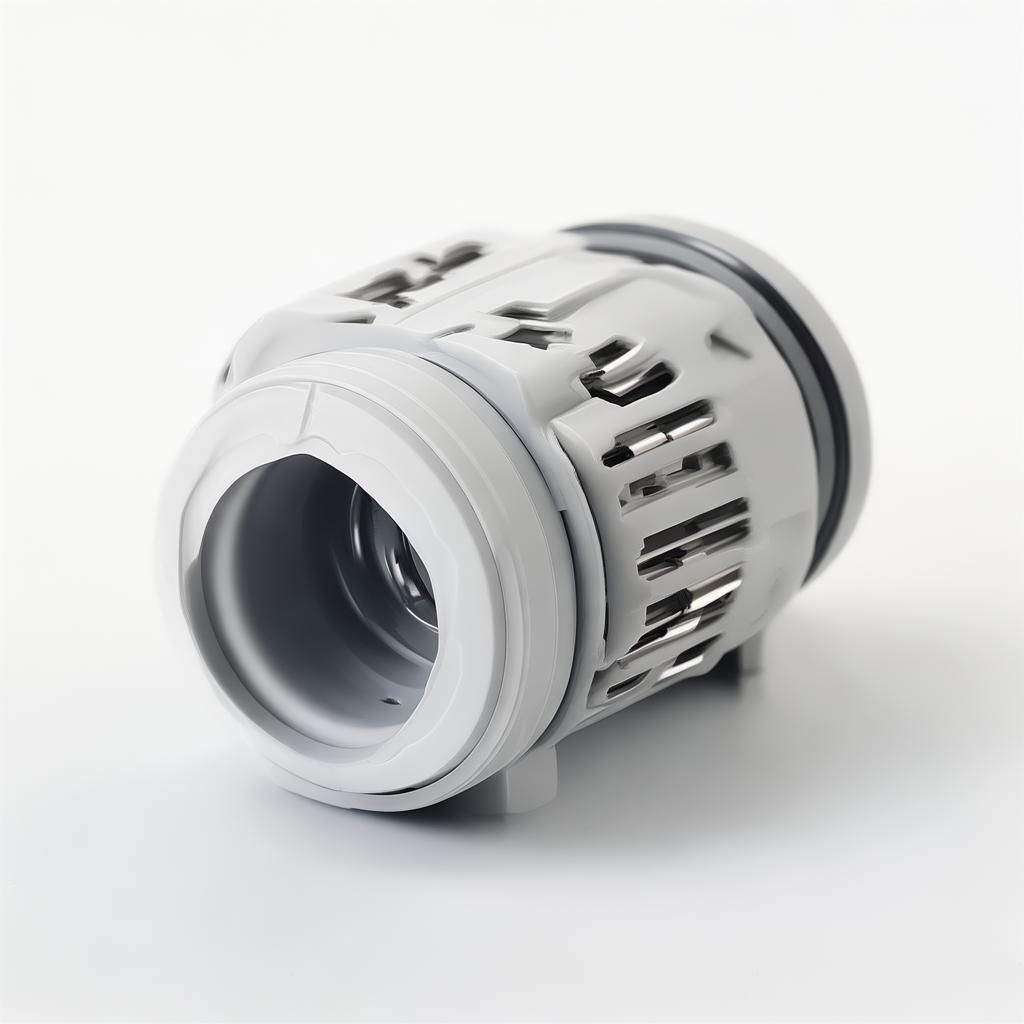
Blind Hole Solutions for Precision Manufacturing & OEM Supply
Guangdong Yingtai High Precision Technology Co., Ltd. - Industry-Leading OEM Manufacturer in Blind Hole Components & Liquid Silicone Molding
Introduction: Understanding Blind Holes in Manufacturing
In precision manufacturing, the blind hole is an essential geometric feature that demands exacting tolerance and high-quality finishes. Unlike through holes, a blind hole stops at a predetermined depth without breaking through the material's opposite surface. This design aspect increases structural strength and isolates specific assembly components from through-environment exposure.
Typically found in industries ranging from automotive assembly to medical device fabrication, blind holes provide critical anchorage points and ensure the integrity of mechanical systems. The challenges of manufacturing blind holes revolve around maintaining dimensional consistency while avoiding defects such as burrs, uneven bottoms, or misalignment.
With more than two decades of expertise, Guangdong Yingtai High Precision Technology Co., Ltd. has refined blind hole production using state-of-the-art machining and molding techniques. Our facility in Dongguan integrates advanced mold development, multi-axis CNC machining, and precision injection molding of liquid silicone rubber (LSR) to deliver robust blind hole components optimized for various OEM and ODM applications.
Industry insight: A majority of purchasing managers prioritizing blind hole components report frequent procurement risks related to inconsistent depth tolerances and surface finish defects, which can compromise assembly sealing and longevity. Avoiding these pitfalls begins with choosing a supplier who understands the complexities of blind hole fabrication as an integral part of the design-to-supply chain workflow.
(Reference: Grandview Research, Liquid Silicone Rubber Market Size Report 2023-2030)
Industry Challenges with Blind Hole Solutions
- Precision depth control: Achieving a consistent blind hole depth requires specialized CNC programming and verification tooling, especially for tight tolerance components.
- Material variety: Working across metal alloys, plastics, and liquid silicone requires adaptable tooling hardness and machining parameters.
- Surface finish quality: Maintaining a burr-free and smooth internal surface prevents premature wear of fasteners, seals, or sensors installed inside blind holes.
- Inspection complexity: Blind hole depth and internal geometry are challenging to verify without destructive testing, demanding advanced non-contact measuring methods.
- Integration with injection molding: When producing blind holes in overmolded liquid silicone or plastic parts, understanding material flow and curing interactions is critical to avoid voids or flash defect.
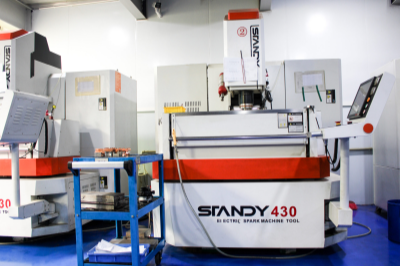
Such challenges underscore the value of partnering with a supplier combining precision machining expertise and advanced injection molding capabilities. Yingtai's synergy between 55 liquid silicone molding machines and 80 injection molding units, along with precision mold processing, equips us to handle blind hole dimensions down to micrometer levels consistently.
Technical Deep Dive: Blind Hole Manufacturing & Material Comparison
Manufacturing Methods
The most common processes for blind holes include:
- CNC Drilling: High-speed spindle drilling with custom depth stops and peck drilling cycles.
- CNC Boring and Reaming: For achieving tight diameter tolerances and smooth roundness.
- Injection Molding with Inserts: Forming precise cavities within molded LSR or plastic parts, leveraging precision steel molds.
Material & Process Specifications
| Material | Machining/Tolerance | Surface Finish (Ra) | Max Depth (mm) | Common Standards |
|---|---|---|---|---|
| Aluminum Alloy 6061 | ±0.05 mm | 0.8 µm – 1.2 µm | Up to 50 | ISO 2768-fine |
| Stainless Steel 304/316 | ±0.02 mm | 0.4 µm – 0.8 µm | Up to 100 | ASTM A276 |
| Liquid Silicone Rubber (LSR) | Mold precision: ±0.05 mm | Mold surface polished to 0.2 µm | Depends on mold design (up to 30) | ISO 10993 (Biocompatibility) |
| Engineering Plastic (POM, Nylon) | ±0.1 mm | 1.5 µm – 3.2 µm | Typically up to 40 | UL 94 for flammability |
blind tapped hole blind grommets chamfered hole
Operational note: For blind holes in LSR molded parts, mold venting and cavity design are critical to prevent trapped air bubbles and ensure proper cure, as shown in recent research studies on LSR quality optimization ([MDPI][1], [Fraunhofer Research][4]). Yingtai leverages advanced mold engineering and quality testing instruments to minimize these risks.
Typical Application Environments
Blind holes find usage in many manufacturing and assembly contexts, often serving as functional features rather than mere visual elements:
- Automotive fasteners and seals: Engine blocks, transmission housings, and body panels requiring durable bolt anchorage without penetrating structural layers.
- Consumer electronics: Embedded sensors and connectors mounted on plastic substrates with overmolded silicone sealing.
- Medical device components: Precision blind holes for mounting microfluidic devices or sealing caps, demanding biocompatible materials and cleanroom manufacturing.
- Wearable technology enclosures: Waterproof sealing achieved by integrating blind holes filled with LSR gaskets.
- Industrial machinery: Lubrication ports and sensor housings that maintain system integrity without full material penetration.
Procurement & Supplier Considerations for Blind Hole Components
Buyers face several important questions when sourcing blind hole parts or modules, especially when combining metallic and liquid silicone materials:
- Does the supplier possess the capability to engineer precision molds with depth control for blind holes? Tools such as automatic depth stops in CNC and pressure-controlled molding provide key quality assurances.
- What are the tested dimensional tolerances and acceptable yield rates for drilled or molded blind holes? Confirm benchmarking figures or statistical process control (SPC) data to reduce incoming inspection overhead.
- Can the supplier support OEM customization or complex multi-material overmolding? Integration of metal inserts with LSR or plastic requires sophisticated multi-shot molding, an area where Yingtai holds rich operational experience.
- Are the materials compliant with regional standards such as RoHS, REACH, or ISO quality systems? Certifications give peace of mind for cross-border commercial contracts.
- What are realistic lead times and logistics capabilities for bulk export? Timely container loading and optimized packing methods avoid costly delays or damaged goods on arrival.
Tip: Requesting detailed technical specifications and first-article inspection (FAI) reports upfront can prove invaluable during supplier evaluation. Yingtai provides comprehensive documentation including ISO9001 certification and production process traceability.
Frequently Asked Questions
- Q1: What is the typical tolerance for blind hole depth in CNC machined parts?
-
A: For standard metals, ±0.05 mm is achievable with proper tooling. For critical aerospace or medical parts, tolerances as tight as ±0.01 mm may be implemented using specialized equipment and in-process measurement.
- Q2: How do you avoid burr formation on blind hole edges?
-
Ensuring correct drill bit geometry, applying peel drilling or peck drilling cycles, and using deburring tools post-drilling are standard practices.
- Q3: Are liquid silicone blind holes durable under harsh environments?
-
LSR parts with blind holes maintain excellent thermal stability (up to around 200°C), chemical resistance, and UV resistance, making them suitable for automotive and outdoor electronic applications.
- Q4: Can Yingtai produce customized blind hole designs with combined materials?
-
Yes, our integrated mold-making and injection capabilities support multi-component solutions such as metal-silicone overmolding, meeting complex functional specifications.
- Q5: What are typical lead times for blind hole component orders?
-
Initial samples usually require 3–4 weeks depending on mold readiness; volume runs depend on order size and complexity but often fall between 6–8 weeks including quality validation.
Customer Reviews

John M., Purchasing Manager, Industrial Components USA
Our transition to Yingtai’s blind hole parts improved our yield by cutting depth-related rejections by half. They delivered on tight tolerances with consistent quality, even for multi-material assemblies. Communication was straightforward and lead times reliable.

Susan L., OEM Production Supervisor, Medical Devices
The precision and surface finish on their molded LSR blind holes are unmatched. Our functional sealing components now meet stricter ISO 10993 standards, essential for our products’ biocompatibility certification.

David R., R&D Engineer, Automotive Parts Supplier
Yingtai's responsiveness during our custom tooling development saved us valuable time. The combination of CNC machining with advanced silicone injection molding for blind holes helped us meet aggressive project milestones efficiently.
Contact Us & Next Steps
Interested in precision blind hole manufacturing backed by a full-service industrial park and rigorous quality controls? Connect with our experts for tailored OEM/ODM solutions.
- Phone / WhatsApp: +86 17722437688 (Miss Zhang)
- Email: zmm@yingtai168.com / lh@yingtai168.com
- Fax: +86 0769-83666863
- Address: No. 359 Chang'an Bubugao Road, Chang'an Town, Dongguan City, Guangdong Province, China
- Website: https://www.ytplasticmold.com/contactus/