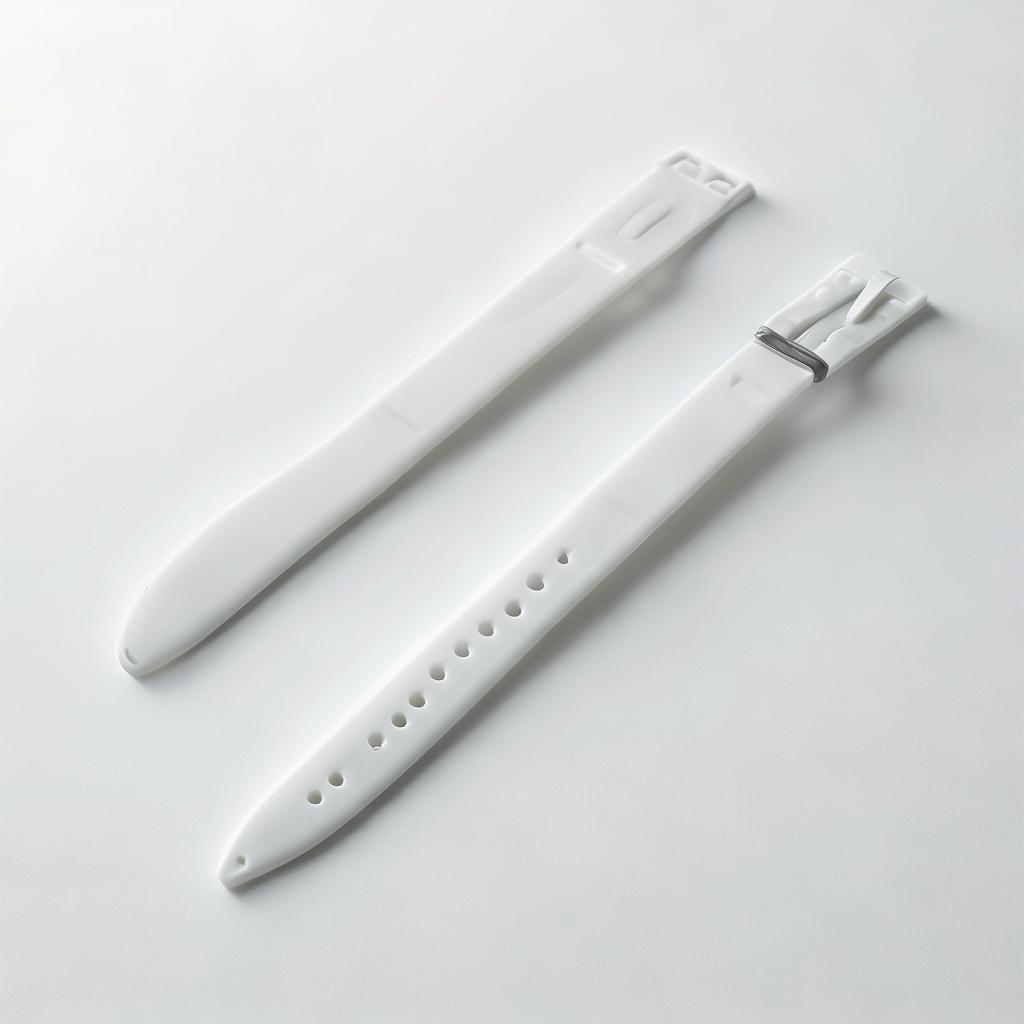
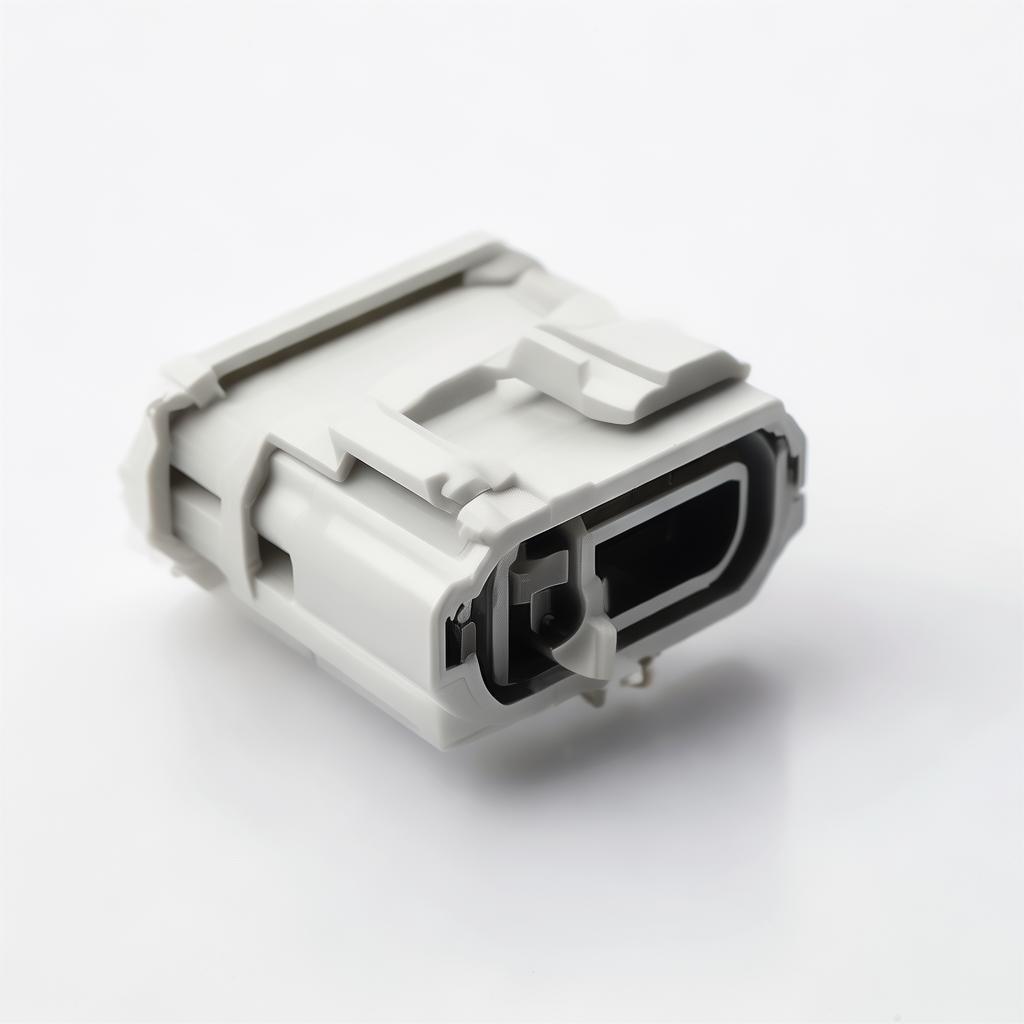
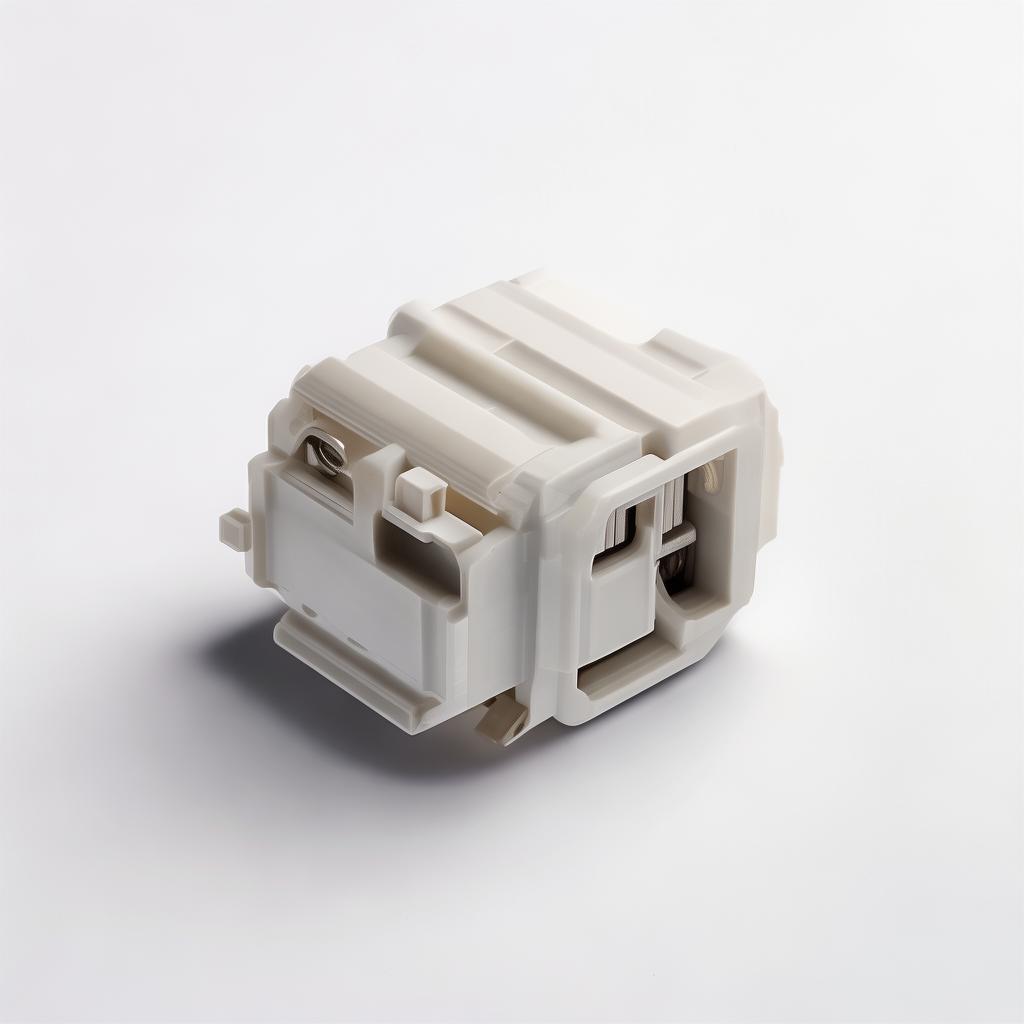
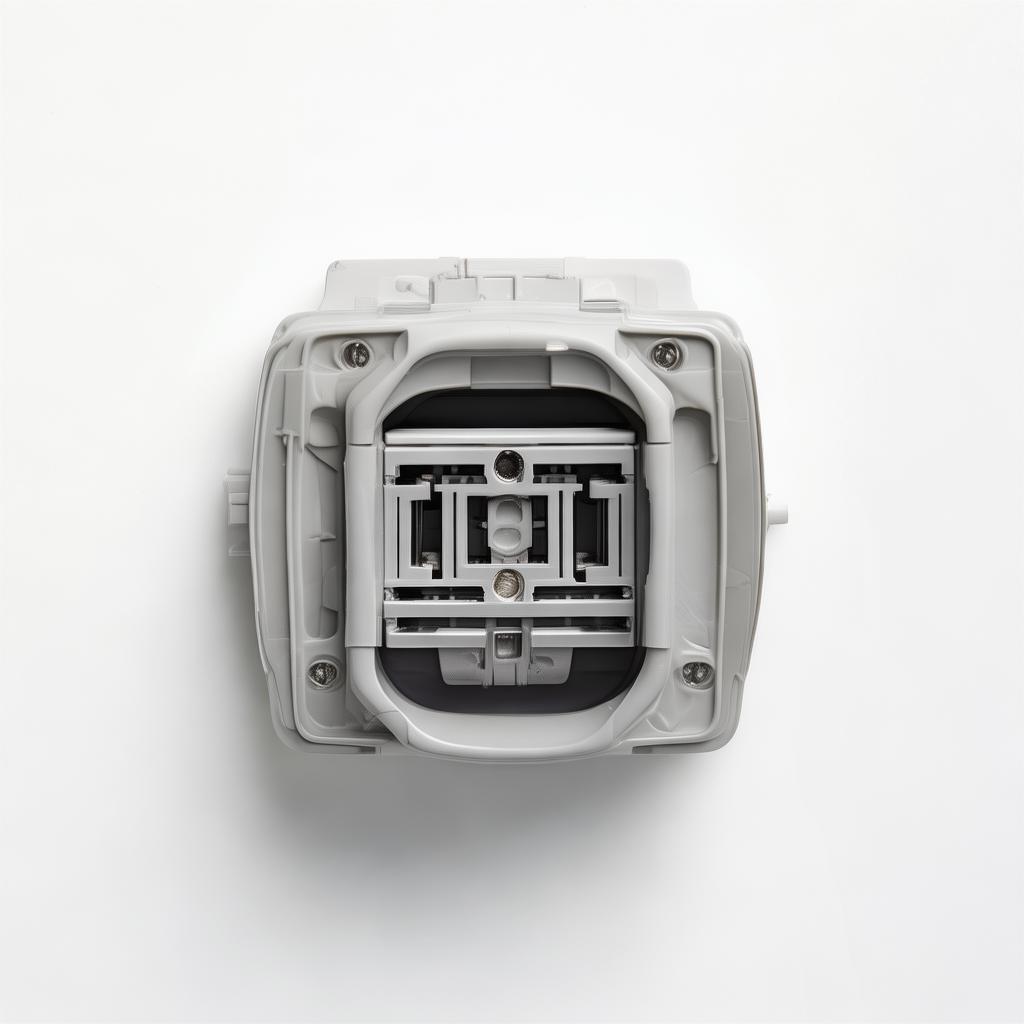
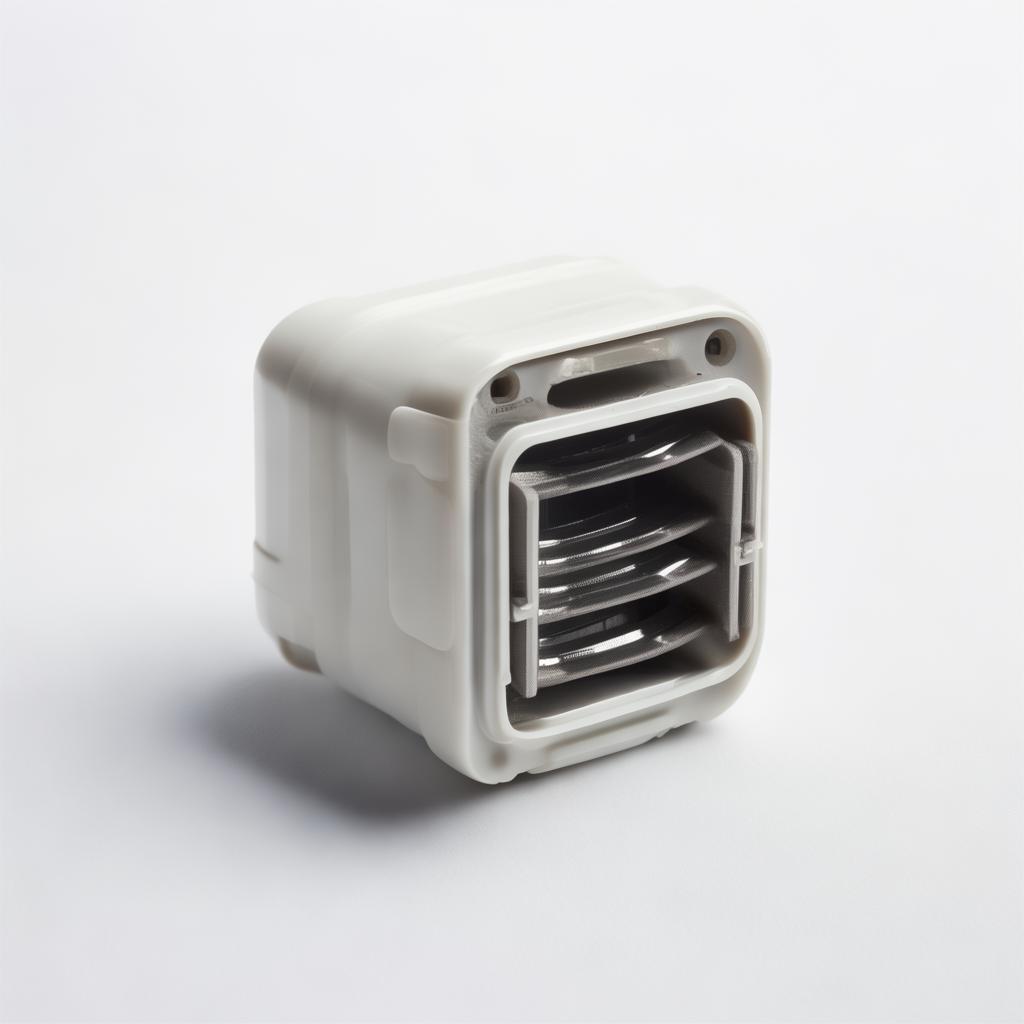
Your trusted partner in supplying premium 6.6 nylon sourced from Guangdong Yingtai High Precision Technology Co., Ltd., Dongguan, China. Sourcing 6.6 nylon (polyamide 6.6) for industrial-grade applications is anything but straightforward. We often observe
Product Details
6.6 Nylon: Industrial-Grade High-Performance Polyamide for Precision Manufacturing
Your trusted partner in supplying premium 6.6 nylon sourced from Guangdong Yingtai High Precision Technology Co., Ltd., Dongguan, China.
Industry Procurement Challenges with 6.6 Nylon
Sourcing 6.6 nylon (polyamide 6.6) for industrial-grade applications is anything but straightforward. We often observe procurement managers juggling between inconsistent material grades, unreliable certifications, and fluctuating delivery timelines. These issues cascade into production delays, compromised product quality, and unexpected cost overruns.
One common pitfall is underestimating the impact of even minor variation in molecular weight or crystallinity on final mechanical properties—especially in high-demand environments like automotive part manufacturing or electrical equipment housings. Without a supply chain that’s both transparent and technically competent, many buyers end up with materials that fail critical ISO 1043 compliance or exhibit subpar heat deflection temperatures.
Logistic complications add another layer of risk. Improper shipping methods expose 6.6 nylon pellets to moisture, causing hydrolysis during processing, which irreversibly degrades material performance. Delays in container loading or customs clearance translate into urgent, costly last-minute sourcing from second-tier suppliers.
In short, evaluating the material consistency, certification authenticity, and supplier logistics capabilities upfront is vital to mitigate these hidden risks.
Technical Profile of 6.6 Nylon
Polyamide 6.6, commonly referred to as 6.6 Nylon, is a semi-crystalline thermoplastic revered for its excellent mechanical strength, abrasion resistance, and thermal stability. It is synthesized through the condensation polymerization of hexamethylene diamine and adipic acid, yielding a material with a high melting point typically between 255°C and 265°C.
Its crystalline structure fosters impressive abrasion resistance and chemical stability, widely appreciated in demanding industrial environments. However, users must account for nylon’s hygroscopic nature — pre-drying the pellets before injection molding is essential to prevent hydrolysis, reduce brittleness, and maintain dimensional accuracy.
Additionally, 6.6 nylon supports reinforcement with glass fibers or mineral fillers to tailor stiffness, impact strength, and thermal endurance. Such composite variants align with ISO 11469 and UL 94 V-0 flammability standards commonly required in electrical housing and automotive applications.
Key Advantages of 6.6 Nylon in Industrial Manufacturing
Thermal Stability: Retains mechanical properties up to 180°C continuous use, outperforming many general-purpose polyamides.
Wear and Abrasion Resistance: Essential for components under dynamic load — gear wheels, bearings, bushings — reducing maintenance frequency.
High Tensile Strength & Toughness: Resists deformation under heavy mechanical stress, with customizable grades for impact resistance.
Chemical Resistance: Robust against hydrocarbons, oils, greases, and many solvents commonly found in automotive and industrial settings.
Electrical Insulation: Low dielectric constant and good insulating properties make it suitable for electrical connectors and housings.
Dimensional Accuracy: With proper drying and molding control, parts achieve tight tolerance levels vital for precision assembly.
These benefits explain why 6.6 nylon remains a preferred raw material for OEMs and tier-one suppliers around the world.
Industrial Application Scenarios
6.6 nylon serves a crucial role in diverse industrial sectors, albeit with different technical requirements and operational constraints. Understanding these applications supports smarter procurement and material selection aligned with your project’s performance targets.
Automotive & New Energy Vehicles: Engine covers, cooling fans, fuel line connectors, and battery pack components — where heat resistance and mechanical strength directly impact reliability and vehicle safety.
Electrical & Electronics: Connectors, switches, insulators, and housings benefiting from nylon’s dielectric strength and flame retardant variants complying with UL 94 standards.
Industrial Machinery: Gears, rollers, and bushings requiring abrasion resistance and self-lubrication when compounded with additives like PTFE.
Consumer Appliances: Durable parts in washing machines, vacuum cleaners, and power tools — combining impact resistance with aesthetically compatible finishes.
3D Printing Filaments & Molded Parts: Enhanced with glass fiber, 6.6 nylon is increasingly used as a high-performance filament in industrial additive manufacturing for customized tooling and prototypes.
Note: Many purchasers often overlook the critical role of moisture control during processing. Premature or improper drying risks microstructural defects that manifest as warping or surface blemishes, causing costly rejections.
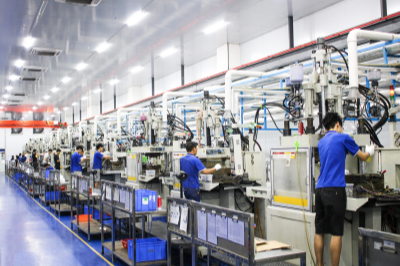
High-precision extrusion & pelletizing line – Dongguan facility
At Guangdong Yingtai High Precision Technology Co., Ltd., we operate an expansive 35,000m² modern industrial park in Changan Town, Dongguan. With over 20 years of expertise serving international clientele, our manufacturing ecosystem supports everything from raw polymer compounding to precision pelletizing and packaging.
We maintain robust quality assurance through ISO 9001:2015 certification and adhere strictly to international standards including ISO 1043 for polymer identification and ASTM D638 testing for tensile properties of our 6.6 nylon grades. Our technical team routinely audits batch consistency, moisture content, and molecular weight distribution.
Equipped with automated injection molding lines, moisture-controlled storage facilities, and optimized container loading strategies, we emphasize on-time delivery, export compliance, and customs clearance efficiency across global shipping lanes. OEM/ODM services are tailored for clients seeking co-development support or private labeling with flexibility in material formulations and packaging.
Procurement Guidance & Supplier Evaluation Tips
Navigating the 6.6 nylon supply landscape demands a combination of technical assessment and logistical due diligence. Beyond price and lead time, key evaluation criteria should include:
Material Certification: Demand detailed certificates of analysis (CoA), including ISO 1043 polymer codes, moisture content, and mechanical test results.
Process Transparency: Check if suppliers disclose drying procedures, pelletizing quality parameters, and packaging conditions.
Logistics Reliability: Verify warehouse storage conditions, container loading efficiency, and customs documentation accuracy to avoid delays and moisture damage.
OEM/ODM Capabilities: Assess whether the supplier offers customization services for compound modifications, additive integration, or private-label production.
After-Sales Support: Early defects or conformity issues need responsive technical consultation and quick replacement policies.
Practical advice: Always request a sample batch to validate molding behavior and mechanical performance before committing to large-scale orders. This can save costly surprises during downstream processing.
Frequently Asked Questions
Q1: What pre-processing should 6.6 nylon undergo before molding?
Due to its hygroscopic nature, 6.6 nylon requires thorough drying at 80-90°C for 3-4 hours to reduce moisture below 0.2%. Neglecting this leads to hydrolysis during injection molding causing brittleness and surface defects.
Q2: How does 6.6 nylon compare to 6.10 or 6.12 nylons?
While 6.6 nylon has higher melting point and tensile strength, 6.10 and 6.12 offer better moisture resistance and flexibility but lower thermal endurance. Selection depends on the application's thermal and mechanical demands.
Q3: Can 6.6 nylon be reinforced with glass fiber?
Absolutely. Fiber contents ranging from 15% to 40% improve stiffness, impact strength, and heat deflection temperature, but require specialized drying and processing parameters to avoid fiber degradation.
Q4: Typical lead times for OEM orders?
Our standard production lead varies between 20-30 days depending on volume and compound complexity. We advise early engagement to align tooling and compound formulation to exact specifications.
Q5: How to ensure consistent material quality from overseas suppliers?
It’s critical to verify ISO and ASTM certificates, audit production facilities if possible, conduct random acceptance sampling, and clarify contractual quality control measures.
Customer Reviews & Procurement Scenarios
Mike Anderson – Purchasing Manager, Auto Parts Manufacturer (Michigan, USA)
“We switched to Guangdong Yingtai’s 6.6 nylon pellets six months ago. The improved moisture control and batch traceability noticeably reduced our molding scrap rates. Delivery has consistently met agreed timelines, which helps keep our assembly line tight. The technical support was practical — not just marketing jargon.”
Get in Touch
If you have any camping barbeque equipment inquiry, please feel free to contact us.




 Mike Anderson – Purchasing Manager, Auto Parts Manufacturer (Michigan, USA)