Manufacturing excellence in milling technologies tailored for international B2B procurement — engineered for high accuracy, optimal throughput, and long-term operational reliability. Milling remains an indispensable process in manufacturing across a wide array of sectors.
Product Details
Precision Milling Solutions from Guangdong Yingtai High Precision Technology Co., Ltd.
Manufacturing excellence in milling technologies tailored for international B2B procurement — engineered for high accuracy, optimal throughput, and long-term operational reliability.
Milling remains an indispensable process in manufacturing across a wide array of sectors. Whether it’s precision component shaping, surface finishing, or bulk material removal, milling machines serve as the backbone of numerous production lines. In today’s globalized market, buyers seek milling solutions that do not just cut metal or plastic — they demand efficiency, consistent precision, and robustness tailored for complex industrial applications.
Industry Insight: Recent trends show an increasing pivot toward CNC milling with multi-axis control, supporting tighter tolerances and complex geometries demanded by automotive, aerospace, and electronics manufacturers in the US and international markets. Such capabilities reduce post-processing steps and minimize scrap rates, pivotal for procurement directors focused on ROI and operational uptime.
The milling landscape in 2024 also reflects heightened expectations around material compatibility, especially in handling difficult-to-machine alloys and composites, including titanium, Inconel, and high-performance plastics. Selecting a supplier equipped with the latest cutting tools and adaptive software control ensures adaptability in an evolving product portfolio.
Buyers should note game-changing developments in smart manufacturing integration. Industry 4.0-enabled milling machines enable real-time parameter monitoring, predictive maintenance alerts, and digital twin simulations — features that significantly limit downtime and support sustainable factory workflows.
However, challenges persist. Many operations struggle with:
Underestimating tool wear leading to part inconsistencies
Extended machine setup and changeover times
Difficulty sourcing OEM parts compatible with existing fleets
Higher-than-expected shipping and customs delays impacting production schedules
Our Yingtai milling solutions focus on solving these real-world challenges by synergizing manufacturing expertise with international trade efficiency — a combination honed through over two decades in Dongguan's manufacturing hub.
Industry Procurement Pain Points with Milling Equipment
Across numerous procurement cases, we've seen buyers caught off-guard by unseen risks:
Misalignment of specifications: Often, orders are placed without full consideration of machine capacity, spindle speeds, or tooling compatibility, leading to retrofits or costly returns.
Vendor reliability gaps: Non-transparent lead times and inconsistent communication disrupt tight production timelines.
Underestimated installation/commissioning complexity: Machinery requiring extensive onsite technical support can inflate unexpected costs and delays.
After-sale service deficiencies: Availability of replacement parts, responsive maintenance teams, and technical support impact long-term uptime.
Logistical bottlenecks: High transport costs, customs clearance hurdles, and poor packaging standards can damage sensitive milling components.
Operational advice: Prioritize suppliers who demonstrate transparent supply chains, comprehensive support packages, and intimate knowledge of frontline workshop challenges.
Yingtai Milling – Technical Edge and Competitive Advantages
Our milling equipment integrates with the Demands of Tomorrow with technology and service hand in hand:
Advanced CNC Control Systems: We deploy multi-axis Siemens and Fanuc systems enabling interpolated movements for complex 3D part profiles essential in automotive and aerospace components.
High Precision Spindle Technology: Rotational speeds up to 24,000 RPM with dynamic balancing minimize chatter and surface roughness for tighter tolerances down to ±2 microns.
Rigid Machine Structure & Vibration Dampening: Constructed from alloy steel frames with thermal compensation to maintain positional accuracy over long cycles.
Custom Tooling Integration: OEM/ODM options allow integration of customer-specified tooling systems for unique production needs including quick-change interfaces.
Smart Diagnostics & Maintenance Alerts: Embedded sensors track spindle load, temperature, and lubrication status to schedule predictive maintenance, reducing unplanned downtime.
Note: The combination of these elements enables procurement managers to unlock longer tool life, higher machine uptime, and improved throughput, directly impacting operational margins.
Technical Specification Overview
Parameter
Specification
Notes
Spindle Speed
500 - 24,000 RPM
High-speed options for precision finishing
Travel Range (X/Y/Z)
800mm / 600mm / 500mm
Standard for medium-size workpieces
Positioning Accuracy
±0.002 mm
Meets ISO 230-2 accuracy standards
Tool Magazine
24 tools (expandable)
Supports multi-stage machining without manual tool changes
Control System
Siemens 828D / Fanuc 31i
User-friendly UI with advanced features
Power Supply
220V/380V / 50-60Hz
Adaptable to different country standards
Machine Weight
2500 - 3000 kg
Stable base reduces vibration
Applications & Real-World Case Scenarios
Our milling equipment is trusted in diverse industries where precision and reliability are non-negotiable:
Automotive: Machining engine components, transmission housings, and aluminum structural parts with tight geometric tolerances.
Aerospace: High-strength alloy milling requiring vibration control and thermal compensation.
Consumer Electronics: Producing precise chassis parts and heat sinks in magnesium and plastic composites.
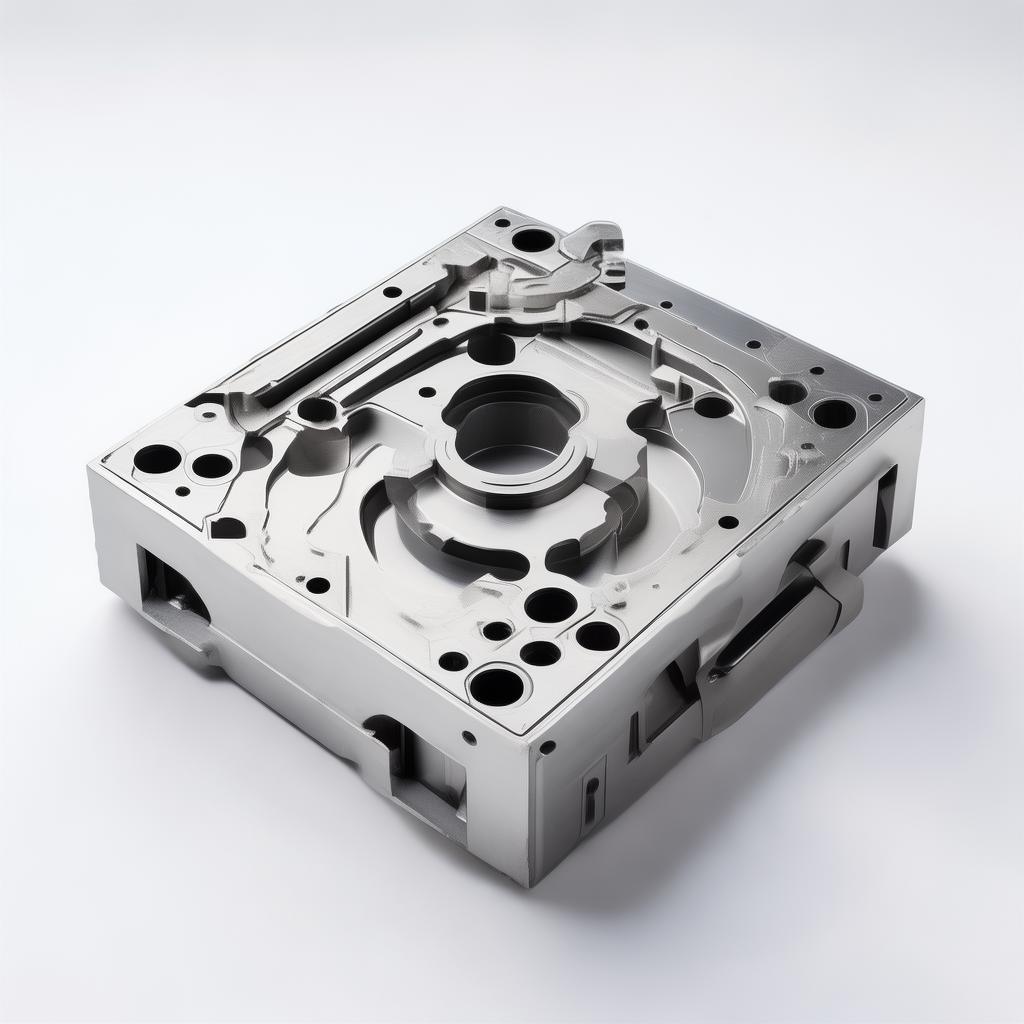
Industrial Equipment: Fabrication of pump housings, valve bodies, and hydraulic manifold blocks with complex contours.
Medical Devices: Ultra-clean milling for implantable device cases and surgical components (in line with ISO 13485 standards).
Insight from Our Engineering Team: When working with aerospace clients, we often advise on environmental controls to mitigate thermal expansion effects during machining — a factor sometimes overlooked by procurement but essential in quality assurance.
Installation & Maintenance: Practical Considerations for Seamless Integration
Installing high-precision milling machines involves more than unpacking and plugging in:
Foundation Stability: Grinding machines require vibration-isolated foundations to maintain tolerances. Site surveys prior to shipment help align expectations.
Electrical Infrastructure: Adequate, stable power supply with surge protection and grounding must be assured to avoid control system faults.
Operator Training: Our factory provides onsite or remote training delivered by field engineers experienced in both technical and safety protocols.
Lubrication & Cooling: Scheduled maintenance must prioritize spindle and guideway lubrication to prevent premature wear.
Software Updates & Backups: CNC control should be regularly updated with secure backups of machining programs to safeguard against data loss.
Buyers should allocate at least 3-5 days for initial setup and calibration. We encourage integrating predictive maintenance sensors early to extend equipment lifespan and reduce unplanned downtime.
Logistics, Shipping & Procurement Guidance
Exporting milling machines from Dongguan requires acute attention to packaging, customs documentation, and transport modes:
Machines are secured in climate-controlled crates tailored to 20ft or 40ft container dimensions. This protects precision components from moisture and shocks.
Lead time averages 30–45 days depending on model complexity and OEM customization, so early order placement is critical.
Our export documentation is fully compliant with CE and ISO certification demands, facilitating smoother customs clearance in US ports.
We assist customers with import tariff classification and liaison with freight forwarders upon request.
Tip for Procurement Directors: Consolidate orders to optimize container loading and reduce per-unit shipping costs. Our team will assist with calculating volumetric weight and cargo stacking configurations.
Frequently Asked Questions (FAQ)
Q1: What milling materials can your machines handle?
Our equipment supports a range of materials including aluminum alloys, stainless steel, titanium, engineering plastics, and composites commonly used in automotive and aerospace sectors.
Q2: What are typical machine lead times?
Standard models typically ship within 30 days, custom OEM/ODM solutions may require 45–60 days depending on tooling and control system customization.
Q3: Do you provide installation support?
Yes. Our technical team offers onsite installation and commissioning support globally, alongside operator training programs tailored to your workforce.
Q4: What after-sales services are available?
We guarantee warranty coverage for one year, technical remote support, spare part supply, and maintenance consulting for long-term operational success.
Q5: Are OEM and ODM options available?
Absolutely. We specialize in OEM/ODM manufacturing, accommodating unique tooling requirements, proprietary software integrations, and branding customization.
Voice from Our Customers
James Miller, Procurement Manager, AutoParts Inc., Detroit
“Our switch to Yingtai’s milling systems cut setup times dramatically. The machine’s rigidity and spindle accuracy translate into fewer rejects – a relief for our just-in-time manufacturing rhythm.”
Get in Touch
If you have any camping barbeque equipment inquiry, please feel free to contact us.




 James Miller, Procurement Manager, AutoParts Inc., Detroit