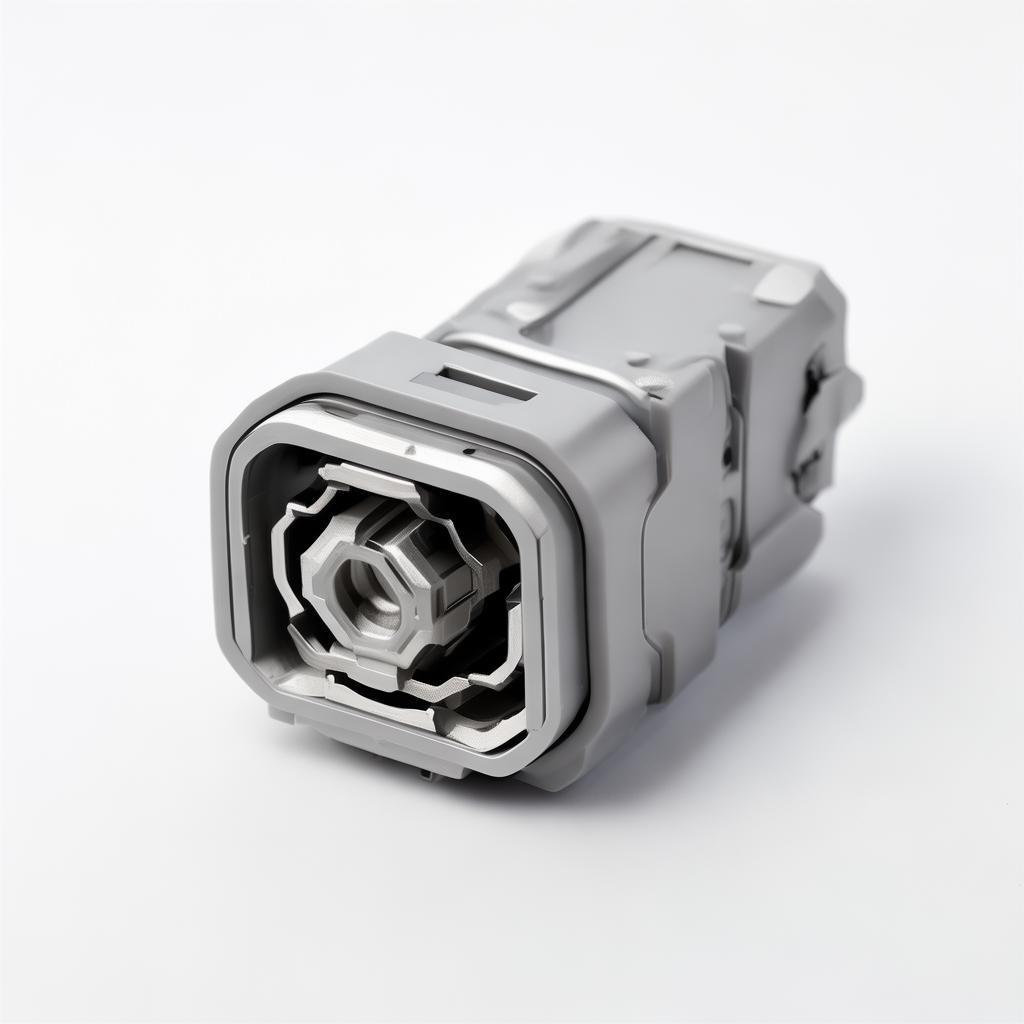
Expert Insights by Industrial Engineer Mark Becker Guangdong Yingtai High Precision Technology Co., Ltd. — Dongguan, China Aerospace manufacturing demands components that withstand extreme temperatures, pressures, and mechanical stresses — all while remaining lightweight
Product Details
Aerospace Injection Molding: Precision Solutions for High-Performance Components
Expert Insights by Industrial Engineer Mark Becker
Guangdong Yingtai High Precision Technology Co., Ltd. — Dongguan, China
Introduction: Why Aerospace Injection Molding?
Aerospace manufacturing demands components that withstand extreme temperatures, pressures, and mechanical stresses — all while remaining lightweight and reliable for long operational lifecycles. Injection molding has become a critical process in this industry, offering a high-precision method to produce complex polymer parts with minimal waste and fast cycle times.
The specialty of aerospace injection molding lies in balancing stringent technical specifications with scalable production. Materials used include high-performance thermoplastics, liquid silicone rubber (LSR), and advanced composites designed to meet industry certifications such as ISO 9001 and AS9100, ensuring every batch aligns with aerospace quality controls.
Over the last decade, global market dynamics indicated by reports from Grand View Research and Market.US highlight that the demand for liquid silicone rubber components in aerospace applications is growing steadily at an 8-9% CAGR through 2030.
Operationally, aerospace injection molding delivered via OEM/ODM partners is complex but rewarding — especially when suppliers provide end-to-end services from tooling design and rapid prototyping to final assembly. Key considerations include controlling injection pressures, mold temperatures, and curing times for LSR parts; as well as managing tolerances in structural plastics designed for seating, insulation, or seals.
In practice, aerospace OEM procurement managers must navigate challenges such as component traceability, lead-time management, and compliance audits. Selecting a manufacturing partner who understands the nuances of injection molding within aerospace contexts is non-negotiable, especially as materials evolve with innovations such as multi-shot molding of elastomers combined with stiff thermoplastic backbones.
At Guangdong Yingtai High Precision Technology Co., Ltd., we pride ourselves on a 20+ year foundation in plastic and liquid silicone molding, making us a trusted supplier for aerospace OEMs worldwide. Our suite of industrial-grade injection molding machines, supported by ISO/AS certifications and advanced testing facilities, ensures component performance meets or exceeds expectations.
Industry Pain Points & Procurement Pitfalls
Aerospace manufacturing is not without its hurdles. Procurement directors often report that injection molding suppliers can underestimate the importance of precision mold flow analysis, resulting in:
Material flash defects or porosity increasing scrap rates
Longer lead times due to mold tool redesign and test cycles
Non-compliance with certifications such as AS9100D or aerospace-grade UL94 flammability standards
Variability in mechanical properties from batch to batch
From a technical engineer’s perspective, eliminating air entrapment inside molds—especially for liquid silicone injection molding—is crucial to ensure mechanical reliability. Innovative vacuum-assisted molding techniques notably reduce defects compared with conventional methods, improving part consistency and lifecycle.
Logistics teams also emphasize the importance of packaging and container loading optimization. Aerospace parts often come with complex shapes requiring tailored crates and cushioning to prevent damage during international shipping—a growing concern as supply chains become more global but also more risk-prone.
Selecting a partner solely based on cost without confirming their material traceability, process control documentation, and quality assurance capabilities exposes procurement to delayed projects and costly rejections.
Technical Deep Dive & Process Insights
Aerospace-grade injection molding combines material science, mold engineering, and precision manufacturing workflows. Here’s a brief operational overview:
Material Selection: Polymers must meet stringent thermal stability, flame retardancy, and chemical resistance criteria. Common options include PEEK, PPS, LSR, and glass-reinforced nylon variants.
Mold Design: Complex cavities with balanced flow channels prevent uneven filling. We employ CAD/CAE simulation tools incorporating rheological models to predict fill and curing kinetics in LSR molding, as supported by recent MDPI studies.
Injection Process: Critical parameters such as injection speed, holding pressure, mold temperature, and curing duration are tightly controlled to guarantee dimensional accuracy and consistent mechanical properties.
Multi-Component Overmolding: Integrating rigid plastics with soft silicone elastomers expands design freedom and enhances functional integration—ideal for aerospace sealing, vibration damping, and ergonomic components.
Quality Inspection: Inline metrology including coordinate measuring machines (CMM) and thermal imaging ensures batch conformity before shipment.
Practical advice from our production manager: Always verify if your supplier uses dedicated aerospace molds rather than repurposed or general-use tooling. The upfront tooling investment pays off in lower cycle times and reduced scrap across large production runs.
Material Comparison & Product Advantages
Material
Key Properties
Common Aerospace Uses
Certifications & Standards
Liquid Silicone Rubber (LSR)
Excellent thermal stability, biocompatible, UV & chemical resistant, superior elasticity
Supports tight tolerances (~±0.1mm), minimal shrinkage
Note: While LSR’s appeal in aerospace injection molding has surged, particularly for precision sealing and soft components, integrating it with high-temperature plastics optimizes overall system performance. This multi-material design is a growing trend, endorsed by research from MDPI Polymers.
Typical Aerospace Applications
Injection molded parts in aerospace serve a range of demanding environments:
Cabin and cockpit assemblies, including control panels and seals
Engine components requiring heat-resistant polymer parts
Fuel and hydraulic sealing systems using LSR-based gaskets
Structural fasteners and insulators with PEEK or PPS composites
Vibration & noise reduction elements for landing gear and body panels
Consumer-facing comfort parts, such as armrests and control knobs
Deploying injection molding for these parts improves consistency and scalability while supporting compliance with aerospace safety and durability standards.
Our Factory Capabilities & Certifications
Situated in Dongguan's industrial hub, Guangdong Yingtai High Precision Technology Co., Ltd. offers:
55 liquid silicone injection molding machines and 80 automatic plastic injection machines ranging from precise micro parts to large structural components.
20 hydraulic presses for solid silicone molding ensuring high-volume efficiency.
Over 30 CNC mold processing units guaranteeing dimensional accuracy and surface finish.
Advanced quality labs with testing instruments including CMM systems, spectral analyzers, and mechanical testers.
Certifications: plus strict compliance with AS9100D aerospace standards.
A professional workforce exceeding 500 skilled personnel, including engineers, quality assurance specialists, and export directors.
Our integrated production chain—from design and mold development through to assembly and shipping—reduces lead time and optimizes supply chain control. We support customization for OEM aerospace parts, ready to aid clients with design for manufacturability reviews and on-demand prototyping services.
Buyer’s Guide & Procurement Tips
For procurement teams sourcing aerospace injection molded components, a few practical suggestions:
Validate supplier certifications. Ensure adherence to aerospace standards such as AS9100D and material compliance documentation.
Request sample parts and full production specs. Confirm dimensions, weight, and material datasheets before entering larger agreements.
Clarify lead times and mold development timelines. Injection molds for aerospace components often need iterative testing, so buffer your schedules accordingly.
Ask about volumetric and batch traceability. This is critical for warranty, repair, and upgrade cycles.
Consider multi-component molding options. Combining LSR with rigid thermoplastics can reduce assembly costs down the line.
Discuss logistics and packaging details upfront. Aerospace parts often have strict damage tolerances during transit.
Remember, a supplier with robust technical support and whom you can consult early in design phases greatly reduces risk and accelerates time-to-market.
Q: What materials are best suited for aerospace injection molding?
A: High-performance polymers such as PEEK, PPS, and LSR are preferred due to their thermal, mechanical, and chemical resistance. Material choice depends on specific component requirements, including contact with fluids, temperature exposure, and mechanical loads.
Q: How long does mold development usually take for aerospace parts?
A: Typical mold design and prototyping ranges from 6 to 12 weeks due to precision requirements. Complex multi-component molds may take longer, but investing time here reduces costly trial-and-error later.
Q: Can you handle small batch runs and custom prototypes?
A: Yes, our factory supports low-volume pilot runs and rapid prototyping with tooling flexibility, leveraging advanced CNC machining and mold adjustment to serve R&D customers efficiently before mass production.
Q: How do you ensure quality and traceability?
A: We implement batch tracking, comprehensive inspection protocols, and maintain production logs, fulfilling the traceability requirements dictated by aerospace clients and regulatory bodies.
Customer Feedback & Reviews
Nora Jensen Procurement Manager, AeroLink USA
"Working with Yingtai for our LSR seals was a turning point. Their understanding of material nuances and mold precision helped us reduce rejects substantially. Delivery lead times stayed consistent even under ramped production."
Get in Touch
If you have any camping barbeque equipment inquiry, please feel free to contact us.



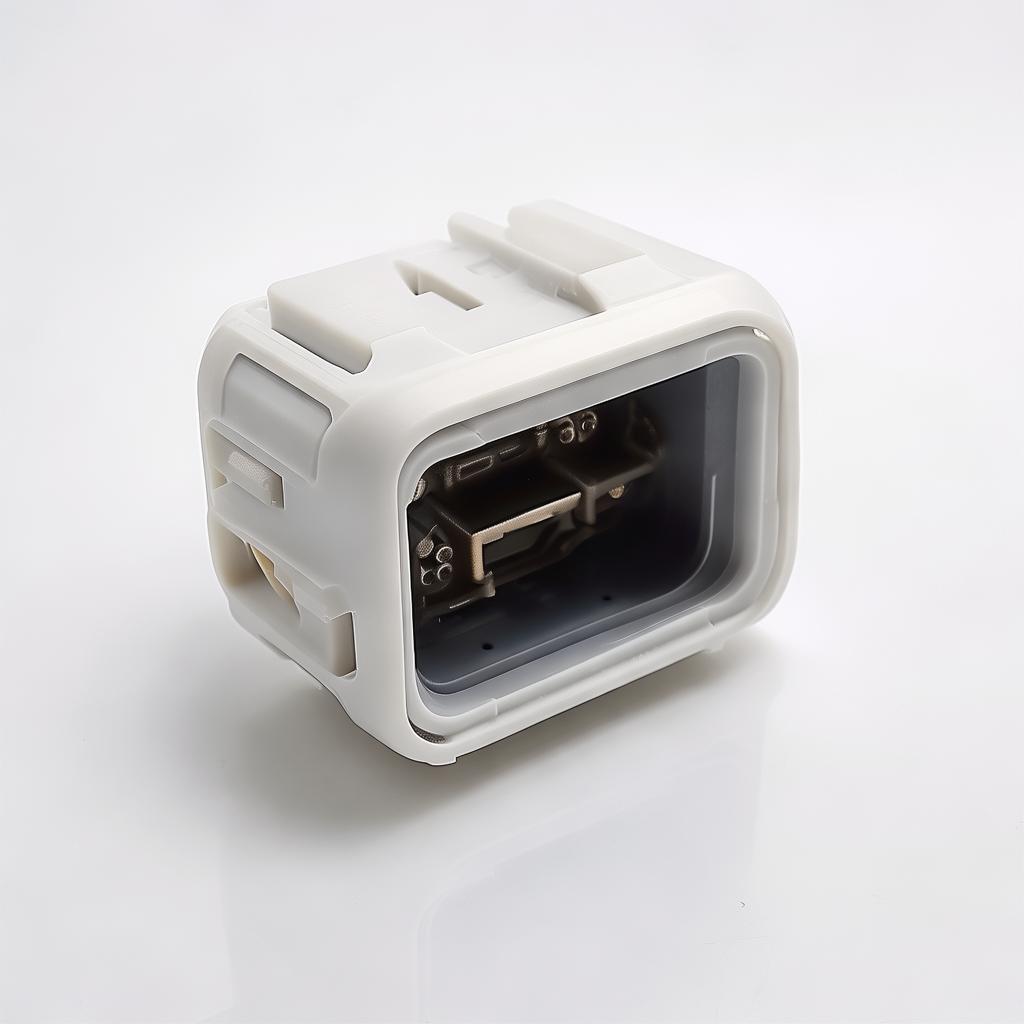
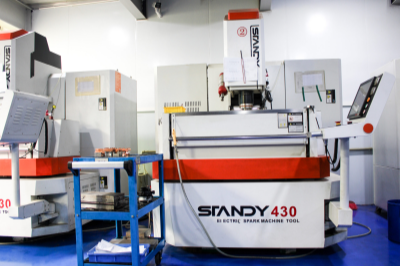 55 liquid silicone injection molding machines and 80 automatic plastic injection machines ranging from precise micro parts to large structural components.


 plus strict compliance with AS9100D aerospace standards.