When it comes to connecting parts swiftly and securely in industrial manufacturing, annular snap joints represent an engineering hallmark. These circular locking mechanisms provide efficient assembly, reliable retention forces, and adaptability across sectors —
Product Details
Annular Snap Joints: Precision in Motion for Industrial Assembly
When it comes to connecting parts swiftly and securely in industrial manufacturing, annular snap joints represent an engineering hallmark. These circular locking mechanisms provide efficient assembly, reliable retention forces, and adaptability across sectors — from automotive components and consumer electronics to advanced wearable technologies. Yet, sourcing quality snap joints and understanding their technical nuances often remain roadblocks for many procurement managers and engineers driving assembly line performance.
Speed and reliability define today's manufacturing throughput goals, yet assembly line managers grapple with frequent joint failures, complicated part alignments, and costly reworks. Mechanical fasteners like screws add weight, require tools, and may risk stripping or corrosion in harsh environments. Welding or adhesives, although permanent, introduce process delays and limit disassembly options.
Annular snap joints provide a balancing act: tool-free assembly combined with secure retention, enabling semi-permanent connections that are resilient against vibration, temperature shifts, and mechanical stress. Their snap-fit action speeds installation and reduces labor needs—an operational advantage in volume production.
Eliminate extra hardware: Integrate fastening into component design, reducing part counts and inventory complexity.
Minimize assembly errors: The self-aligning nature guides components, cutting misfits and scrap rates.
Support disassembly when needed: Allow maintenance or recycling without damaging parts.
But not all annular snap joints are created equal—design details, manufacturing precision, and material engineering govern their real-world performance. Let's unpack the technical backbone enabling these joints to meet demanding industrial needs.
Technical Profile of Annular Snap Joints
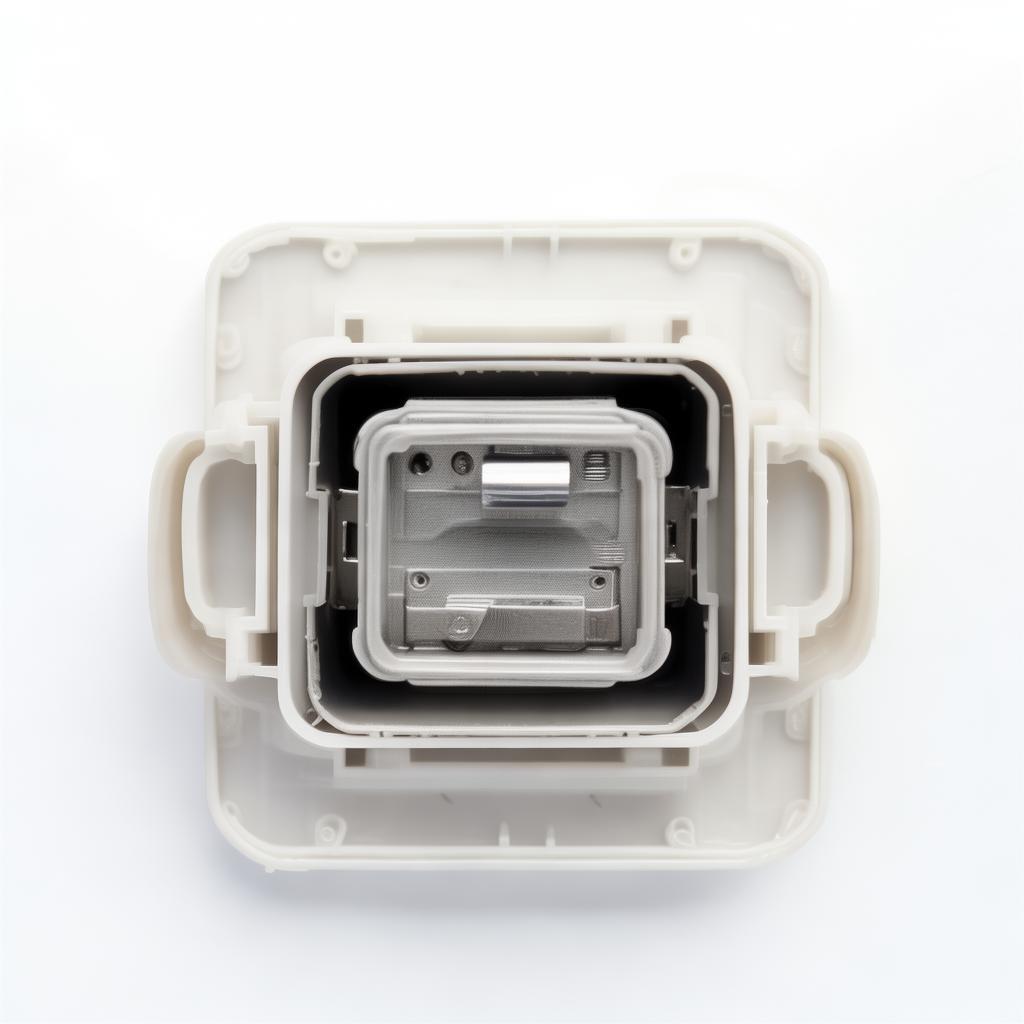
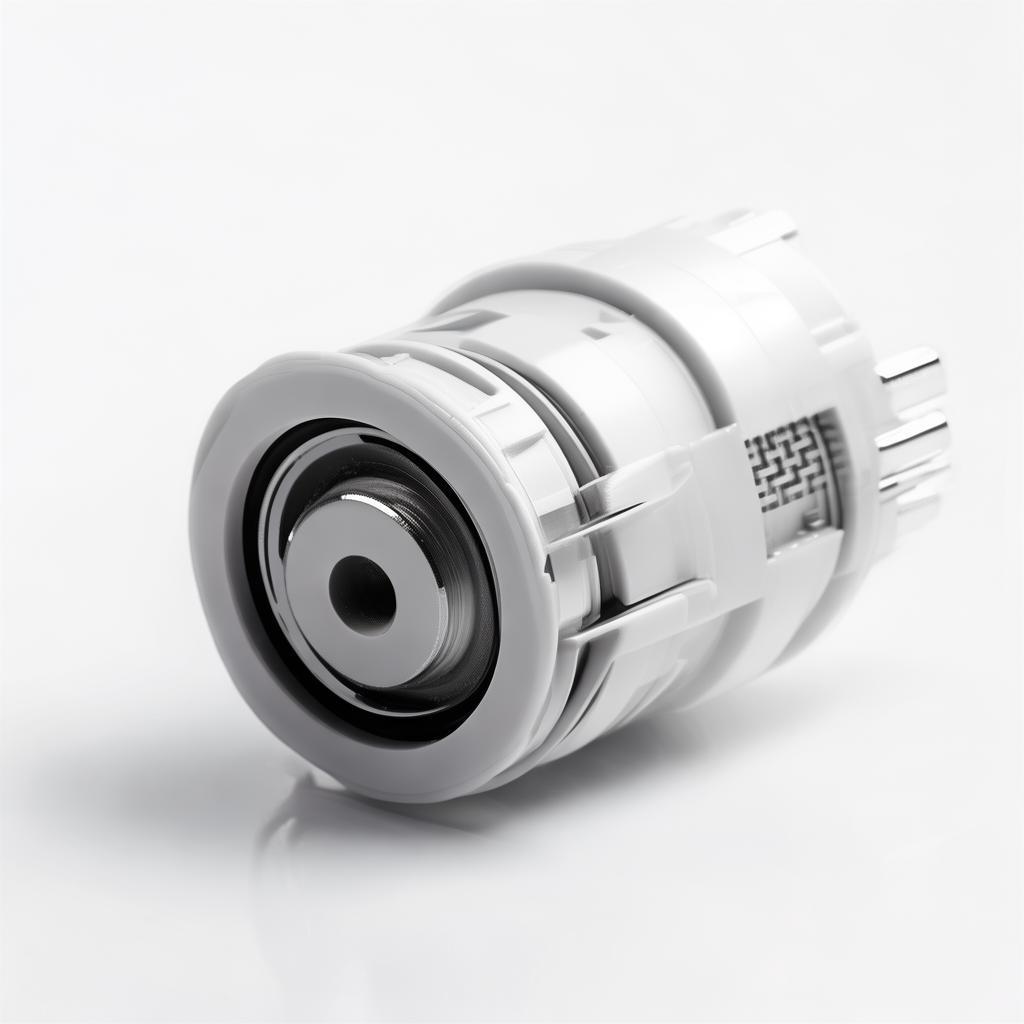
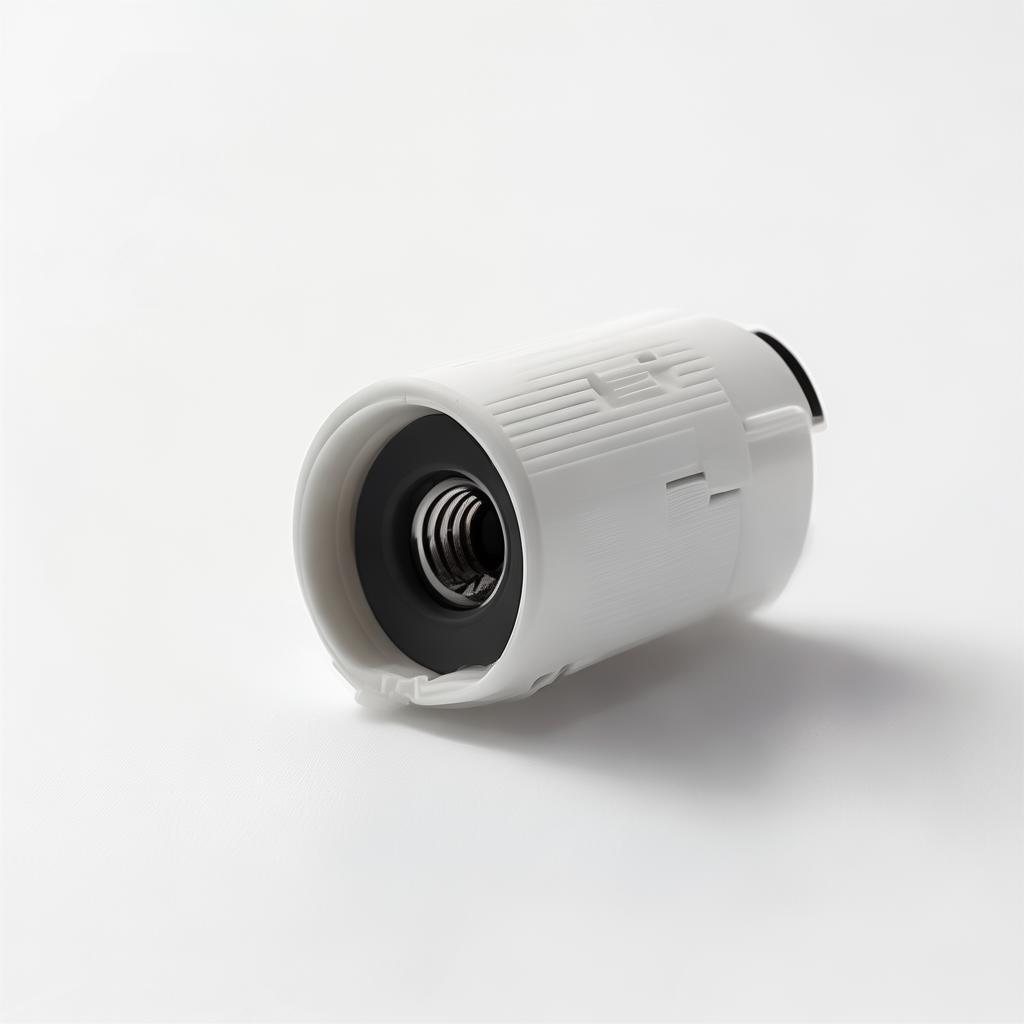
An annular snap joint typically consists of an interference ring feature—shaped with precise tapering angles and circumferential ribs—that engages with matching grooves or shoulders on a mating component. The geometry controls insertion and retention forces, balancing ease of assembly against secure locking.
From an engineering standpoint, key parameters include:
Snap ring diameter tolerances: Critical for consistent fit and holding strength.
Material hardness and elasticity: Affect deformation behavior during snap-in and long-term creep.
Surface finishes: Influence friction, wear, and assembly force requirements.
Design stroke and snap-in force: Tuned for optimal balance depending on application load profiles.
Most standard designs rely on cold-formed stainless steel or engineering thermoplastics (like POM or polyamide), selected for toughness and resilience. Advanced applications call for precision stamping or injection molding processes with CNC-controlled tooling to ensure minimal dimensional variance.
Note: Temperature fluctuations during operation can affect the long-term elasticity of snap joints, particularly those molded in thermoplastics. Stainless variants offer improved durability for more exposed industrial environments.
Material Choices & Performance Considerations
Choosing the right material is more than ticking boxes on mechanical specs. It reflects operational realities such as chemical exposure, UV resistance, and expected fatigue cycles. In fact, the evolution of annular snap joints correlates strongly with advances in liquid silicone rubber (LSR) and engineering plastics like PBT and polycarbonate blends, as detailed in the Liquid Silicone Rubber Market Size Report, 2030 from Grandview Research.
Stainless Steel 301 remains the go-to metal for strength and corrosion resistance, favored in automotive and aerospace assemblies. However, for lightweight consumer electronics or household appliances, thermoplastic versions offer excellent dimensional stability, simplified production by injection molding, and inherent dampening to reduce vibration noise.
Liquid Silicone Rubber (LSR) options: Increasingly integrated for overmolded flexible snap joints with exceptional weathering resistance, per findings shared in the Silicone Injection Molding Market Trends reports.
Thermoplastic Elastomers (TPE): Provide moderate flexibility plus easier recyclability but at reduced load capacity.
Composite materials: Emerging solutions combining fiber reinforcement within polymer matrices to enhance fatigue life.
A procurement insight: For applications exposed to fuel, oils, or saline environments, confirm material compliance with standards like ISO 868 (for hardness) and chemical resistance charts. Material certification from suppliers, including REACH and RoHS, can safeguard against regulatory risks.
Manufacturing & Quality Assurance at Yingtai
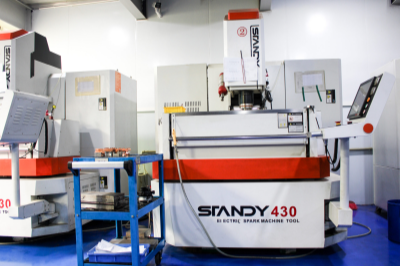
Precision injection and stamping lines at Guangdong Yingtai High Precision Technology Co., Ltd.
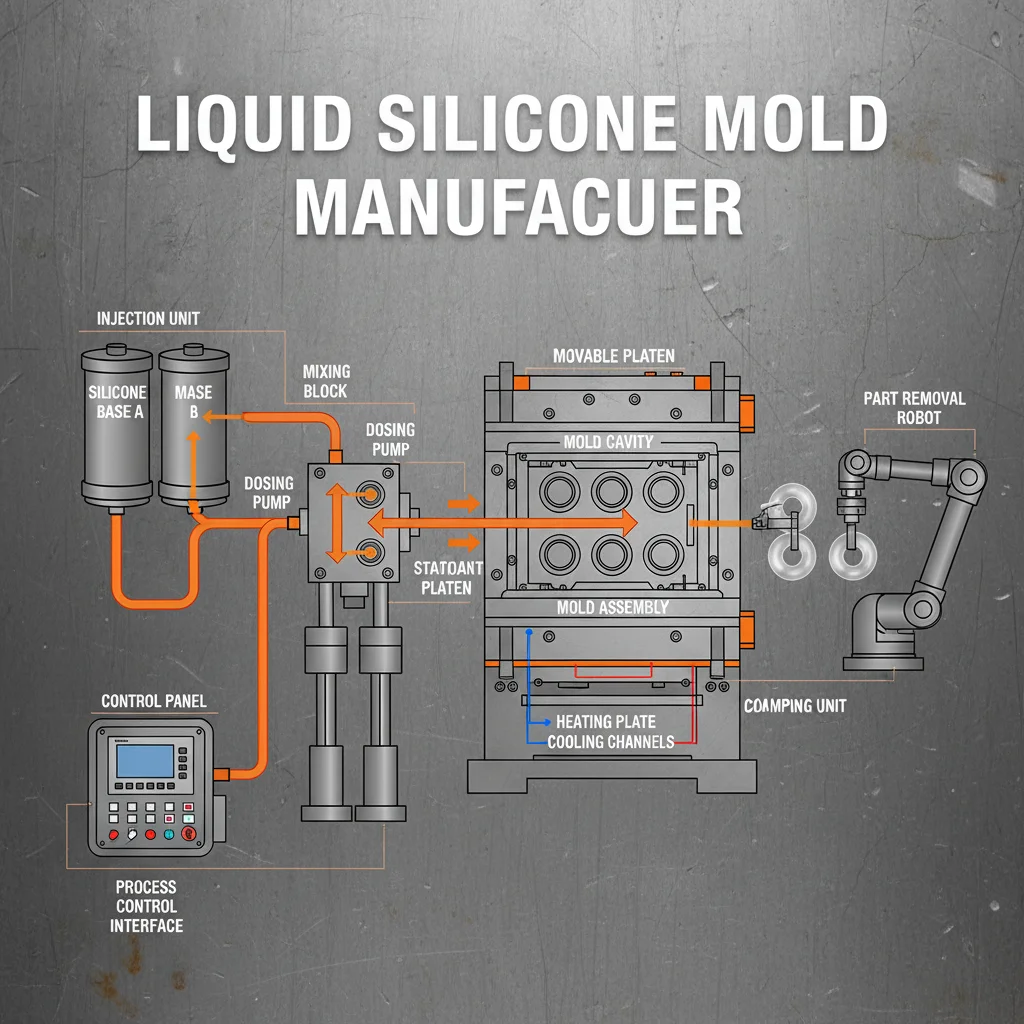
With over 20 years’ expertise in precision molding and sealing technologies, Guangdong Yingtai High Precision Technology Co., Ltd. offers full-spectrum manufacturing—from CNC mold development to automated injection and overmolding processes. Their facilities employ 55 liquid silicone molding machines, 80+ automatic plastic injection presses, and 30+ precision processing units.
Operational insights from our export director highlight how integrating mold calibration with production monitoring systems drastically reduces defect rates for snap joints — something echoed in industry research around CAE simulation methodologies (see the MDPI Polymer Study). Continuous tool maintenance, supported by on-site testing instruments, ensures stable dimensional accuracy within ±0.01 mm tolerance.
Certifications held by Yingtai include ISO 9001 for quality management and CE compliance for European markets. This certified approach translates into consistent commercial-grade snap joints that perform under dynamic load and thermal cycles.
Procurement Note: Evaluate suppliers offering integrated root cause analysis for defects alongside flexible OEM/ODM options. Early supplier collaboration in design refinement minimizes tooling rework and shortens lead times.
Assembly practitioners should expect snap joints to simplify workflows but pay attention to certain subtleties that impact shelf and field life performance. Excessive insertion force can distort ring geometry or cause premature material fatigue, especially in thermoplastic joints.
Verify component tolerances before assembly to prevent overstressing.
Use controlled mechanical presses or calibrated hand tools rather than hammer taps to reduce impact damage.
For LSR-overmolded snap joints, ambient temperatures during installation should be within the recommended range (typically 18–28°C) to prevent excessive material stiffness or softness.
Routine inspection for deformation or visible wear extends service intervals.
It's common for assembly lines installing annular snap joints in automotive interiors or consumer electronics enclosures to observe reduced installation times by 15–25%, compared to traditional fasteners, while delivering similar holding reliability.
Procurement & Logistics Strategies for Optimal TCO
Ordering snap joints in bulk requires strategic coordination. Their compact form factor typically allows high container-loading efficiency. Still, attention to packaging ergonomics and protective cushioning is key to avoiding deformation during transit.
Buyers aiming to reduce landed costs should consider:
Consolidating orders with complementary products (e.g., seals, gaskets) from the same supplier to optimize container utilization.
Requesting supplier logistics plans that include FOB and DAP options for flexibility.
Assessing factory lead times thoroughly, since customization and mold development add weeks but can be accelerated with modular tooling.
Utilizing Yingtai’s direct supply chain can cut typical lead times from 30–45 days down to 20–28 days depending on order scale.
Trade Tip: Always request sample kits pre-production. This practical step preserves your quality benchmarks before committing to large batch orders.
Buyer FAQs: Navigate Your Snap Joint Sourcing Questions
What factors influence snap joint retention forces?
Primarily, ring diameter tolerances, material elasticity, and surface finish dictate the holding strength. Environmental factors like temperature and chemical exposure also affect performance.
Can snap joints be customized for specific load requirements?
Yes. Adjustments in geometry, material grade, and surface treatments are common. Guangdong Yingtai offers OEM/ODM services enabling tailored designs matched to application stresses and environmental factors.
How do I determine the best material for my application?
Consider operational temperature, chemical exposure, mechanical loads, and regulatory compliance. Consult product datasheets along with your supplier’s engineering team for material recommendations based on your industry standards.
What certifications should I verify?
Look for ISO 9001:2015 for manufacturing quality. CE compliance is important for European use, while REACH/RoHS cover chemical safety. In medical or food contact cases, FDA adherence may be required.
How can overmolding improve snap joint performance?
Overmolding with liquid silicone rubber or TPE enhances sealing, vibration damping, and corrosion resistance. It’s ideal for complex assemblies requiring multi-material interactions, especially in medical and wearable electronics sectors.
Customer Reviews & Practical Benefits
John Miller Procurement Director, Midwest Automation Inc.
"Partnering with Yingtai for annular snap joints simplified our assembly process significantly. We noted a clear drop in rework caused by connection failures. The supplier's detailed specs and quick sampling process helped avoid costly delays."
Get in Touch
If you have any camping barbeque equipment inquiry, please feel free to contact us.