Demystifying ANSI 61 Certified Rubber Products: What Every Procurement Professional Should Know
The term ANSI 61 certified rubber products often comes up in engineering meetings and purchase requisitions dealing with water system components and other fluid-handling applications. But what precisely does this certification guarantee — and why has it become a must-have in certain sectors like municipal water treatment, plumbing, and industrial sealing?
ANSI/NSF 61 Certification is a benchmark confirming that rubber materials and compounds used in manufacturing meet strict health standards for drinking water system components. It addresses critical concerns about leaching, chemical stability, and mechanical durability under typical service conditions. In essence, it safeguards system operators and end-users from exposure to harmful substances that could compromise water safety or cause premature equipment failure.
For purchasing managers and operations specialists, recognizing the value of ANSI 61 compliant rubber isn’t just a box-ticking exercise. It translates directly to reduced risk of regulatory non-compliance, improved lifecycle performance, and minimized maintenance calls — benefits that really matter when system downtime or contamination incidents carry significant financial and reputational consequences.
Today's specialized rubber products, when certified to this standard, signify a blend of technical rigor and material science expertise. Compounds typically involve high-quality synthetic elastomers, including EPDM (ethylene propylene diene monomer), NBR (nitrile butadiene rubber), or silicone blends that are tested to withstand aggressive water chemistries, temperature variations, and mechanical stress without degradation or degradation by-products.
China remains a leading exporter and manufacturer of ANSI 61 certified rubber components, with factories integrating precision injection molding, compounding, and automated testing regimes to uphold consistent quality. Guangdong Yingtai High Precision Technology Co., Ltd., for example, highlights its 20+ years of manufacturing experience, advanced molding equipment, ISO quality systems, and export expertise to serve demanding international buyers who require traceable compliance and predictable supply chains.
From gasket seals used in potable water valves, leakage prevention rings in irrigation systems, to flexible connectors in municipal pipelines, understanding the scope and limits of ANSI 61 compliance is increasingly a prerequisite for effective procurement and risk management. Not all rubber compounds are equal — and the certification helps demarcate the reliable from the risky, especially when bulk purchasing involves complex logistics, varying customs requirements, and post-delivery quality control.
Given ongoing global emphasis on sustainable water infrastructure and tighter safety regulations, demand for ANSI 61 certified products is expected to grow steadily. Suppliers investing in compliant raw materials, rigorous batch testing, and transparent documentation provide a competitive edge. Additionally, the rise of OEM and ODM partnerships means buyers can access tailored rubber solutions that meet ANSI 61 criteria while fitting unique product designs and operational workflows.
Understanding certification nuances and operational implications helps reduce costly recalls and installation delays. It’s why procurement professionals should work closely with manufacturers offering transparent test reports, consistent batch traceability, and responsive technical support.
In the following sections, we’ll explore common industry pain points, technical standards, application insights, supplier evaluation tips, and relevant FAQs to equip you with actionable knowledge for sourcing ANSI 61 compliant rubber products that meet both performance and regulatory demands.
Operational Advantages of ANSI 61 Certified Rubber Products
Over the years, procurement specialists and technical managers worldwide have tracked the tangible benefits of specifying rubber components verified under ANSI 61 standards:
- Guaranteed Material Safety: Protects system users by ensuring elastomers do not introduce harmful substances.
- Consistent Sealing Performance: Certified compounds undergo strict physical testing, reducing field failures and leaks.
- Regulatory Compliance: Simplifies project approvals and avoids costly product rejections during inspections.
- Extended Service Life: Materials are engineered for stability against chlorination, temperature fluctuations, and mechanical wear.
- Traceable Quality: Batch-level traceability supports root cause analysis if issues arise, facilitating quicker resolutions.
Such benefits result in measurable operational savings — fewer emergency maintenance calls, reduced water loss through seal failures, and improved system reliability.
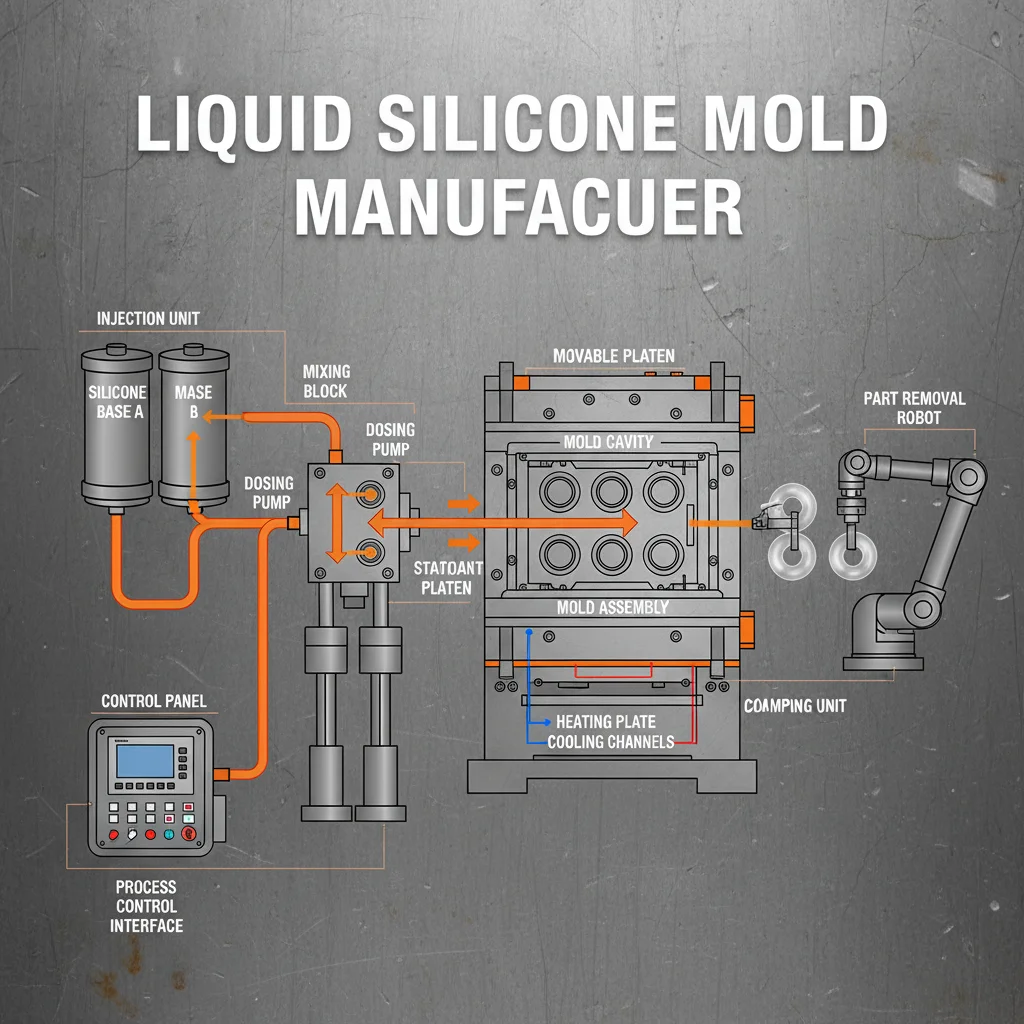
At Guangdong Yingtai High Precision Technology Co., Ltd., advanced manufacturing processes such as liquid silicone injection molding and precision extrusion enhance these benefits by delivering tight dimensional tolerances and uniform hardness. These factors are critical in industrial OEM scenarios requiring repeatable component interchangeability and excellent resistance to compression set.
Practical Procurement Guidance & Supplier Evaluation
Buying ANSI 61 certified rubber products is rarely a simple checkbox. Successful sourcing depends on vigilance and clear technical communication:
- Request Up-to-Date Certification: Obtain recent test certificates with batch numbers matching shipments.
- Inspect Manufacturer Capabilities: Confirm the factory has liquid silicone injection molding machines, precision tooling, and robust QC systems.
- Clarify Material Grades: Specify elastomer type (EPDM, NBR, silicone), Shore hardness, and color requirements aligned with your technical drawings.
- Sample Evaluation: Ask for free samples to validate dimensions, compression set, and sealing performance onsite or via third-party labs.
- Lead Time & Logistics: Discuss shipping options—FCL container loading optimization helps reduce freight costs and transit damage.
- OEM/ODM Customization: Engage suppliers capable of tooling development and material formulation adjustments for project-specific needs.
Being mindful of these factors helps avoid common procurement mistakes such as accepting uncertified products, ignoring supplier traceability, or underestimating lead times for tooling and batch manufacturing.
At Yingtai, our professional export team supports buyers with feasibility studies, tooling advice, and after-sale technical support, ensuring you get more than just parts — a partner in your supply chain.




 David L., Procurement Manager, Midwest Water Systems