

Mastering the APQP & PPAP Process: A Practical Guide for Industrial Procurement Professionals
Navigating modern manufacturing requires more than just components — it demands process assurance. Advanced Product Quality Planning (APQP) and Production Part Approval Process (PPAP) are the bedrock for successful supplier validation in automotive, electronics, and precision manufacturing. This guide provides a deep dive on these frameworks from operational and procurement perspectives.
Introduction: Why APQP and PPAP Matter in Global Manufacturing
Every seasoned procurement manager knows that securing quality components means more than getting competitive pricing or lead-time guarantees. Establishing a robust quality planning system often makes or breaks complex supply chains, especially those tied to automotive, aerospace, medical devices, and high-precision electronics manufacturing. This is where APQP (Advanced Product Quality Planning) and PPAP (Production Part Approval Process) enter the frame as standardized methodologies recognized globally for systematic quality assurance.
Designed initially by automotive giants like Ford, Chrysler, and GM, these processes harmonize expectations between OEMs and suppliers — addressing design, development, production readiness, and continuous improvement. In practical terms, they serve as essential checkpoints along the procurement journey to minimize surprises post-purchase, prevent costly rework, and safeguard brand reputation. Adopting APQP and PPAP within supplier collaboration has become a benchmark in international B2B trade.
Consider these key industry realities:
- Complexity drives standardization: Components now involve multiple sub-suppliers, advanced materials (like LSR, high-grade plastics), and tight tolerances.
- Risk of late-stage defects: Without structured validation, errors in design or process can result in late recalls, delayed production, or customer dissatisfaction.
- Compliance with global standards: ISO/TS 16949 and IATF 16949 certifications often enforce APQP/PPAP adherence, critical for automotive supply chains.
- Procurement requires data-driven decisions: Material certifications, sampling documentation, and process capability indices feed into supplier qualification and buying decisions.
Before diving deeper, it's worth noting: APQP and PPAP are not mere box-ticking exercises. When executed thoroughly, they become powerful tools reducing production variability and improving cross-border supplier communication. Their value reaches beyond automotive, now gaining traction in consumer electronics, medical devices, and industrial equipment manufacturing worldwide.
Operational insight: from my years overseeing supplier onboarding, the ability to interpret and challenge PPAP submission packages often separates high-performing suppliers from those prone to later quality holds or shipment delays.
Industry Pain Points Addressed by APQP & PPAP
Managing quality in international supply chains involves numerous challenges. Here's a snapshot of the most common issues procurement and operations teams face — and how APQP and PPAP help solve them:
- Unclear Supplier Readiness: It’s difficult to gauge if your supplier is truly capable of meeting volume, quality, and delivery specs without structured validation documentation.
- Late Discovery of Design Flaws: Without early product quality planning, fundamental design issues cause expensive production stoppages.
- Inconsistent Material/Process Parameters: Variability in materials (e.g., different LSR grades or plastic resins) often leads to non-conforming parts.
- Poor Communication Across Borders: Time zone differences, language barriers, and cultural nuances make expectation alignment tough — APQP timelines and PPAP submissions clarify expectations.
- Documentation Gaps: Comprehensive records like Design Failure Mode and Effects Analysis (DFMEA), Control Plans, and Process Flow Diagrams are often incomplete, hindering root cause analysis when issues arise.
- Quality Deviations During Ramp-Up: Early production runs can drift without effective process control or measurement system analysis.
Takeaway: Integrating APQP and PPAP methodologies into your supplier qualification processes mitigates these risks by enforcing disciplined, collaborative quality planning before production even starts.
Technical Deep Dive: The APQP & PPAP Phases Demystified
Understanding the structured components of APQP and PPAP helps procurement professionals grasp supplier capabilities and accelerate issue resolution. Here’s a practical breakdown:
1. APQP: Advanced Product Quality Planning
APQP outlines five major phases ensuring product and process readiness.
- Phase 1 – Plan and Define Program: Identify customer requirements, preliminary risk assessments, and feasibility.
- Phase 2 – Product Design and Development: Establish design FMEAs, prototypes validation, and engineering verification.
- Phase 3 – Process Design and Development: Focus on process flow charts, PFMEA creation, control plans, and measurement system analysis (MSA).
- Phase 4 – Product and Process Validation: Validate production capability, pre-launch controls, initial sample runs.
- Phase 5 – Feedback, Assessment and Corrective Action: Post-production monitoring and continuous improvement.
2. PPAP: Production Part Approval Process
PPAP verifies that the supplier’s production process consistently produces parts meeting customer specs before mass production. Key requirements include:
- PSW (Part Submission Warrant): Formal supplier declaration covering scope and compliance.
- Design Documentation: Drawings, specifications, and engineering change notices (ECNs).
- Engineering Approval Records: DFMEAs, Control Plans, and Process Flow Diagrams.
- Measurement Systems Analysis: Gauge R&R reports that verify measurement consistency.
- Initial Sample Inspection Report (ISIR): Inspection data confirming dimensional conformance.
- Material Test Results: Chemical, physical, and functional tests — especially critical when materials like liquid silicone rubber (LSR) or specialty polymers are involved.
- Packaging Approval: Ensures parts are protected during logistics.
- Sample Production Run: Trial production parts demonstrating process stability prior to release.
PPAP Submission Levels Explained
| Level | Submission Type | Typical Use Case |
|---|---|---|
| Level 1 | Part Submission Warrant (PSW) Only | Low-risk parts, minor changes |
| Level 2 | PSW with product samples & limited supporting data | Medium complexity, new suppliers |
| Level 3 | Complete submission including all records & samples | High-risk parts, critical safety or regulatory applications |
| Level 4 | Customer-specific documentation requirements | Special projects or pilot runs |
| Level 5 | Production parts with production tooling, inspection at supplier | Ongoing process monitoring for mass production |
Application Scenarios: Where APQP and PPAP Make the Difference
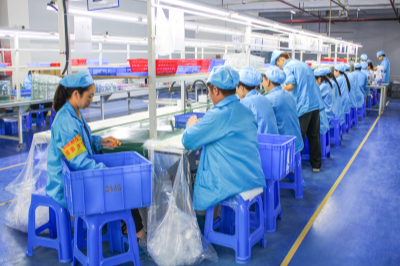
Our factory specializes in liquid silicone rubber (LSR) molding and overmolding, serving industries where quality control is non-negotiable. Here are typical environments where rigorous APQP and PPAP compliance accelerates procurement confidence and mitigates risks:
- Automotive Powertrain Seals and Gaskets: Must meet stringent dimensional tolerances and withstand temperature extremes. APQP ensures complete FMEA and control plan coverage; PPAP certifies tooling capability and batch consistency.
- Consumer Electronics Components: High-volume plastic injection components with overmolded seals require early design validation and dimensional data for assembly integration.
- Medical Device Parts: Biocompatible materials like medical-grade LSR demand strict material certification, batch traceability and validation through PPAP submission.
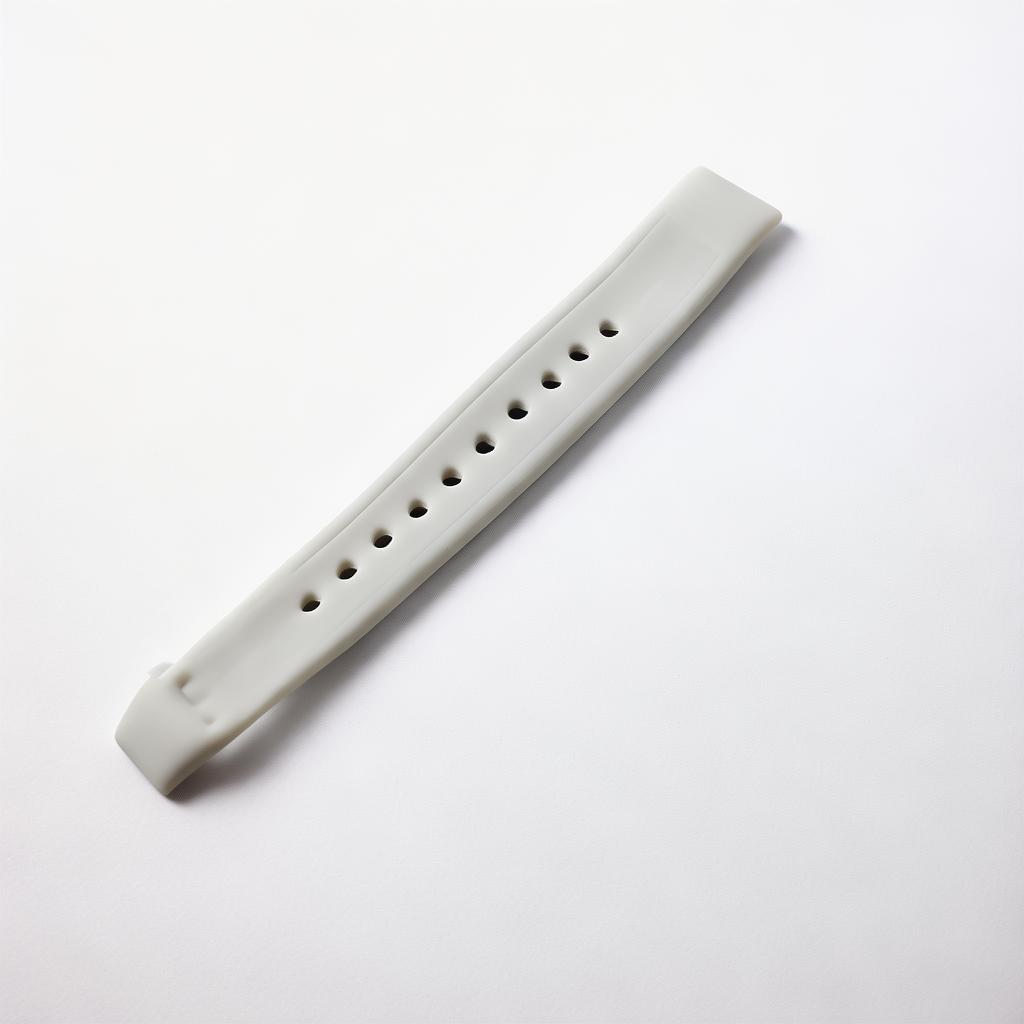
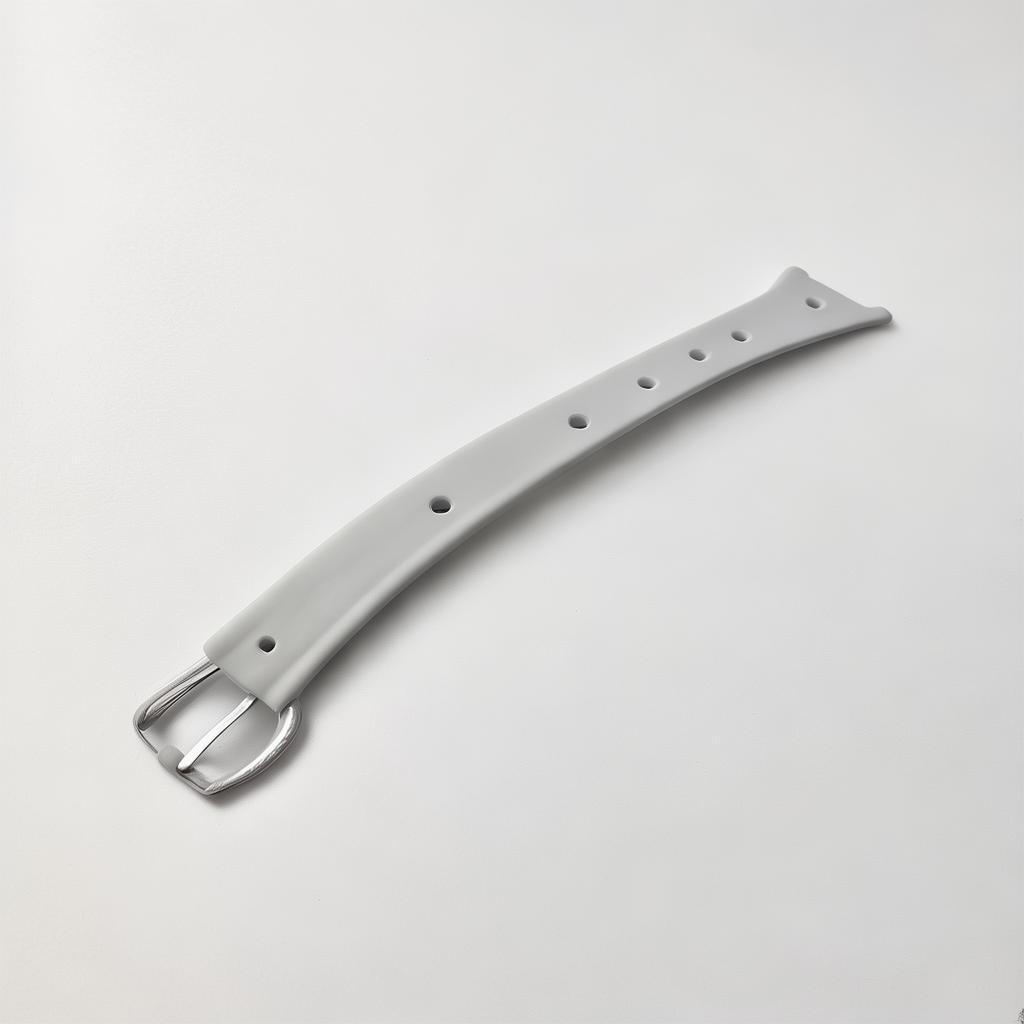
- Wearable Technology Housings: Overmolding soft silicone on rigid plastics for tactile interfaces requires precise process control documented by APQP methods.
- Aerospace and Industrial Equipment: Custom silicone parts and seal assemblies must pass rigorous environmental tests, with PPAP evidencing process reliability.
Note: When integrating suppliers from Asia-Pacific regions, detailed APQP scheduling aligned with IATF 16949 and packaging specs streamlines customs clearance and logistics readiness. Being proactive on PPAP expectations pays off in reduced customs hold-ups and faster time-to-market.
Procurement Guidance & Supplier Evaluation Tips for APQP & PPAP
From a buyer and procurement advisor standpoint, evaluating a supplier’s APQP and PPAP capabilities involves more than reviewing folders of documentation. Here are some practical insights:
- Review Process Maturity, not Just Paper: Ask suppliers about their real-world experience with APQP deliverables — FMEAs updated periodically, control plan adherence, and reaction to nonconformances.
- Check Material Certifications & Traceability: For materials like liquid silicone rubber (LSR) or specialty thermoplastics, confirm raw material certificates (e.g., FDA, RoHS, ISO 10993). Reject submissions missing batch data or testing reports.
- Validate Measurement Systems Early: Gauge R&R studies prove the supplier’s ability to detect issues before parts leave the factory. Low measurement variation is essential for high-quality injection molding.
- Beware of “Minimal” PPAP Submissions: Level 1 submissions or incomplete packages often indicate risks. For critical components, insist on Level 3 or above, especially if safety or functionality is involved.
- Include Cross-Functional Teams in Review: Engineering, quality, and logistics should assess APQP/PPAP packages. This holistic approach helps capture risks beyond dimensional data, such as packaging or process stability.
- Align on Timeframes and Revision Cycles: PPAP submissions may require several iterations — set clear expectations on deliverable timing to avoid surprises during ramp-up.
Operational warning: insufficient APQP/PPAP diligence often costs weeks — or worse — during escalation and corrective actions. Early supplier collaboration on these QMS pillars is critical.
Buyer FAQs: APQP and PPAP Process
- Q1: How long does the PPAP submission process typically take for a new supplier?
- Usually, 4 to 8 weeks depending on part complexity and sampling requirements. This time includes initial sample production, measurement system analysis, and documentation review.
- Q2: Are APQP and PPAP only required for automotive suppliers?
- While originating in automotive, many industries — medical devices, aerospace, consumer electronics — have adopted these methods for their rigor and traceability.
- Q3: What if a supplier cannot provide complete PPAP documentation?
- Incomplete submissions indicate underlying process weaknesses. It’s advisable to seek suppliers with demonstrated quality systems or insist on corrective actions before approval.
- Q4: Does PPAP include verification of packaging and logistics readiness?
- Yes, packaging approval is a mandatory part of the PPAP process because improper packaging may damage parts during transport, leading to costly failures.
- Q5: How do APQP and PPAP improve communication with offshore manufacturers?
- They provide a standardized framework and common language for suppliers and buyers to align expectations clearly, reducing misunderstandings and quality gaps.
Talk With Our Industrial Engineering Team Today
Ready to streamline your supplier qualification with APQP and PPAP expertise? At Guangdong Yingtai High Precision Technology Co., Ltd., we leverage 20+ years of manufacturing excellence in liquid silicone and precision injection molding to support your quality assurance and procurement needs.
Contact Miss Zhang: +86 17722437688 | Email: zmm@yingtai168.com
Request Your Customized APQP & PPAP Consulting


Customer Reviews & Procurement Experiences

Jack Miller, Purchasing Manager, Ohio, USA
"Implementing Yingtai’s APQP support on our LSR sealing components helped cut down our PPAP turnaround by over two weeks. Their team's responsiveness on corrective actions proved invaluable. We now get consistent deliveries with fewer surprises."

Sarah Chen, Quality Engineer, California, USA
"Yingtai's expertise on documenting DFMEAs and control plans demonstrated their hands-on production knowledge. Their comprehensive PPAP submissions gave us comfort before authorizing production — a vital step we recommend every buyer to follow closely."

Michael Rodriguez, Operations Director, Texas, USA
"During a recent supplier audit, Yingtai impressed our cross-functional team with detailed APQP phase documentation and rigorous process validation evidence. It’s reassuring to partner with a supplier applying such operational discipline."
Factory Capabilities & Certification Highlights
Our facility in Dongguan, Guangdong Province boasts:
- 35,000 sqm modern industrial park focused on LSR, plastic injection, and overmolding customization.
- 55 liquid silicone molding machines, 80 automated injection molding setups, 20 solid silicone hydraulic presses.
- 30+ precision mold processing centers and 20 advanced testing instruments for robust quality assurance.
- A professional team of over 500 specialists, supporting OEM/ODM customer needs from mold development to final product manufacturing.
- Product applications ranging from new energy vehicles, smart wearable electronics, consumer devices to industrial appliances.