Guangdong Yingtai High Precision Technology Co., Ltd. | Export Director: Miss Zhang Press fitting bearings into housings or shafts with precise tolerances is a critical step in industrial assembly lines. It requires a nuanced
Product Details
Bearing Press Fit Tolerance Chart: Precision Fitment for Industrial Reliability
Guangdong Yingtai High Precision Technology Co., Ltd. | Export Director: Miss Zhang
Understanding Press Fit Tolerances in Bearing Applications
Press fitting bearings into housings or shafts with precise tolerances is a critical step in industrial assembly lines. It requires a nuanced understanding of the interference fit between bearing outer diameter and housing bore or inner diameter and shaft. Getting these tolerances right ensures operational reliability, maximizes bearing lifespan, and prevents premature failures caused by misalignment, slipping, or deformation.
Unfortunately, many purchasing and engineering teams underestimate how crucial these dimensional relationships are. The press fit tolerance chart acts as a trusted reference for specifying the ideal dimensional clearance or interference, factoring in material properties, surface finishes, and service conditions—such as temperature variation, load types, and operational speed.
At Guangdong Yingtai, with over 20 years of OEM manufacturing experience, we observe that even small deviations in the nominal fit can cascade into costly downtime and warranty claims. This landing page aims not only to present a comprehensive bearing press fit tolerance chart but also to share practical procurement advice, manufacturing insights, and installation best practices informed by our production floor observations and frontline export experience.
Industry standard fits such as H7/g6 or K6/p5 are commonly referenced, but the reality demands a tailored approach depending on bearing type—be it deep groove ball, cylindrical roller, or tapered roller bearings—and application environment, including high-speed electric motors, heavy-duty construction machinery, or precision instruments.
It’s vital, too, to consider the material pairing: steel shaft with aluminum housing will expand differently under thermal cycling compared to hardened steel assemblies. Neglecting this can lead to press-fit loosening or overstressing components.
Lastly, procurement specialists should note that production methods, quality control protocols (ISO 492 for rolling bearings dimensional tolerances), and supplier certifications (ISO 9001, IATF 16949) greatly impact delivering components that fit as promised. We’ll highlight how our manufacturing ecosystem ensures dimensional accuracy with precision mould tooling, high-volume injection molding expertise, and rigorous testing instruments.
Common Procurement and Installation Challenges
Mismatched Dimensions: Bearings ordered with inconsistent tolerance classes or sourced from suppliers with weak quality auditing can arrive oversized or undersized. This causes excessive press force or loose fits.
Improper Material Combinations: Failing to evaluate coefficient of thermal expansion effects often leads to bearing lockup in hot environments or excessive clearance during cold starts, undermining operational safety.
Tooling and Installation Errors: Using incorrect press fit tools or ignoring incremental heating or cooling protocols during assembly risks permanent bearing damage or shaft deformation.
Lack of Reference Data: Some teams rely on guesswork or outdated charts that don’t reflect current manufacturing standards or new materials like hybrid ceramic bearings.
Lead Time and Logistics Risks: Sourcing from manufacturers without clear testing data or proper export facilities often creates inventory shortages or quality disputes, especially in cross-border orders.
Our advice: verify vendor capabilities through detailed technical documentation. Insist on receiving precise tolerance charts with each batch. Never assume “standard fits” suffice; engage your engineering team early to check compatibility against your production environment.
Industry-Standard Bearing Press Fit Tolerance Chart
Below is a distilled reference guide based on ISO 286 and ISO 492 standards as commonly adopted in North American and international bearings supply chains. It presents nominal dimension ranges, fit classes, and recommended interference or clearance levels tailored to common bearing inner and outer rings.
Bearing Size (mm)
Fit Type
Tolerance Class
Recommended Interference (μm)
Typical Application
10 - 50
Transition Fit
H7/g6
+10 to +25 μm
General purpose motors, gearboxes
50 - 100
Interference Fit
K6/p5
+25 to +50 μm
Heavy machinery, conveyor rollers
>100
Heavy Press Fit
N7/n6
+50 to +80 μm
Wind turbines, industrial drives
Bear in mind: these values serve as starting points. Factors like bearing type (single vs. double row), shaft hardness, surface roughness, and lubricant type can substantially affect optimal tolerance specifications.
Material Considerations and OEM Insights
Material compatibility is the silent hero behind tolerance success. We often encounter cases where high-precision bearings are compromised post-installation due to overlooking material mismatch. For example, steel-on-steel press fits require less allowance for thermal expansion than an aluminum housing with a steel bearing.
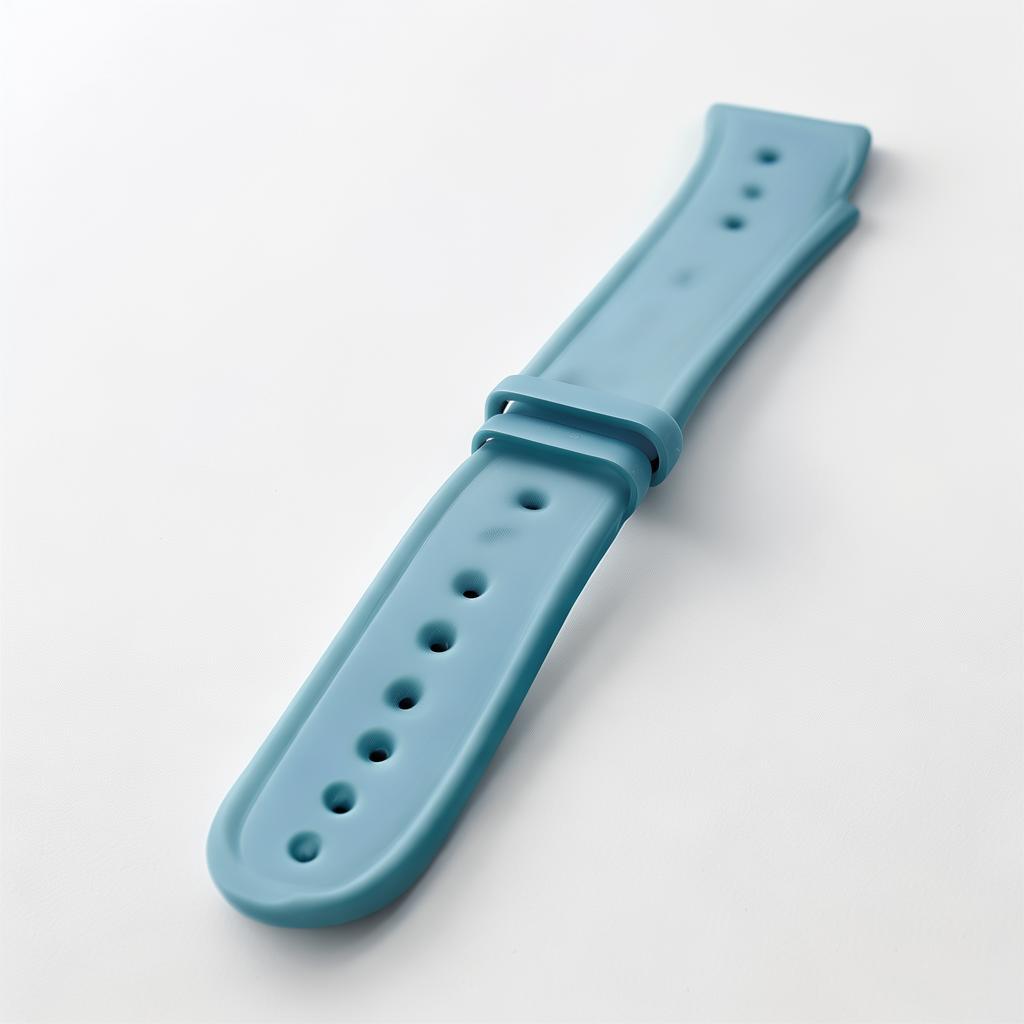
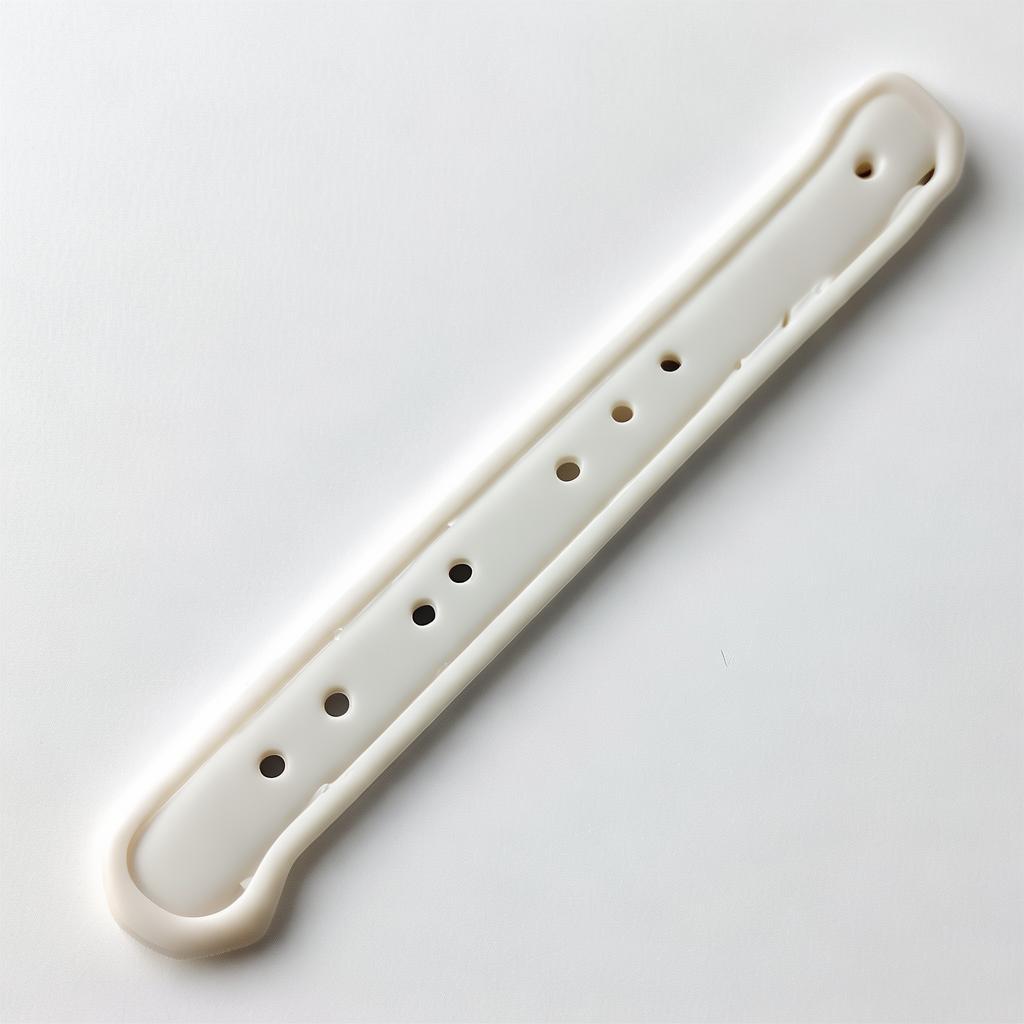
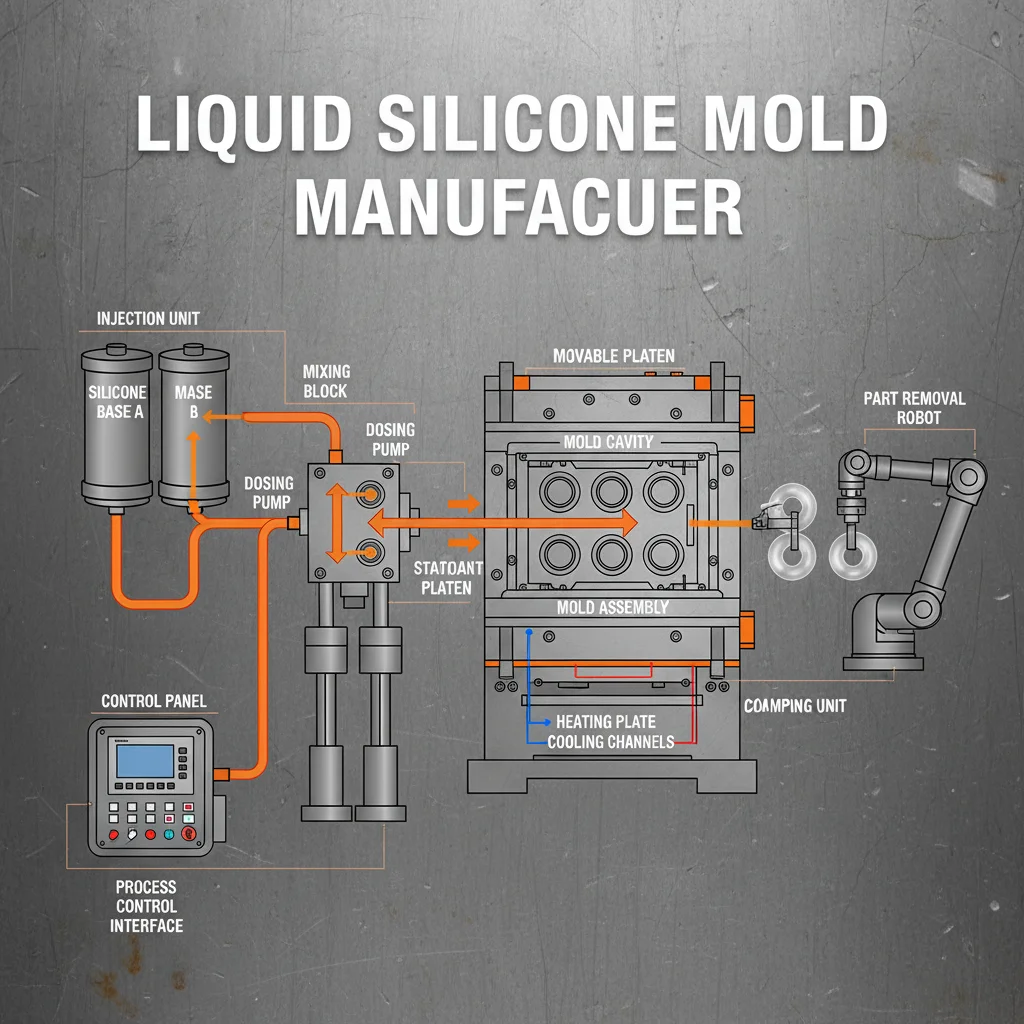
In over 20 years producing precision molded parts and components, Guangdong Yingtai has leveraged multiple material processing methods, including liquid silicone and plastic injection molding, to customize seals and fitment components tailored to OEM requirements. Our capabilities support multiple certifications like ISO 9001, ensuring consistency and batch uniformity.
Additionally, advanced tooling technologies, such as CNC precision mould processing and solid silicone hydraulic presses, guarantee tight dimensional tolerances aligned with ISO 492 standards for rolling bearings.
From a procurement perspective, requesting sample batches with defined tolerance verification reports greatly reduces risk. Working with manufacturers who invest in ongoing testing using coordinate measuring machines (CMM) and surface roughness testers prevents surprises downstream.
Installation & Maintenance Recommendations
Even with an optimal bearing press fit tolerance chart, field installation nuances can make or break performance. Here are tactical tips we've gleaned from operations managers and technical engineers:
Use appropriate heating methods: heating the bearing or cooling the shaft/housing can ease assembly without excessive force, reducing risk of raceway damage.
Incremental press fitting: avoid hammering or applying uneven pressure; use hydraulic or arbor presses with real-time force monitoring.
Surface cleanliness: oil, dirt, and corrosion on fitting surfaces can alter actual tolerances, causing slippage or excessive strain.
Periodic inspection for signs of fretting corrosion, bearing creep, or micro-movements ensures long service life.
Consult tolerances in context: sometimes slight abnormal clearances are tolerable to compensate for expected in-service expansion or wear.
Operational reality: many contractors report shorter installation time and fewer post-installation issues when adopting controlled temperature press fitting and using detailed tolerance charts supplied by trusted manufacturers.
Logistics, Lead Times & Supplier Reliability
Bearing procurement for press fit applications demands supplier transparency on lead times and testing. Unexpected delays or incomplete testing raise risks of receiving parts outside the agreed tolerance window.
Guangdong Yingtai operates a vertically integrated manufacturing system—from molding tool development to finished product QA—letting us offer competitive lead times averaging 15-30 days for most standard runs. Our export department coordinates container loading with secure packaging to protect pressed tolerance accuracy during shipping.
When evaluating vendors, request documentation on:
Dimensional inspection reports & ISO certificates
Process capability analysis (Cp, Cpk values) for fits and finishes
Evidence of batch traceability and production consistency
Customer service responsiveness and incident handling procedures
Remember, regulatory compliance such as CE certification and IATF 16949 adherence can be a reliable indicator of mature quality management systems.
Frequently Asked Questions
Q: How do I determine the correct press fit tolerance for a specific bearing size?
Start with the bearing manufacturer's recommended fit class and match it against your operating conditions such as load, temperature, and material pairing. Use the ISO 286 and ISO 492 standards as baseline for H7/g6 or K6/p5 fits, adjusting for special applications.
Q: Can press fit tolerances be adjusted based on bearing type?
Absolutely. For example, cylindrical roller bearings may require slightly tighter fits than ball bearings due to load distribution. Precision or high-speed bearings often demand tighter dimensional control.
Q: What production methods ensure the best tolerance control?
Precision CNC machining of housings combined with 5-axis mold tooling for components yields superior tolerance adherence. Liquid silicone molding with validated rheological datasets helps maintain dimensional stability for overmolded seals critical in press fit assemblies.
Q: How does thermal expansion influence press fit?
Materials with different coefficients of thermal expansion require compensating tolerances to avoid loss of fit integrity during temperature fluctuations. Selecting compatible alloys or applying thermal fittings (heating/cooling during assembly) mitigates these risks.
Q: What are common mistakes in procurement for press fit bearings?
Overlooking supplier quality certifications, ordering without detailed tolerance specs, and underestimating the impact of logistics-induced damage are frequent errors. Specifying OEM or ODM customizations early can reduce costly production reworks.
Buyer Testimonials & Real-World Cases
John M., Operations Manager, Michigan
“Ordering bearings from Yingtai with detailed press fit charts helped our assembly line reduce fitment issues by nearly 30%. Their fast feedback cycle and exporting reliability reduced downtime for our heavy equipment manufacturing plant.”
Get in Touch
If you have any camping barbeque equipment inquiry, please feel free to contact us.