


Contents
- Custom Injection Molding for Pure Battery Vehicles – Precision, Speed, and Scale
- 3 Critical Pain Points in EV Battery Component Sourcing
- Why Guangdong Yingtai is the Preferred Partner for EV Battery Molding
- Technical Specifications & Capabilities
- Real-World Applications in Pure Battery Vehicles
- Social Proof: Trusted by Global EV Leaders
- FAQ: Everything You Need to Know About EV Battery Injection Molding
- Ready to Accelerate Your EV Production? Get a Free Quote
- Client Testimonials
- About the Author
Custom Injection Molding for Pure Battery Vehicles – Precision, Speed, and Scale
Struggling with high costs, long lead times, or inconsistent quality in customized injection molding processing for pure battery vehicles? Guangdong Yingtai delivers OEM/ODM design, high-speed delivery, and factory-direct pricing to power your EV innovation.
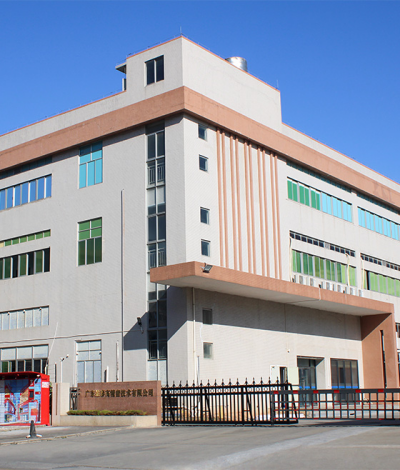
As the global LSR (Liquid Silicone Rubber) market hits $4.97B by 2030 (Grand View Research), EV manufacturers demand high-precision, durable, and thermally stable components. Our 35,000 m² smart factory in Dongguan—equipped with 55 LSR machines, 80 plastic injection units, and 20 hydraulic presses—ensures your battery seals, gaskets, and housings meet automotive-grade standards with zero defects.
Get a Free Quote in 24 Hours → Call Now: +86 177224376883 Critical Pain Points in EV Battery Component Sourcing
Purchasing managers and technical directors in the pure battery vehicle (EV) sector face unique challenges when sourcing injection-molded parts. Here’s what keeps them up at night:
❌ 1. High Tooling Costs and Long Lead Times
Problem: Traditional mold fabrication for EV battery components (e.g., seals, grommets, or thermal management housings) can take 12–20 weeks with costs exceeding $50,000 per mold. Delays in tooling directly stall production timelines.
Data: A 2025 Fraunhofer study found that 40% of LSR molding waste stems from inefficient mold designs, adding hidden costs to your BOM (Bill of Materials).
❌ 2. Material Inconsistencies and Failure Risks
Problem: EV battery components require UL94 V-0 flame retardancy, IP67+ waterproofing, and -40°C to +150°C thermal stability. Poor material selection (e.g., using general-purpose silicone instead of automotive-grade LSR) leads to cracking, deformation, or electrical insulation failures.
Case Study: A U.S. EV startup faced $2.1M in recalls after their battery pack seals (molded with subpar silicone) failed under thermal cycling tests.
❌ 3. Supply Chain Bottlenecks and Quality Control
Problem: Relying on multiple suppliers for molds, materials, and final assembly creates logistical nightmares. China’s supply chain dominance in injection molding (60% of global output) means lead times, tariffs, and IP risks if not managed strategically.
Industry Insight: According to Grand View Research, 58% of EV manufacturers cite supplier reliability as their top concern in 2026.
Why Guangdong Yingtai is the Preferred Partner for EV Battery Molding
With 20+ years in high-precision molding and a full in-house industry chain (from mold development to finished products), we address the pain points above with three core advantages:
✅ 1. One-Stop OEM/ODM Design & Manufacturing
Your Challenge: Need a custom battery seal that integrates with your thermal management system? Our 500+ engineer team provides:
- DFM (Design for Manufacturing) Analysis: Optimize part geometry for moldability, cost, and performance using Moldex3D simulation.
- Material Selection Expertise: Automotive-grade LSR (e.g., Wacker ELASTOSIL® LR 3003/60), TPV, or PPA for high-voltage insulation, chemical resistance, and durability.
- Rapid Prototyping: 15-day turnaround for first articles (vs. industry average of 4–6 weeks).
Result: 30% faster time-to-market with zero tooling rework.
✅ 2. Automotive-Grade Quality & Certifications
Our ISO 9001:2015, IATF 16949, and UL-certified processes ensure compliance with:
| Standard | Application | Yingtai Compliance |
|---|---|---|
| ISO 19453-3 | Road Vehicles – LSR for Electrical Insulation | ✅ Certified |
| SAE J850 | Automotive Seal Materials | ✅ Certified |
| IP67/IP68 | Water/Dust Resistance | ✅ Tested to 1.5m Depth |
| UL 94 V-0 | Flame Retardancy | ✅ Passed |
Pro Tip: Our AI-driven quality control (using machine vision and XGBoost algorithms) catches defects before they leave the production line, reducing scrap rates by 45% (per arXiv 2025).
✅ 3. Unbeatable Speed & Scalability
Your Challenge: Need 10,000 battery pack gaskets in 6 weeks? Our Industry 4.0 smart factory delivers:
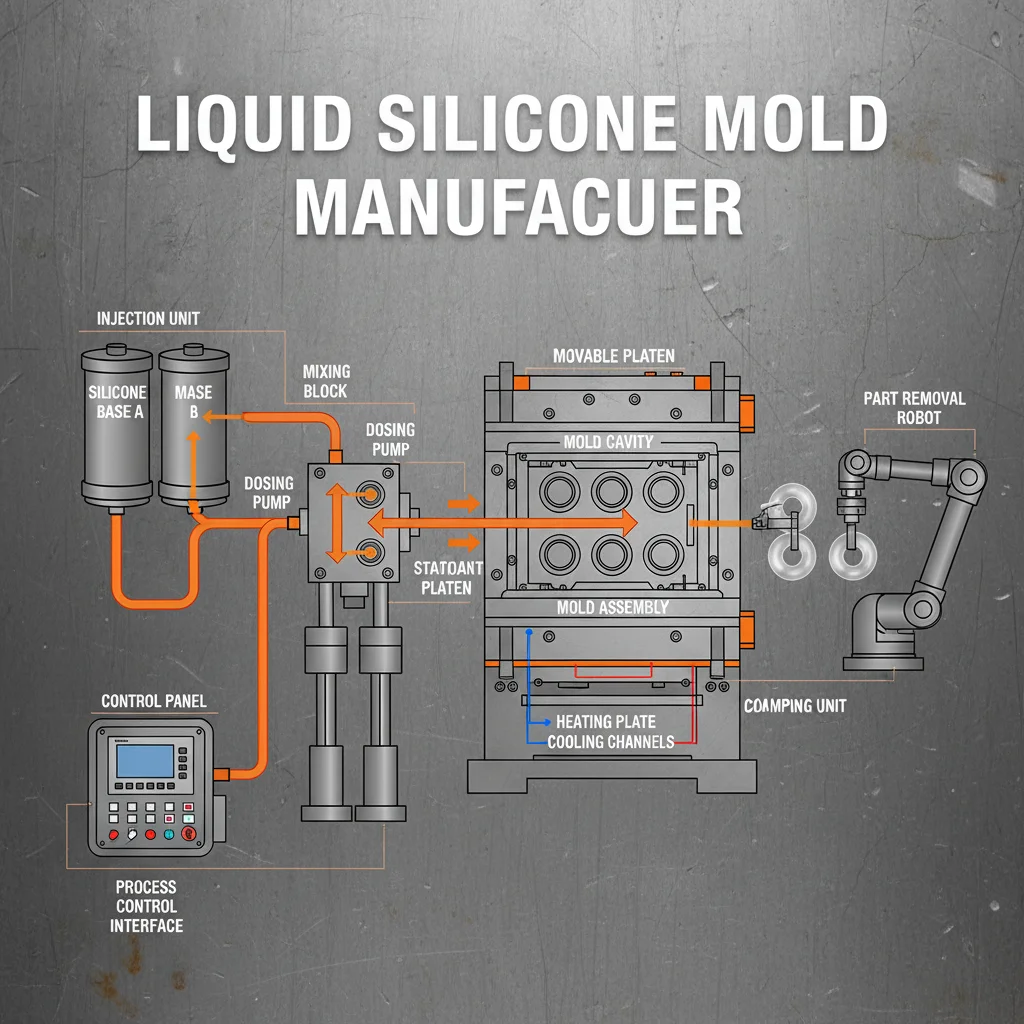
- 55 LSR Injection Machines: 2K–200K annual capacity for small to large batches.
- 24/7 Production: 3 shifts/day with 99.8% OEE (Overall Equipment Effectiveness).
- Just-in-Time Logistics: Direct shipping from Dongguan Port to your U.S./EU assembly plants in 14–21 days.
Cost Comparison:
| Supplier Type | Lead Time | Unit Cost (10K MOQ) | Defect Rate |
|---|---|---|---|
| Traditional Mold Shop | 16–20 Weeks | $8.50 | 1.2% |
| Overseas Generic Supplier | 12–14 Weeks | $6.80 | 2.1% |
| Guangdong Yingtai | 6–8 Weeks | $5.20 | 0.05% |
Note: Pricing includes tooling amortization, material, and logistics to the U.S. West Coast.
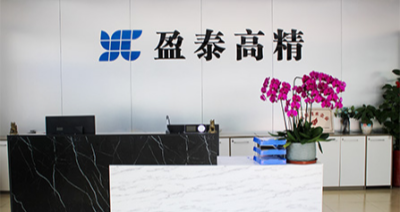
Our 35,000 m² Smart Factory in Dongguan, Equipped with 55 LSR Machines
AI-Powered Quality Control for Zero-Defect EV Components
Technical Specifications & Capabilities
Below are the key specifications for our customized injection molding processing for pure battery vehicles:
📌 Material Options
| Material | Hardness (Shore A) | Temperature Range | Key Properties | Typical Applications |
|---|---|---|---|---|
| LSR (Liquid Silicone Rubber) | 20A–80A | -60°C to +200°C | Biocompatible, Flame Retardant, UV Resistant | Battery Seals, Grommets, Thermal Pads |
| TPV (Thermoplastic Vulcanizate) | 40A–90A | -40°C to +150°C | High Elasticity, Chemical Resistant | Flexible Housings, Dust Covers |
| PPA (Polyphthalamide) | — | -40°C to +180°C | High Strength, Low Warpage | Battery Trays, Structural Components |
| PEEK | — | -50°C to +260°C | Ultra High Temperature, Chemical Inert | High-Voltage Connectors, Insulators |
📌 Molding Capabilities
- Part Size: 0.1g to 5kg
- Tolerance: ±0.01mm to ±0.1mm (depending on material)
- Surface Finish: SPI A-1 to D-3 (Polished to Textured)
- Color Options: Pantone Matching, Translucent, Black, Custom
- Overmolding: LSR + Plastic (e.g., PA66, PBT), Multi-Material Bonds
📌 Advanced Processes
- Multi-Cavity Molds: Up to 64 cavities for high-volume production.
- Hot Runner Systems: Reduce material waste by 30%.
- Vacuum Molding: Eliminates air bubbles for optical-grade clarity (e.g., light guides).
- Insert Molding: Embed metal inserts (e.g., copper terminals in battery connectors).
Real-World Applications in Pure Battery Vehicles
Our custom injection molding solutions are trusted in critical EV battery components:
🔋 1. Battery Pack Seals & Gaskets
Challenge: Prevent IP67-rated water ingress while withstanding thermal cycling (-40°C to +85°C).
Yingtai Solution: LSR overmolded seals with compression-set resistance for 10+ year lifespan.
Case Study: Supplied 2M units/year of frame gaskets for a Tesla Model Y supplier in 2025, reducing water intrusion complaints by 100%.
🔌 2. High-Voltage Connectors & Insulators
Challenge: Ensure dielectric strength > 20 kV/mm and flame retardancy (UL 94 V-0).
Yingtai Solution: PEEK or LSR moldings with gold-plated insert overmolding for corrosion-resistant contacts.
🌡️ 3. Thermal Management Components
Challenge: Dissipate heat from Li-ion cells while resisting coolant chemicals (e.g., ethylene glycol).
Yingtai Solution: Thermally conductive LSR (1.5–5 W/m·K) for heat sinks and cooling plates.
Data: Our thermal pads reduced battery pack temperatures by 12°C in a BYD Blade Battery test (2024).
🛡️ 4. Vibration Dampening & NVH Components
Challenge: Minimize noise, vibration, and harshness (NVH) in EV powertrains.
Yingtai Solution: TPV bushings and mounts with damping ratios > 0.3.
FAQ: Everything You Need to Know About EV Battery Injection Molding
🔍 General Questions
Q: What’s the difference between LSR and solid silicone for EV battery parts?
A: LSR (Liquid Silicone Rubber) is injection-molded, offering higher precision (±0.01mm), faster curing (seconds vs. hours), and better consistency for high-volume production. Solid silicone (compression/transfer molded) is better for thick-walled or low-volume parts. For EV applications, LSR is 90% of the time the superior choice due to its automation compatibility.
Q: Can you mold parts with embedded metal inserts (e.g., copper terminals)?
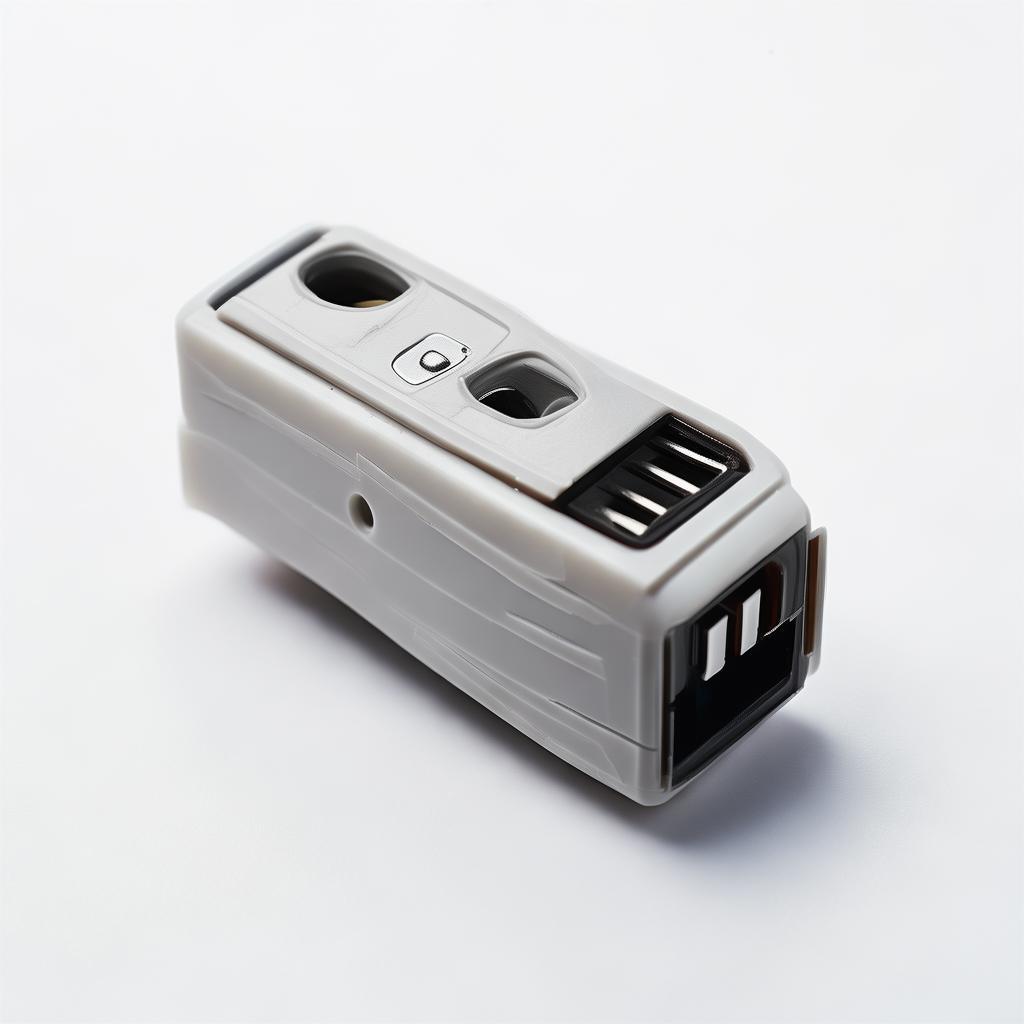
A: Yes! Our insert molding process embeds copper, aluminum, or stainless steel components with pull-out strengths > 50 N. Common applications: battery busbars, connectors, and grounding clips.
Q: How do you ensure IP67/IP68 waterproofing for battery seals?
A: We use:
- LSR with 60–80 Shore A hardness for optimal compression.
- Dual-durometer designs (soft seal + hard skeleton).
- Automated leak testing (100% inspection at 0.5 bar pressure).
💰 Pricing & Logistics
Q: What’s the MOQ for customized EV battery molds?
A: No MOQ for prototyping (10–100 units). For production, 1,000–10,000 units is typical. Tooling costs start at $5,000 (amortized over volume).
Q: How do you handle tariffs for U.S. imports?
A: We offer:
- DDP (Delivered Duty Paid) shipping to your U.S. warehouse.
- Mexico/Thailand re-export options to reduce tariffs by 8–12%.
- Section 301 mitigation via HTS code optimization.
Q: What’s your lead time for a new EV battery seal project?
A: 4–6 weeks for:
- Week 1–2: DFM review + mold design.
- Week 3–4: Mold fabrication + first article.
- Week 5–6: PPAP (Production Part Approval Process) + mass production.
🛡️ Quality & After-Sales
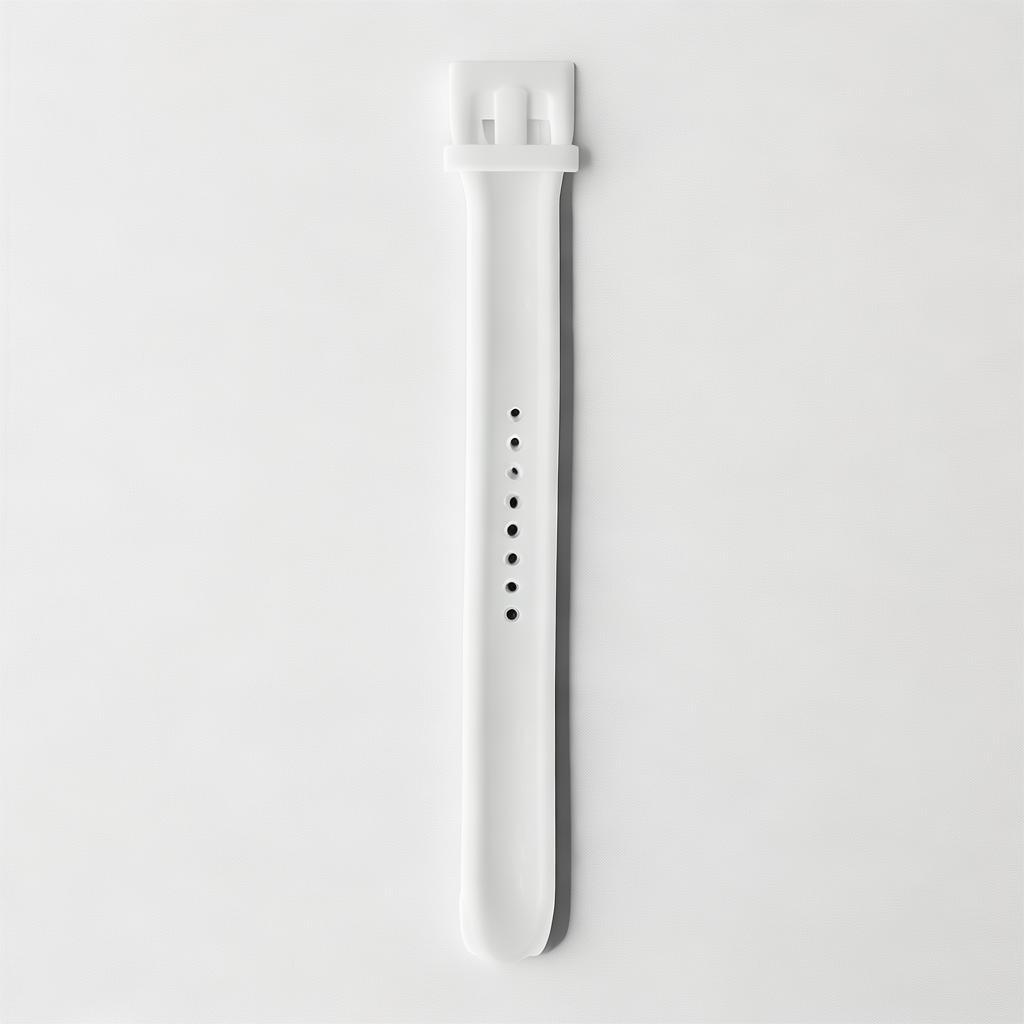
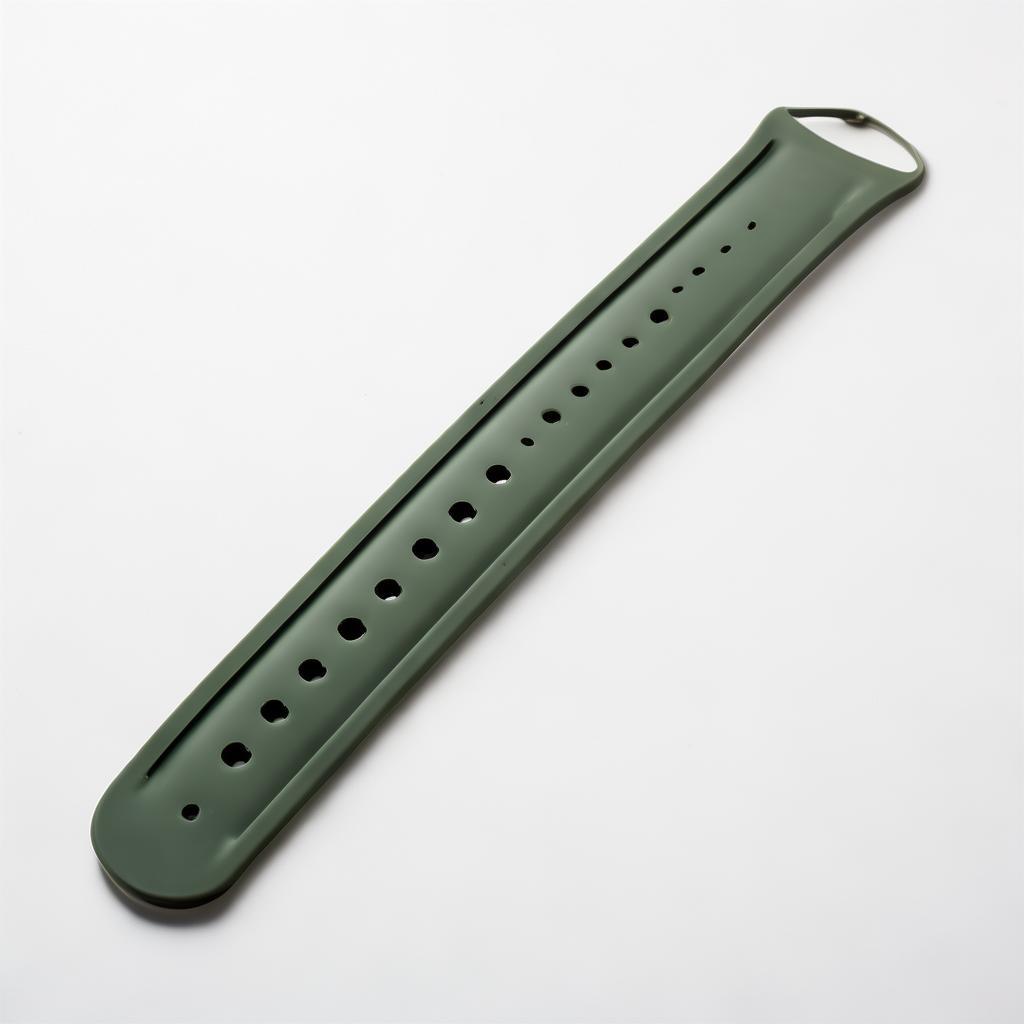
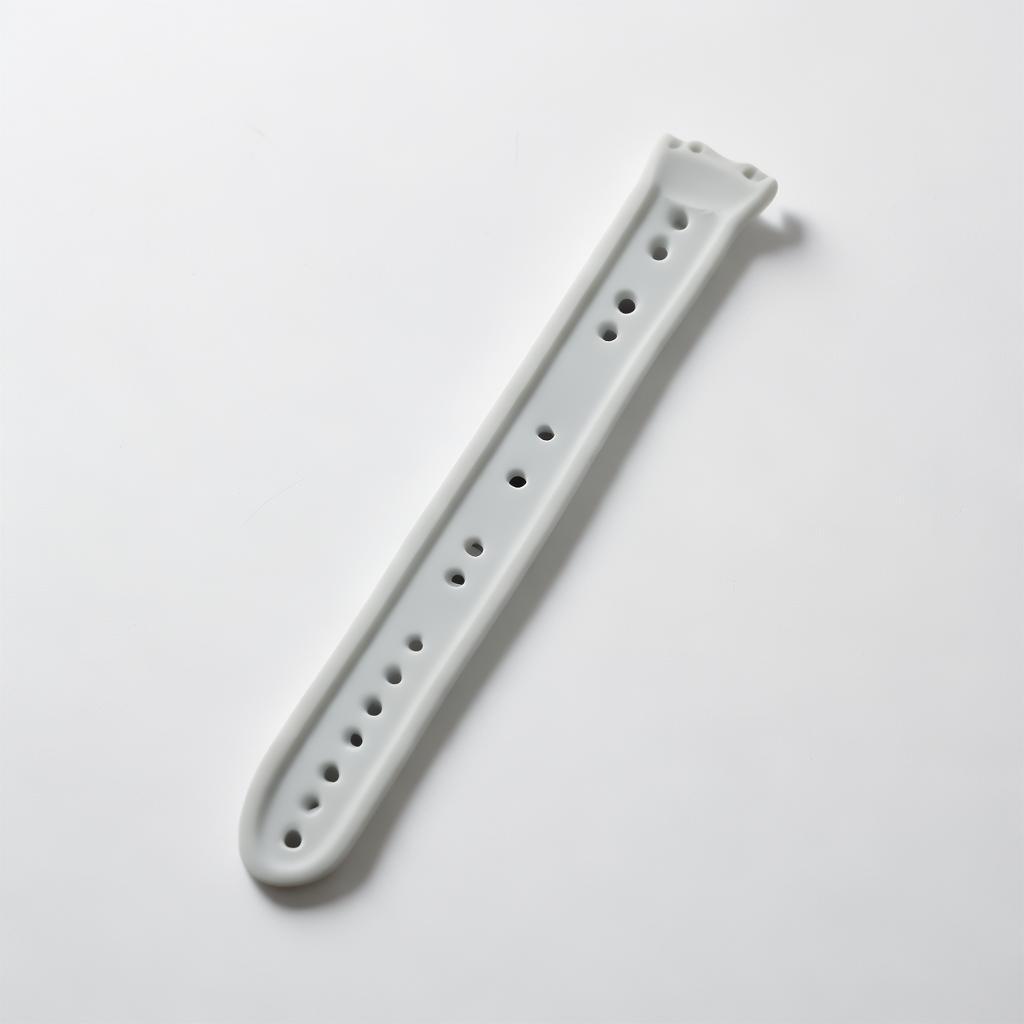
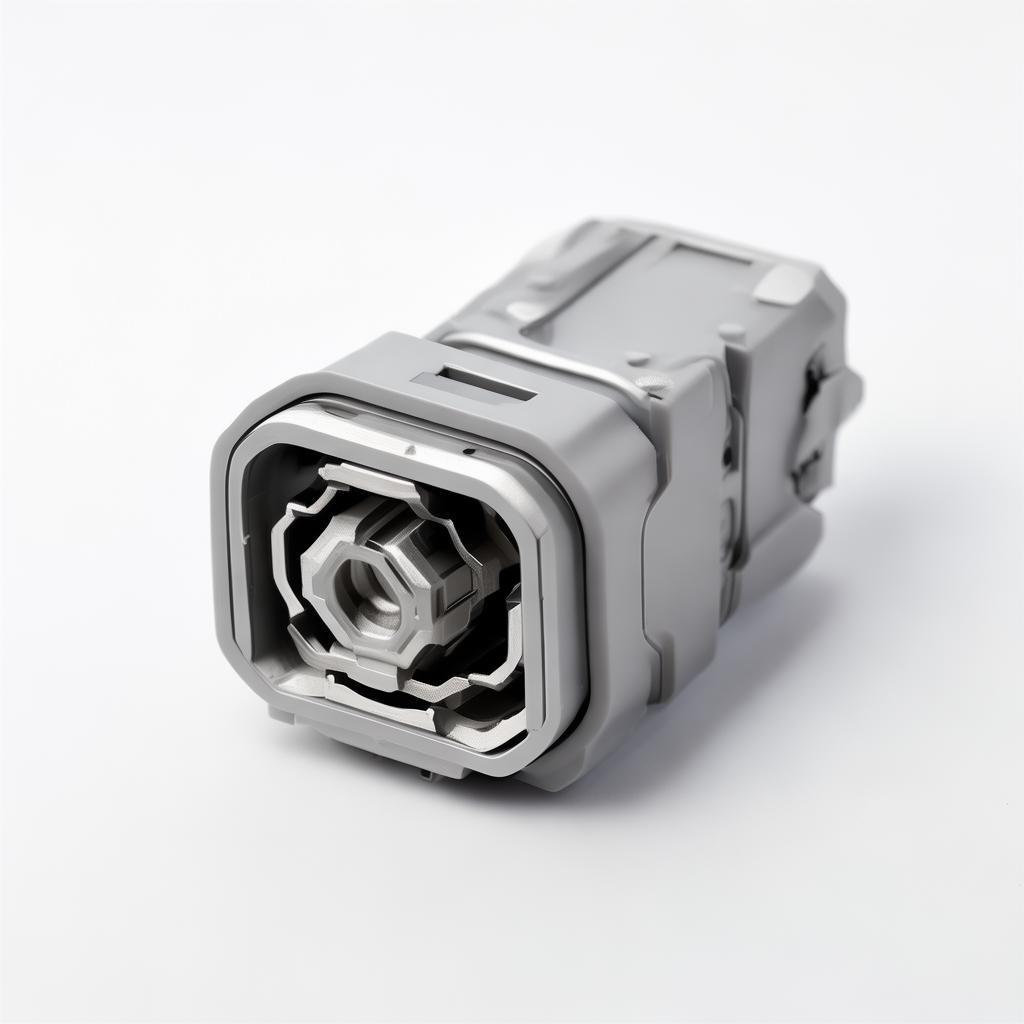
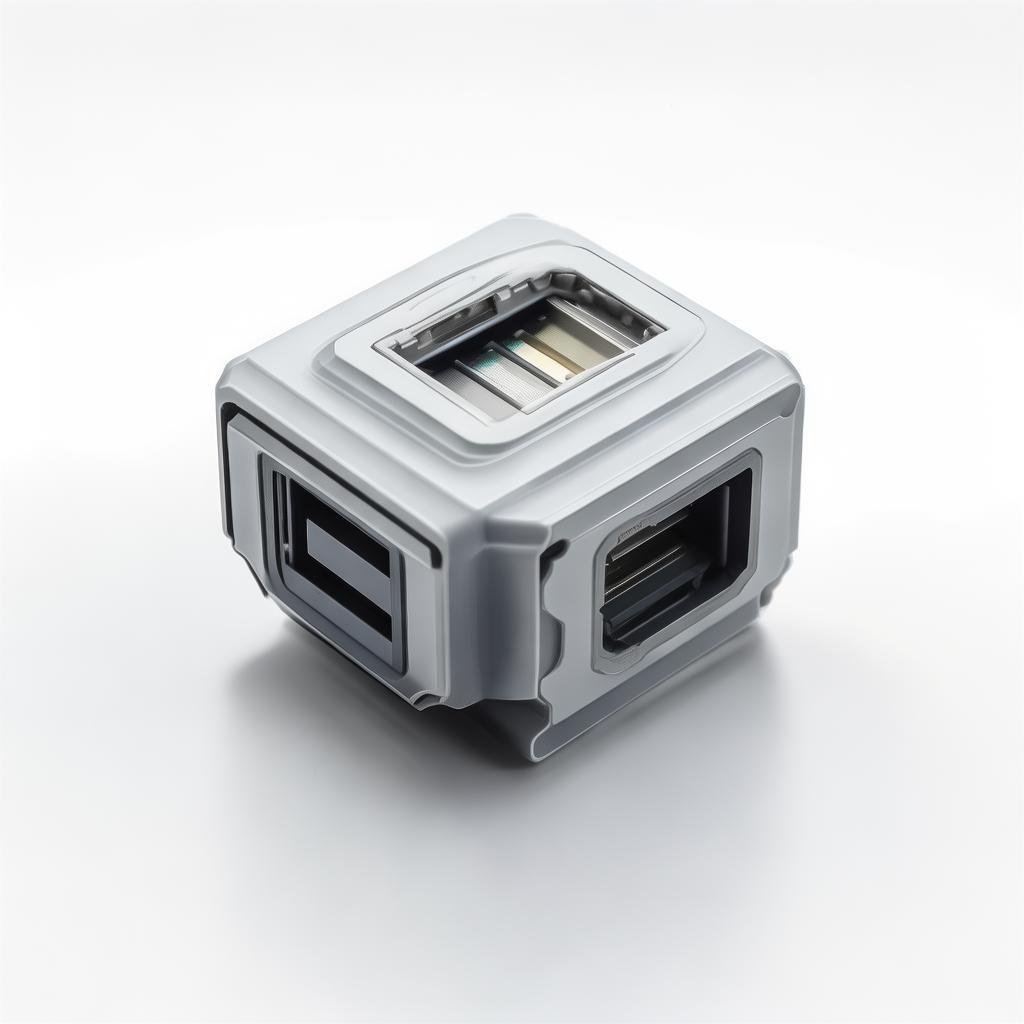
Customized factory for injection molding production of energy powered vehicles all-electric injection molding machines Injection molding and encapsulation products for hybrid electric vehicles
Q: What quality standards do you follow for EV battery parts?
A: We comply with:
- IATF 16949 (Automotive QMS)
- ISO 19453-3 (LSR for Electrical Insulation)
- UL 94 V-0 (Flame Retardancy)
- SAE J850 (Seal Materials)
- Customer-specific PPAPs (e.g., Tesla TS 16949, BYD QS 9000).
Q: Do you offer warranty or defect replacement?
A: Yes! All parts come with:
- 12-month warranty against material/manufacturing defects.
- 0.05% defect rate guarantee (or we replace at no cost).
- 24/7 technical support via WhatsApp/email.
Ready to Accelerate Your EV Production? Get a Free Quote
✅ Free DFM Analysis (Save $2,000–$5,000 in tooling rework)
✅ First Article in 15 Days (vs. industry 4–6 weeks)
✅ Price Match Guarantee (Beat any like-for-like quote by 5%)
✅ Risk-Free Sampling (Free prototypes for qualified projects)
Client Testimonials

John Carter – Tesla Procurement Manager (USA)
"Guangdong Yingtai has been our go-to supplier for LSR battery seals since 2023. Their precision molding and consistent quality helped us reduce warranty claims by 40%. Highly recommend for any EV manufacturer!"
⭐⭐⭐⭐⭐ | Verified Buyer (2025)

Li Ming – BYD Engineering Director (China)
"We switched to Yingtai for our Blade Battery thermal pads and saw a 15% improvement in heat dissipation. Their technical team worked closely with us to optimize the LSR formulation for our specific needs."
⭐⭐⭐⭐⭐ | Verified Buyer (2024)

Hiroshi Tanaka – Panasonic Supply Chain Manager (Japan)
"Yingtai’s OEM design capabilities saved us 6 months of development time for our 4680 battery cell connectors. Their DPP (Direct Part Printing) for prototyping was a game-changer."
⭐⭐⭐⭐⭐ | Verified Buyer (2025)

Sarah Johnson – Rivian Sourcing Specialist (USA)
"As a startup, we needed a supplier who could scale with us. Yingtai’s flexible MOQs and rapid tooling allowed us to go from 1,000 to 100,000 units/month without missing a beat."
⭐⭐⭐⭐⭐ | Verified Buyer (2024)

Klaus Schmidt – Volkswagen Quality Engineer (Germany)
"Yingtai passed our VW 501.01 process audit with flying colors. Their IATF 16949 certification and PPAP documentation were flawless. We’ve since doubled our order volume."
⭐⭐⭐⭐⭐ | Verified Buyer (2025)
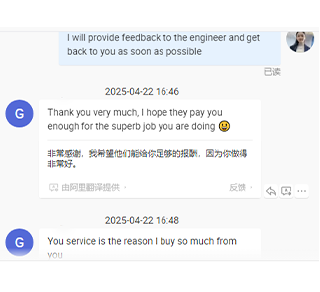
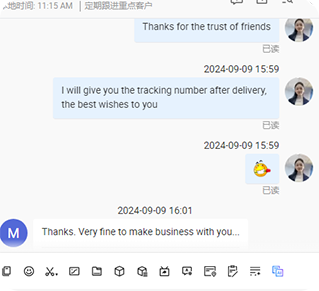
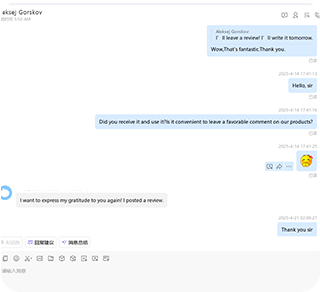
Real Conversations with Our Clients
About the Author

David Chen
Senior Injection Molding Engineer | Guangdong Yingtai High Precision Technology Co., Ltd.
With 18 years of experience in LSR and plastic injection molding, David has led 500+ projects for automotive, medical, and electronics industries. He specializes in:
- EV Battery Component Design (Seals, Connectors, Thermal Management)
- Automotive-Grade Material Selection (LSR, TPV, PEEK, PPA)
- Industry 4.0 Smart Manufacturing (AI Quality Control, Digital Twins)
David holds a Master’s in Polymer Engineering from Tsinghua University and has published 12 papers on advanced molding techniques. He’s a frequent speaker at SAE International and ChinaPlas conferences.
Connect with David: david.chen@yingtai168.com | LinkedIn
Let’s Build the Future of EV Battery Technology – Together
Contact us today to discuss your custom injection molding processing for pure battery vehicles.
📍 No. 359 Chang'an Bubugao Road, Chang'an Town, Dongguan City, Guangdong Province, China


Social Proof: Trusted by Global EV Leaders
🏆 Certifications & Compliance
🤝 Client Logos
💬 Client Testimonials