What Does 3.2 Ra Mean? Industry Context & Technical Overview
The term 3.2 Ra surface finish is a standard expression used in the manufacturing and engineering sectors to specify the average roughness of a machined or finished surface. The “Ra” stands for Roughness Average, commonly measured in micrometers (µm), representing the arithmetic mean deviation from the mean surface line. A 3.2 µm Ra finish falls within a medium range of roughness — rougher than fine finishes (like 0.4 or 0.8 Ra) but smoother than coarse industrial finishes exceeding 6.3 Ra.
Why does this matter? In precision components — whether automotive seals, electronic housings, or hydraulic parts — the surface roughness influences not only aesthetics but functional factors like wear resistance, lubrication retention, and assembly tolerances. Surfaces finished at 3.2 Ra often strike a pragmatic balance between machining cost and usable performance, suitable for a broad span of industrial applications.
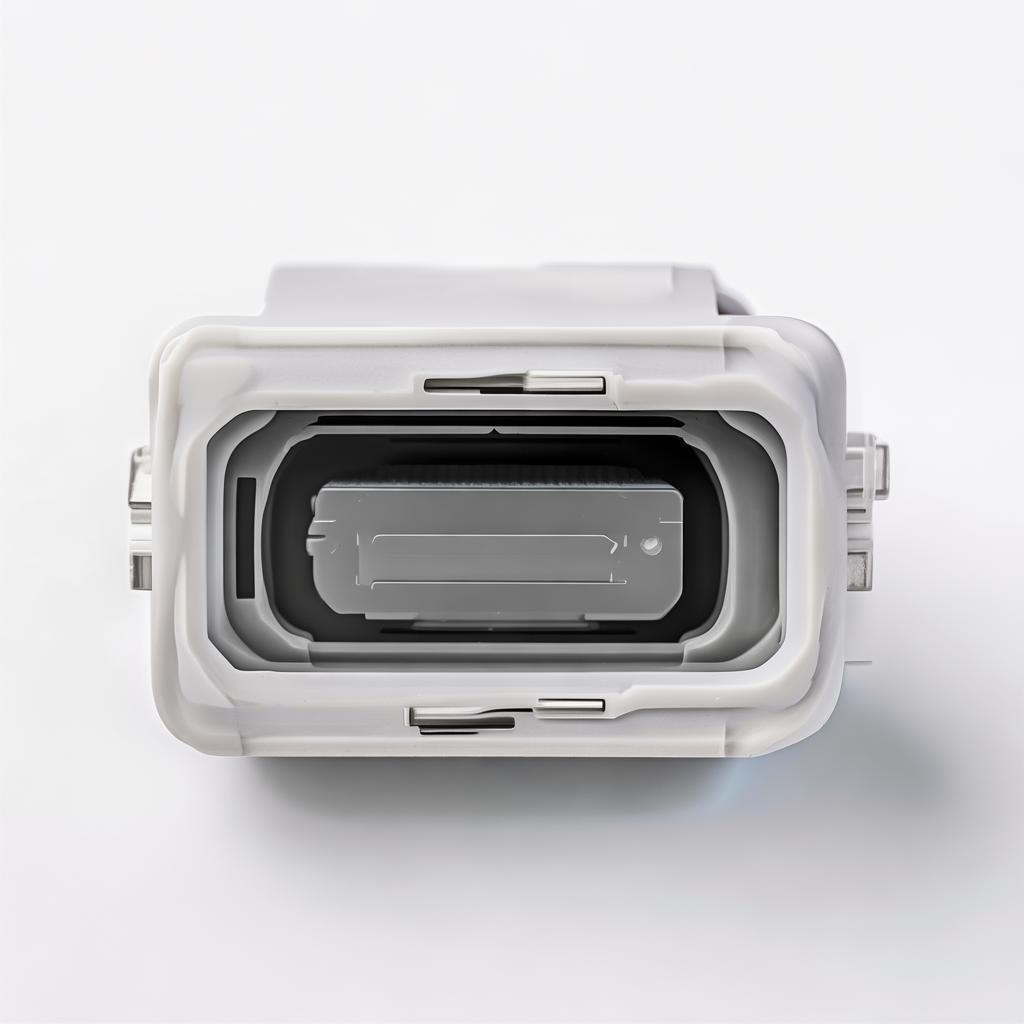
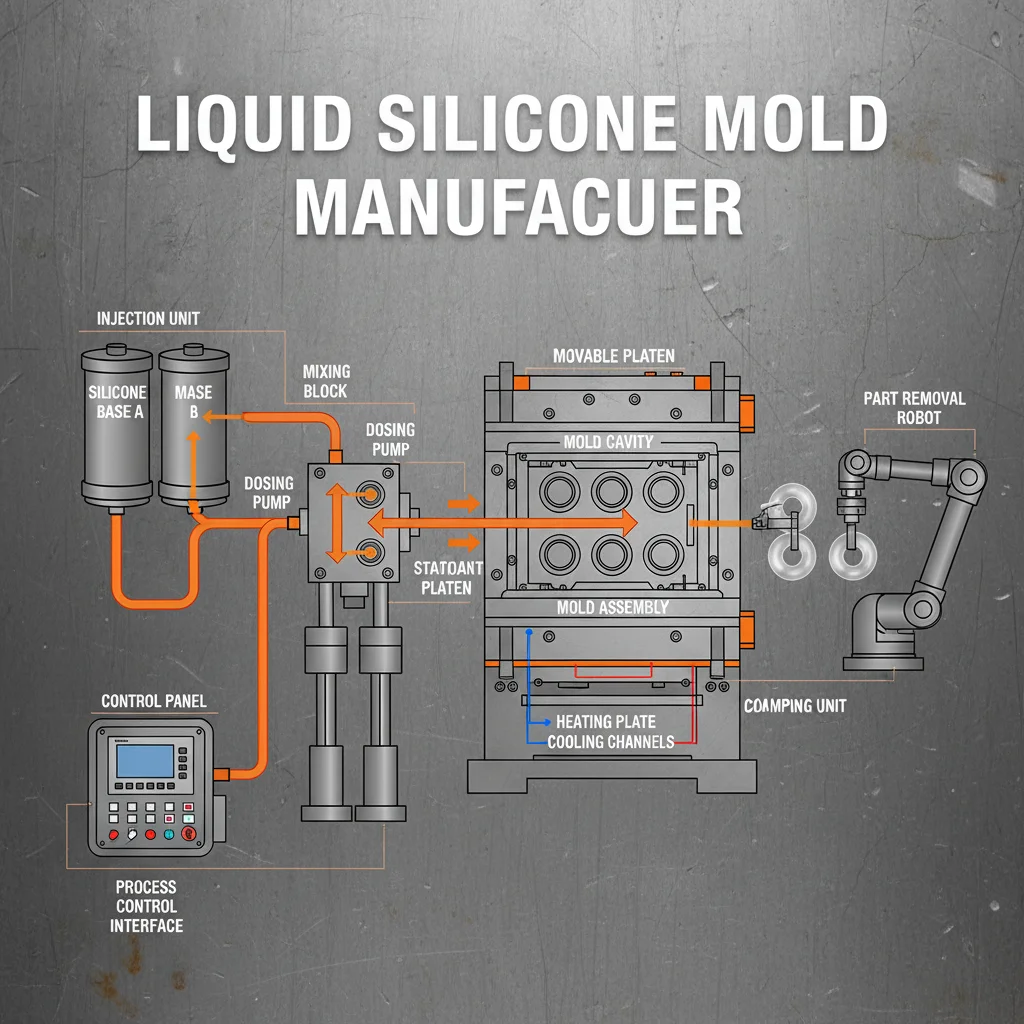
Operationally, the 3.2 Ra figure often corresponds with grinding, milling with specific cutting parameters, or liquid silicone rubber (LSR) overmolding where the mold surface finish indirectly determines the final product’s surface quality. It's noteworthy that achieving consistent 3.2 Ra finishes demands controlled tool wear, stable machining parameters, and precise process monitoring — areas where factories with advanced CNC centers and quality control labs excel.
Surface finish standards like ISO 1302 or ASME B46.1 formally define measurement methods and symbols relevant to Ra. Procurement teams should always confirm referenced standards with suppliers to avoid ambiguity — a common pitfall in offshore sourcing.
Recent market data from industry analyses on liquid silicone rubber and precision machining (cited below) highlight that surface finish requirements are a pivot for product differentiation and customer satisfaction. For example, a growing number of healthcare and consumer electronics manufacturers prefer injection molded silicone products with stable 3.2 Ra finishes to balance tactile quality and production cost — a fact reinforced by the surge of LSR injection molding in Asia-Pacific manufacturing hubs.
Given the diverse terminology and regional variances in surface finish specifications, decisions regarding a 3.2 Ra standard should consider the supplier’s measurement methods and reporting transparency, especially when final parts must comply with certifications like CE, RoHS, or medical standards.
For those managing procurement and quality assurance, understanding the practical implications of a 3.2 Ra surface finish means recognizing the influence on downstream processes like coating adhesion, sealing performance, or wear characteristics — all of which affect lifecycle costs and operational reliability.
Benefits of Choosing a 3.2 Ra Finish for Your Products
A 3.2 Ra surface finish is often selected not arbitrarily, but due to its functional and economic balance. Here are some operational benefits confirmed by manufacturing specialists:
- Enhanced Mechanical Performance: Medium smoothness reduces friction and wear in moving parts without necessitating ultra-fine finishing processes.
- Cost-Effective Production: Less grinding and polishing required compared with ultra-fine finishes, keeping machining times efficient and tooling life optimized.
- Improved Coating & Adhesion: Provides sufficient surface roughness for paint, powder coating, or adhesive bonds without extensive surface prep.
- Reliable Seal Performance: In sealing applications, such as liquid silicone rubber gaskets, 3.2 Ra minimizes leakage risks by offering adequate surface texture.
- Consistent Quality Control: Easier to verify against inspection standards, reducing sample rejection rates and production delays.
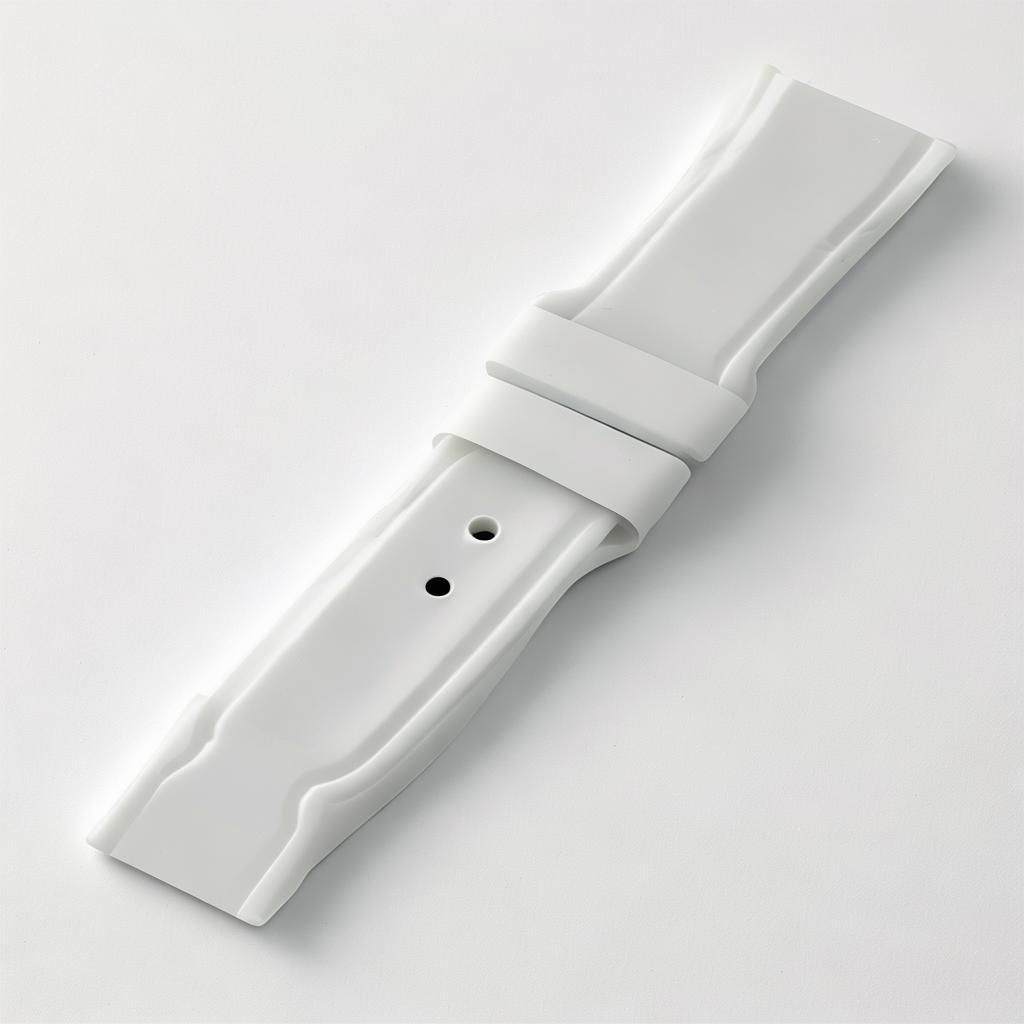
Industries ranging from automotive parts manufacturing to consumer electronics assembly recognize 3.2 Ra as a practical standard. For example, in the LSR overmolding sector, the finish on the mold is critical: a mold polished at 3.2 Ra yields silicone components with a balance of gloss and grip – essential for wearables and industrial seals alike.
Common Application Environments & Industry Use Cases
A 3.2 Ra surface finish fits many product environments where moderate smoothness is required without incurring the cost and extended cycle times of ultra-fine finishes. Here are typical scenarios:
- Automotive Components: Pistons, transmission parts, valve seats especially where lubrication retention and sealing surfaces are critical.
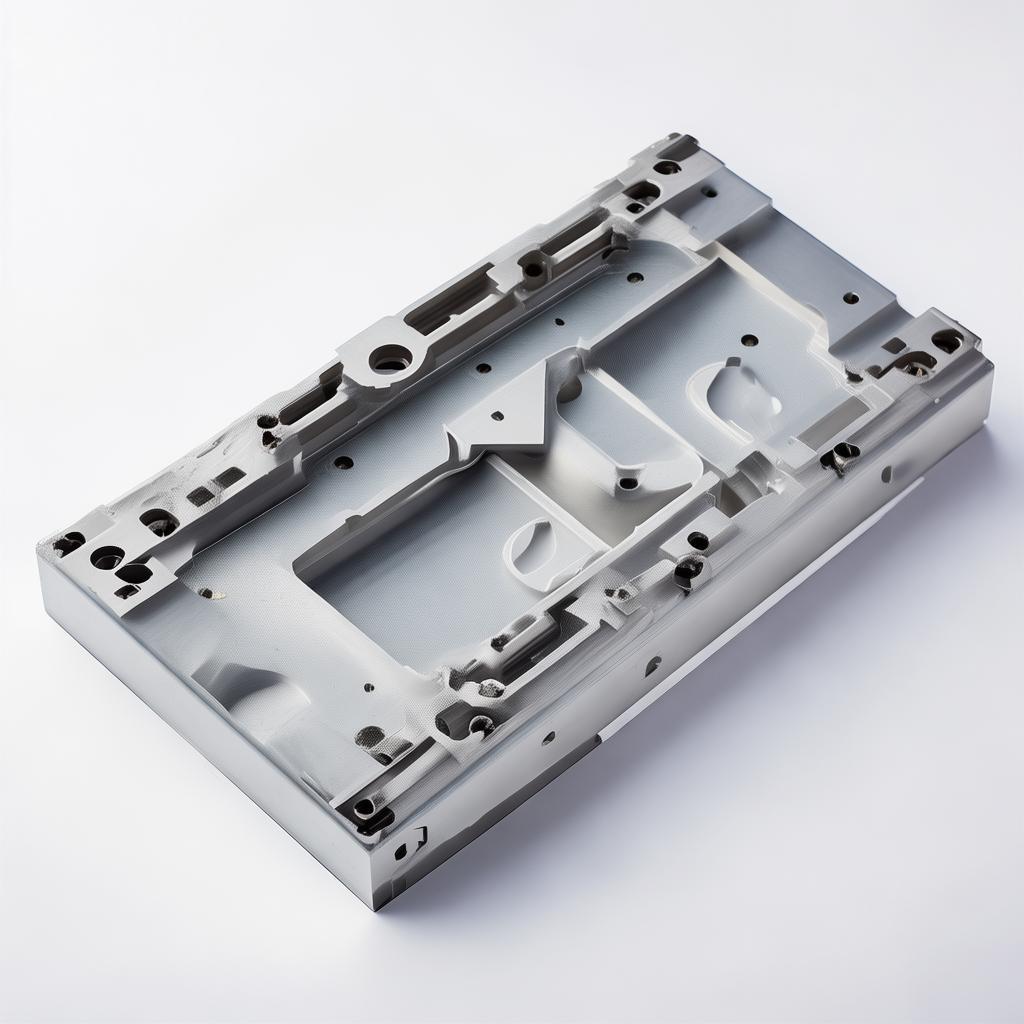
- Liquid Silicone Rubber Molds: Mold surfaces for LSR injection molding often maintain a 3.2 Ra finish, balancing silicone demolding and aesthetic gloss.
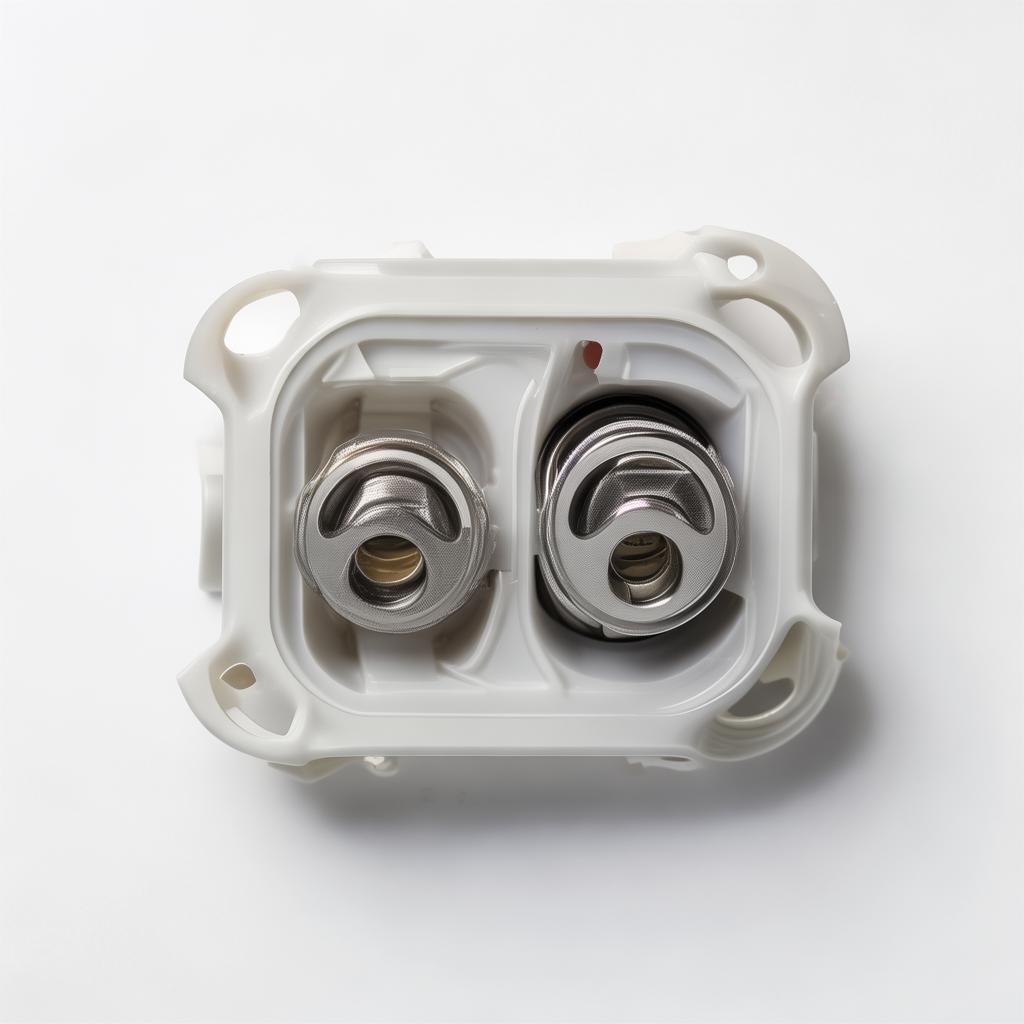
- Hydraulic & Pneumatic Seals: Elastomer overmolds on metal inserts, where sealing effectiveness correlates with surface texture.
- Consumer Electronics Housings: Structural parts with medium finish for scratch resistance and paint adhesion.
- Medical Device Casings: Non-critical external surfaces requiring balanced finish to meet regulatory standards without excessive cost.
- Industrial Appliances: Machine parts exposed to moderate abrasion and chemical contact but not to ultra-high precision tolerances.
Note: In higher precision or optical applications, finishes below 0.4 Ra are preferred, but for many rugged, functional parts, 3.2 Ra provides a sensible compromise.