

Precision Aerospace Tanks: Industrial Solutions for Flight and Space
Trusted high-performance aerospace tank manufacturing - tailored for procurement professionals and engineers navigating global supply chains.
Navigating Industry Challenges in Aerospace Tank Procurement
In aerospace manufacturing, tanks are critical pressure vessels designed for fuel storage, hydraulic fluids, or pressurization systems operating under extreme conditions. Procurement managers and technical engineers face stringent demands: light weight, chemical resistance, tight tolerances, and compliance with aerospace-grade specifications.
Common pain points include:
- Material selection risks: Balancing aluminum alloys, titanium, or composite polymers affects durability and weight, but also impacts welding and assembly complexity.
- Manufacturing inconsistencies: Tank wall thickness uniformity and sealing integrity must resist extreme pressures and temperature fluctuations.
- Certification hurdles: Meeting FAA, AS9100D, and ISO 9001 standards requires meticulous quality control and traceability.
- Supply chain volatility: Lead times may extend due to bottlenecks in precision machining or raw material availability.
Ignoring these factors jeopardizes mission-critical aerospace projects. For procurement teams, vetting suppliers capable of delivering certified aerospace tanks with repeatable quality is non-negotiable. Subcontracting to factories without aerospace experience often leads to delays, costly reworks, and certification struggles.
Deep Technical Overview: Materials and Production Methods for Aerospace Tanks
Industry trends increasingly favor lightweight, high-strength alloys such as 7075-T6 aluminum or Ti-6Al-4V titanium alloy due to excellent strength-to-weight ratios and corrosion resistance. However, aerospace-grade polymer composites, including carbon fiber reinforced plastics (CFRP), are gaining traction where complex shapes and weight savings are paramount.
Manufacturing workflows typically involve:
- Precision machining: CNC turning and milling for tight tolerance geometries, often within ±0.05mm
- High integrity welding: Tungsten Inert Gas (TIG) or Electron Beam Welding for minimal distortion and stress concentration
- Surface treatments: Anodizing or chemical passivation to enhance corrosion resistance
- Sealing systems: Use of aerospace-grade O-rings or silicone gaskets tested under pressure cycles
| Material | Typical Density (g/cm³) | Corrosion Resistance | Common Uses |
|---|---|---|---|
| 7075-T6 Aluminum Alloy | 2.81 | Good, anodized | Fuel tanks, pressure vessels |
| Ti-6Al-4V Titanium Alloy | 4.43 | Excellent | High-pressure tanks, critical hydraulic lines |
| Carbon Fiber Reinforced Plastic (CFRP) | ~1.6 | Very good, resin dependent | Lightweight tank housings, backup structures |
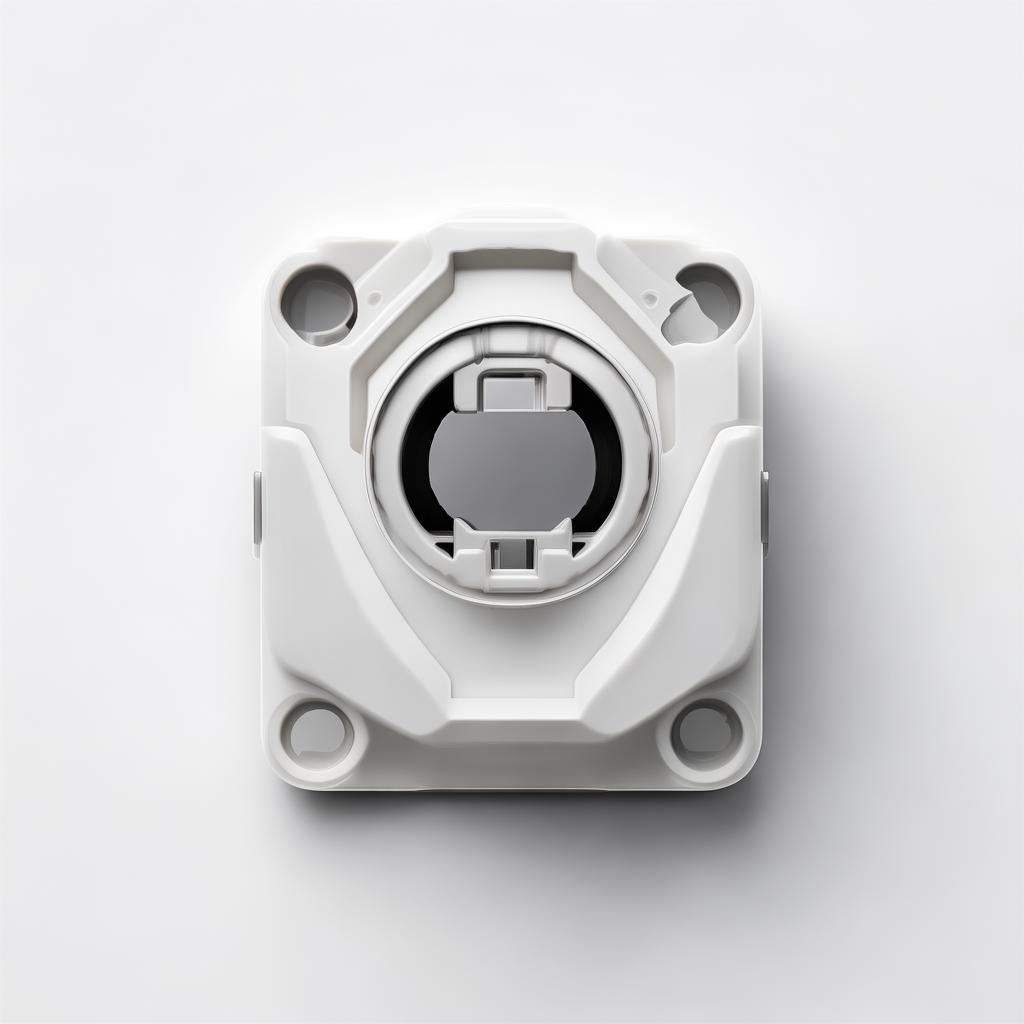
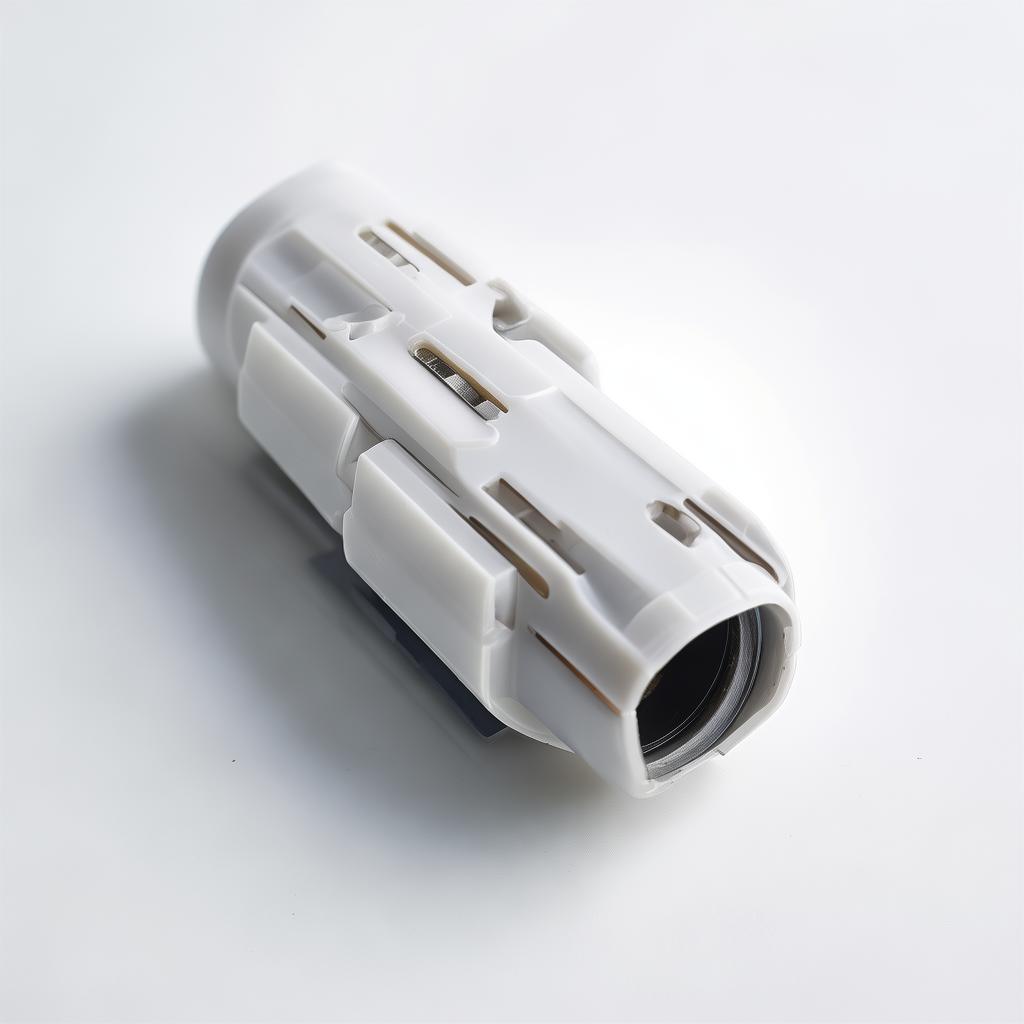
propellant tank aerospace bolts aircraft mold
Note: Manufacturing precision directly influences aerospace tank lifecycle and safety. Material certification to AMS (Aerospace Material Specifications) and traceability of each batch are mandatory in the supply chain to pass rigorous quality audits.
Why Choose Our Aerospace Tanks? Manufacturing Advantages That Matter
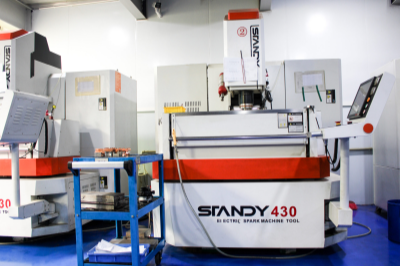
Guangdong Yingtai High Precision Technology is a leading manufacturer located in Dongguan, China, with over 20 years specializing in precision molded components, including aerospace fluid tanks. Our focused expertise, advanced production line, and strict process controls underpin superior product performance and supply reliability.
- Integrated manufacturing: Our vertical integration—from mold development through injection molding to finishing—minimizes delays and quality variation.
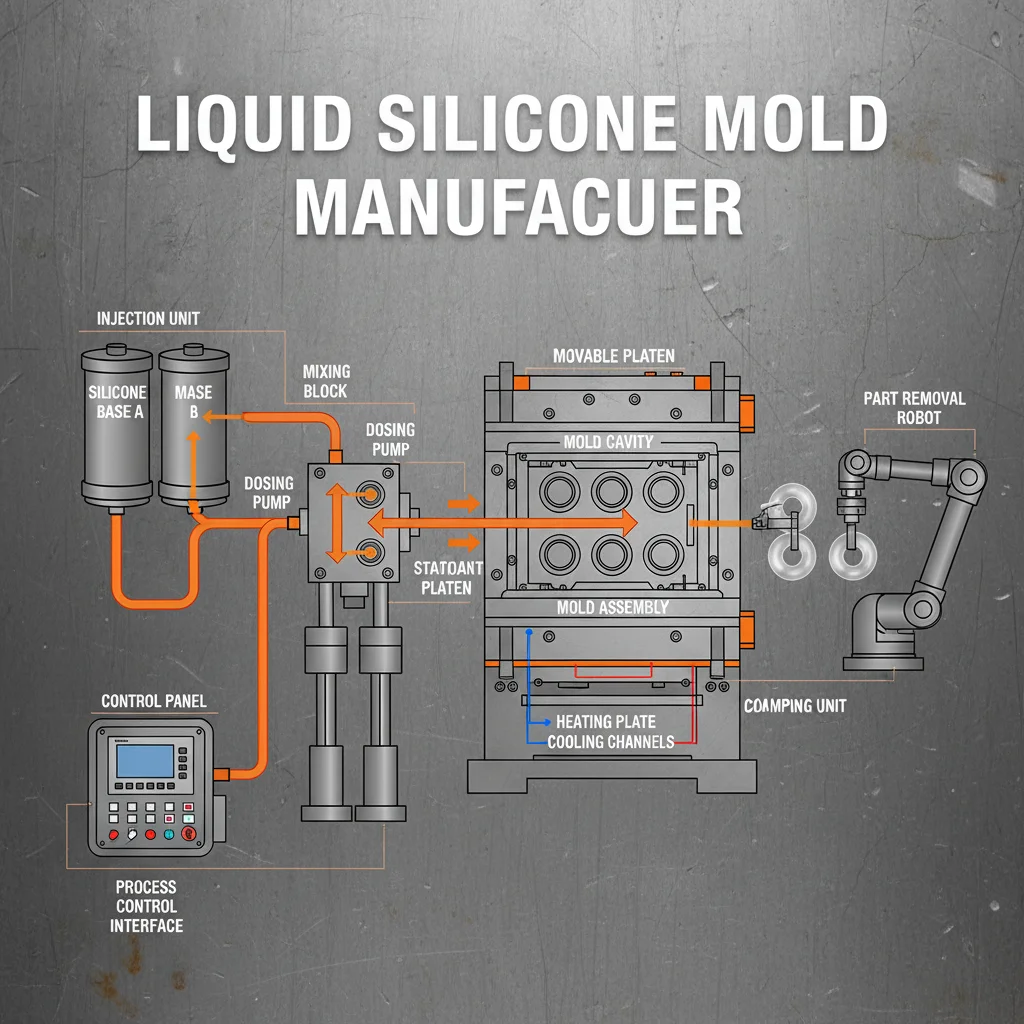
- Advanced precision: Equipped with 55 LSR molding machines and 80 automated injection machines, enabling tight dimensional tolerances compatible with AS9100D and FAA standards.
- OEM & ODM flexibility: Customized tank design and tooling options support your specific aerospace application needs.
- Robust testing capabilities: Over 20 advanced instruments for leak detection, pressure endurance, and material integrity under extreme aerospace operational conditions.
- Experienced technical support: Our engineering team partners closely with clients to optimize installation and maintenance, reducing lifecycle costs.
Versatile Application Scenarios & Practical Buyer Insights
Aerospace tanks are essential components in:
- Commercial aviation: Fuel tanks, oil reservoirs, and hydraulic accumulator vessels designed to withstand variable pressure and vibration.
- Spacecraft systems: Cryogenic fuel storage and pressurization tanks requiring exceptional thermal stability and weight constraints.
- Military aircraft: Ballistic-resistant tanks with damage tolerance and rapid repair features.
- Unmanned aerial vehicles (UAVs): Lightweight customized fluid storage catering to long endurance missions.
Buyer consideration tip: Prioritize suppliers who understand aerospace installation challenges such as vibration isolation and ease of integration with avionics. Some tanks require tailored mounting brackets or anti-corrosion coatings for harsh environments. This reduces downtime and extends operational readiness.
Remember, logistics for aerospace tanks often involve containerized overseas shipping with attention to packaging that avoids deformation or contamination. Supplier transparency in lead times and export documentation expedites customs clearance and project schedules.
Certifications & Factory Strengths to Secure Your Supply Chain
The aerospace industry's demand for traceability and compliance is unforgiving. Our factory adheres to:

- AS9100D Quality Management System — Certified to ensure process consistency, risk management, and continual improvement.
- ISO 9001:2015 Compliance in design, production, and delivery phases for reliable quality assurance.
- FAA 145 Certified Subcontractor Support for aviation-approved parts.



Our expansive 35,000 sqm industrial park supports sophisticated production lines, including over 100 precision machining and molding machines. This scale helps mitigate risks associated with sub-tier supplier dependency and supports large-volume aerospace projects with flexible production capacity.
Buyer FAQ & Procurement Guidance
- Q: What is the typical lead time for aerospace tank orders?
- Depending on complexity and volume, production cycles range from 6 to 12 weeks. Early engagement with engineering teams helps optimize tooling and supply chain timing.
- Q: Can the tanks be customized for pressure ratings?
- Yes, tanks can be engineered to meet specific maximum allowable working pressures (MAWP). We conduct FEA analysis and pressure tests to validate designs.
- Q: What inspection protocols are applied?
- All tanks undergo pressure testing, leak detection with helium tracer methods, and dimensional inspections per aerospace standards before shipment.
- Q: Is OEM/ODM manufacturing available?
- We offer tailored OEM solutions including design collaboration, prototype development, and full-volume production. ODM services for standard tank models with minor adaptations are also supported.
Real Customer Voices: Procurement and Engineering Feedback
“Our defense contractor onboarding required tanks with exacting pressure specs and traceability. Yingtai provided excellent support, with punctual deliveries and QC reporting. Reduced our supplier onboarding delay significantly.”
– Mark Peters, Procurement Manager, AeroDef Solutions, USA
“The customized composite tanks met our UAV weight targets while maintaining durability. Thanks to the engineering team's collaboration, installation was straightforward and maintenance cycles are on track.”
– Sophia Li, Systems Engineer, SkyTech Drones, Canada
“After switching suppliers to Yingtai, we noticed fewer seal failures and higher batch consistency. Their equipment and quality control systems give us confidence for long-term aerospace programs.”
– James Rodriguez, Operations Director, SkyHigh Aero Components, Mexico




Export Director & Industrial Engineer, Guangdong Yingtai High Precision Technology Co., Ltd.