
“Working with Yingtai has been a pragmatic choice for our electric vehicle seal parts. Their expertise on LSR combined with durable steel moulds shortened our pilot phase considerably. We appreciated the transparent communication throughout.”

Automobile Mould
By Henry Lawson , Export Director The automotive sector’s push for lightweight, durable, and high-precision components is reshaping how moulds are designed and manufactured. Automobile moulds must meet increasingly stringent demands—from tight tolerances and
Product Details
Automobile Moulds: Precision Engineering for Tomorrow’s Vehicles
By Henry Lawson, Export Director 
Navigating Industry Challenges & Market Trends
The automotive sector’s push for lightweight, durable, and high-precision components is reshaping how moulds are designed and manufactured. Automobile moulds must meet increasingly stringent demands—from tight tolerances and complex cavity designs to material versatility to withstand varying environmental stresses.
Across the United States and other English-speaking markets, procurement directors and technical engineers encounter persistent challenges:
- Material Compatibility: Selecting moulds that withstand thermal cycling, UV exposure, and chemical contact without compromising component integrity.
- Lead Time Sensitivity: OEMs expect accelerated delivery along with just-in-time logistics—pressuring manufacturers to shorten design-to-production cycles without sacrificing quality.
- Cost-Quality Balance: Commercial buyers juggle budgets versus the long-term performance and durability that affect warranty and recall risks.
- Technological Complexity: Integrating multi-shot or overmolded parts requires masterful control of injection parameters and tooling precision.
Moreover, the global market's upward trajectory, documented in industry reports, stresses the importance of durable, precision-engineered moulds. Growth in electric vehicle manufacturing and advanced driver assistance systems (ADAS) creates niche demands for customized mould solutions emphasizing tight dimensional accuracy and material porosity control.
Choosing the right mould supplier is thus critical for downstream success—especially regarding process knowledge, ISO/TS standards compliance, and capacity to scale efficiently.
Technical Insights: Materials & Construction of Automobile Moulds
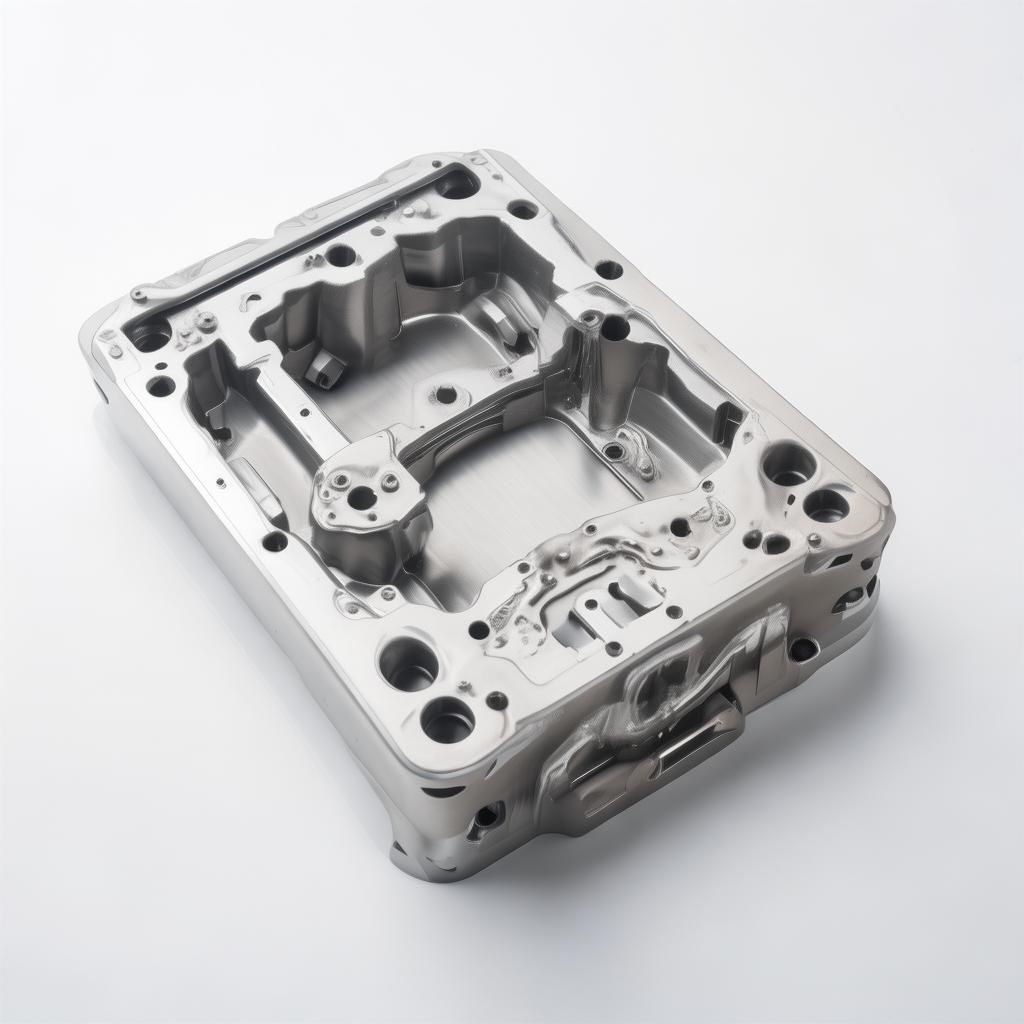
Automobile moulds predominantly employ engineered tool steels such as H13, P20, or S136 stainless steel designed for high wear resistance and thermal conductivity. These steels assure longevity throughout long production runs, especially critical for injection moulding of durable plastics like polypropylene (PP), ABS, and liquid silicone rubber (LSR).
Yingtai High Precision custom fabricates moulds with precision CNC machining combined with EDM and polishing techniques to meet micron-level tolerance.
| Material | Hardness (HRC) | Use Case | Thermal Conductivity (W/m·K) |
|---|---|---|---|
| H13 Steel | 48-52 | High-temp injection moulding, longer production runs | 27-30 |
| P20 Steel | 28-32 | General purpose moulds with shorter cycles | 20-24 |
| S136 Stainless Steel | 48-52 | Corrosion resistance for medical/food-grade or LSR parts | 18-22 |
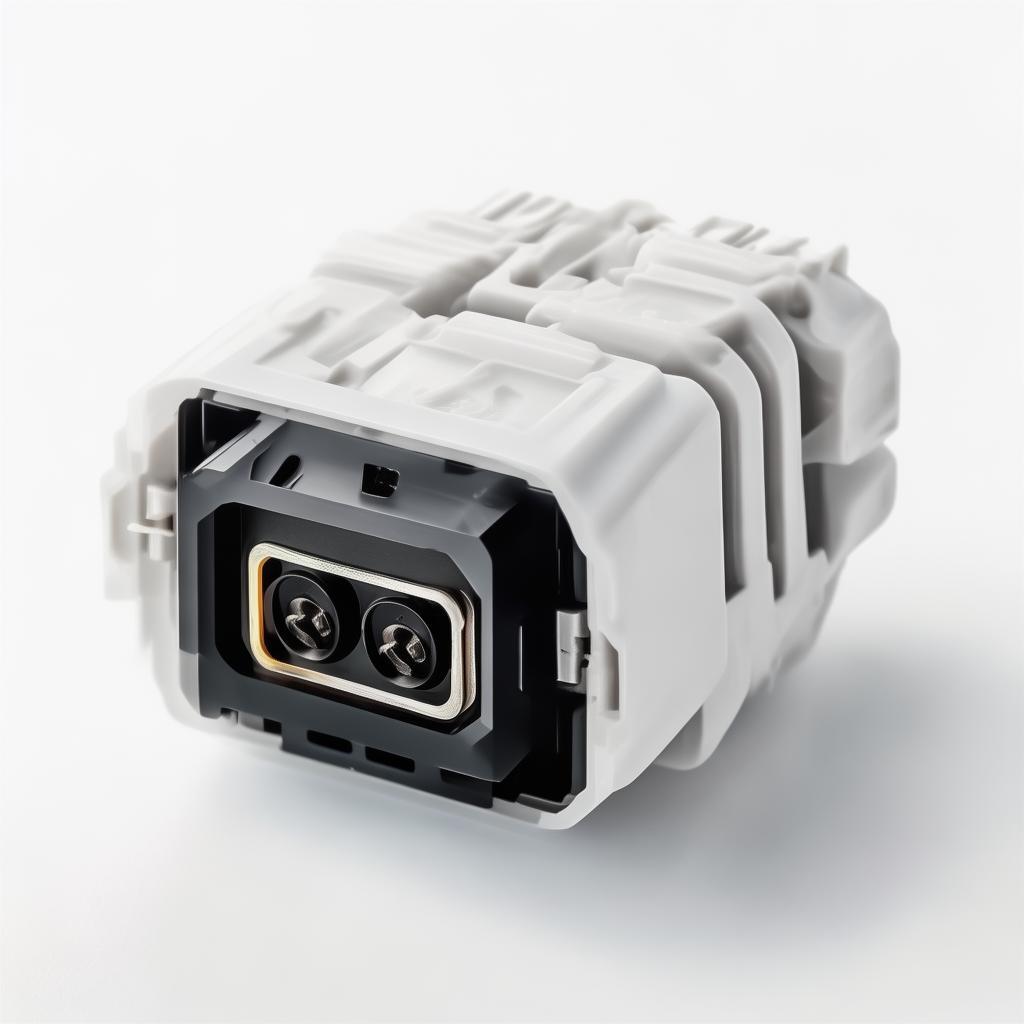
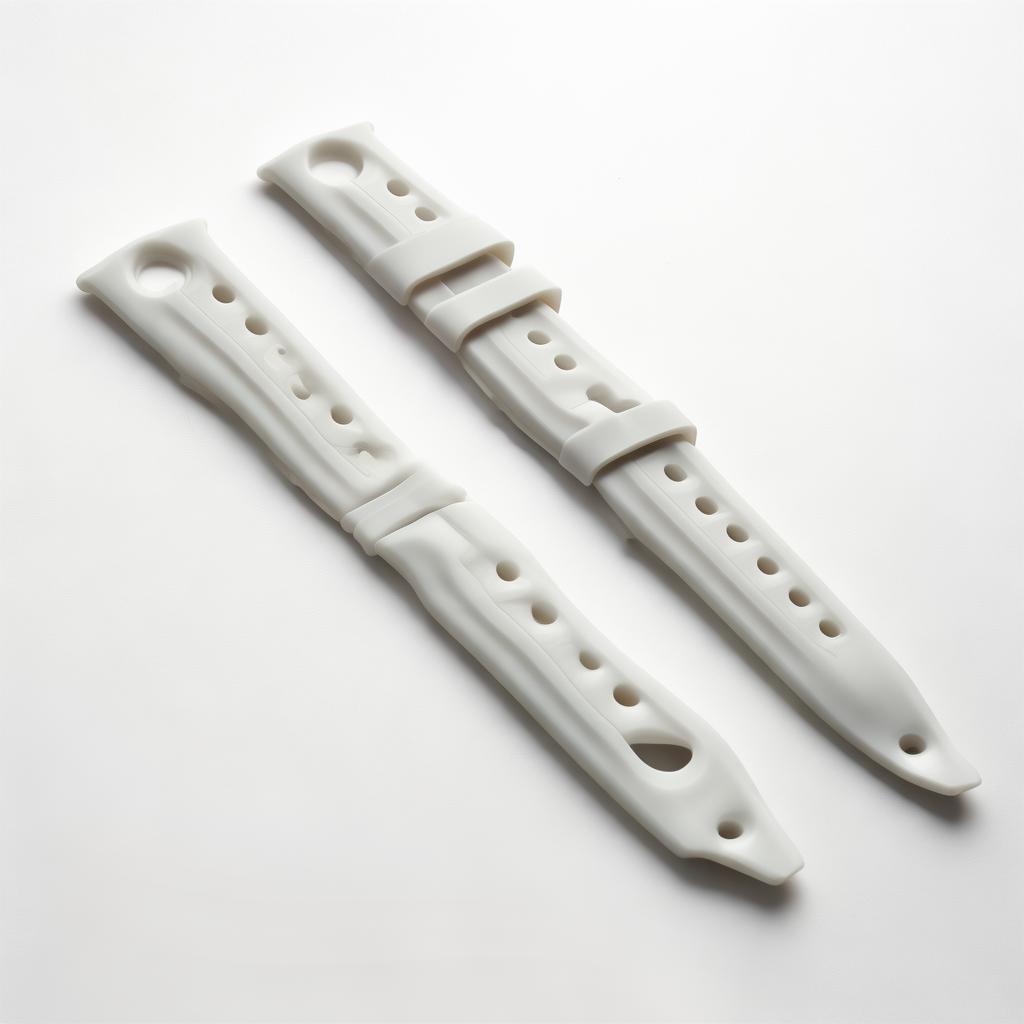
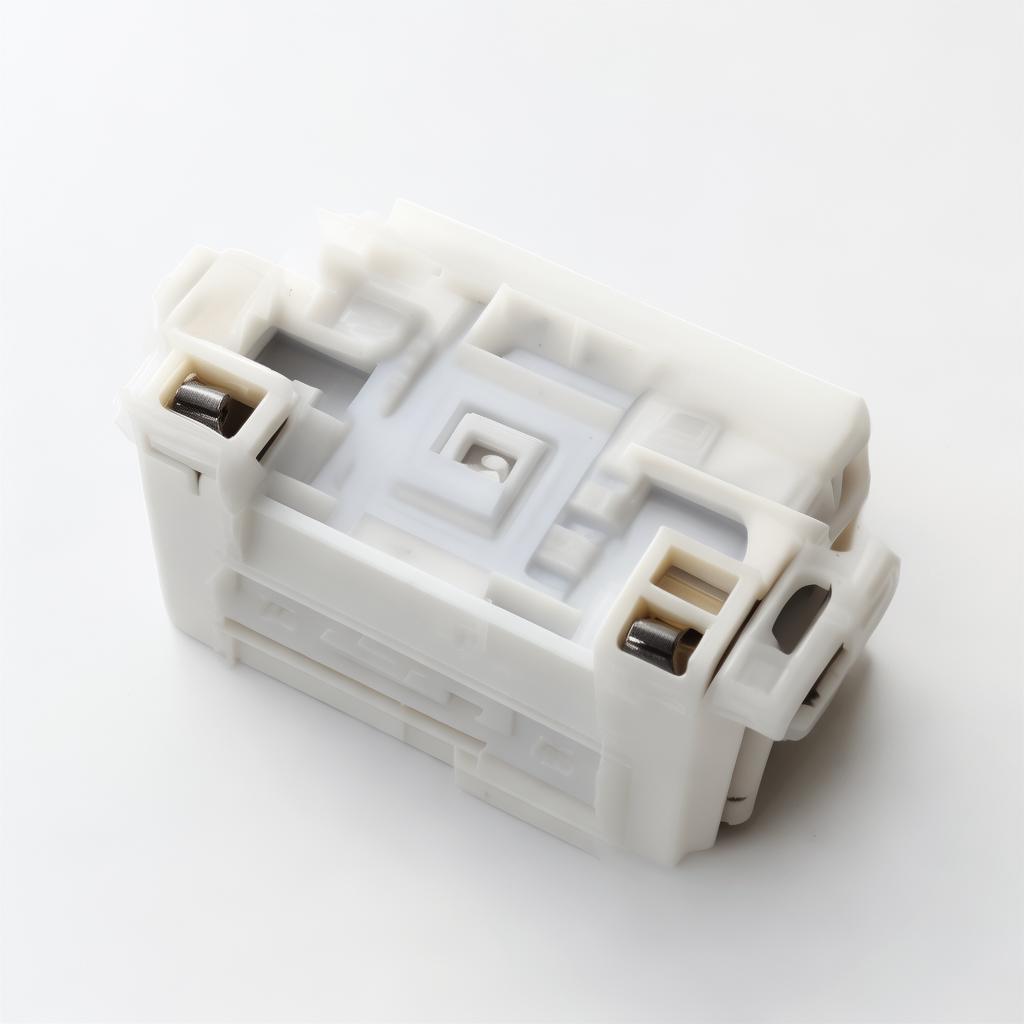
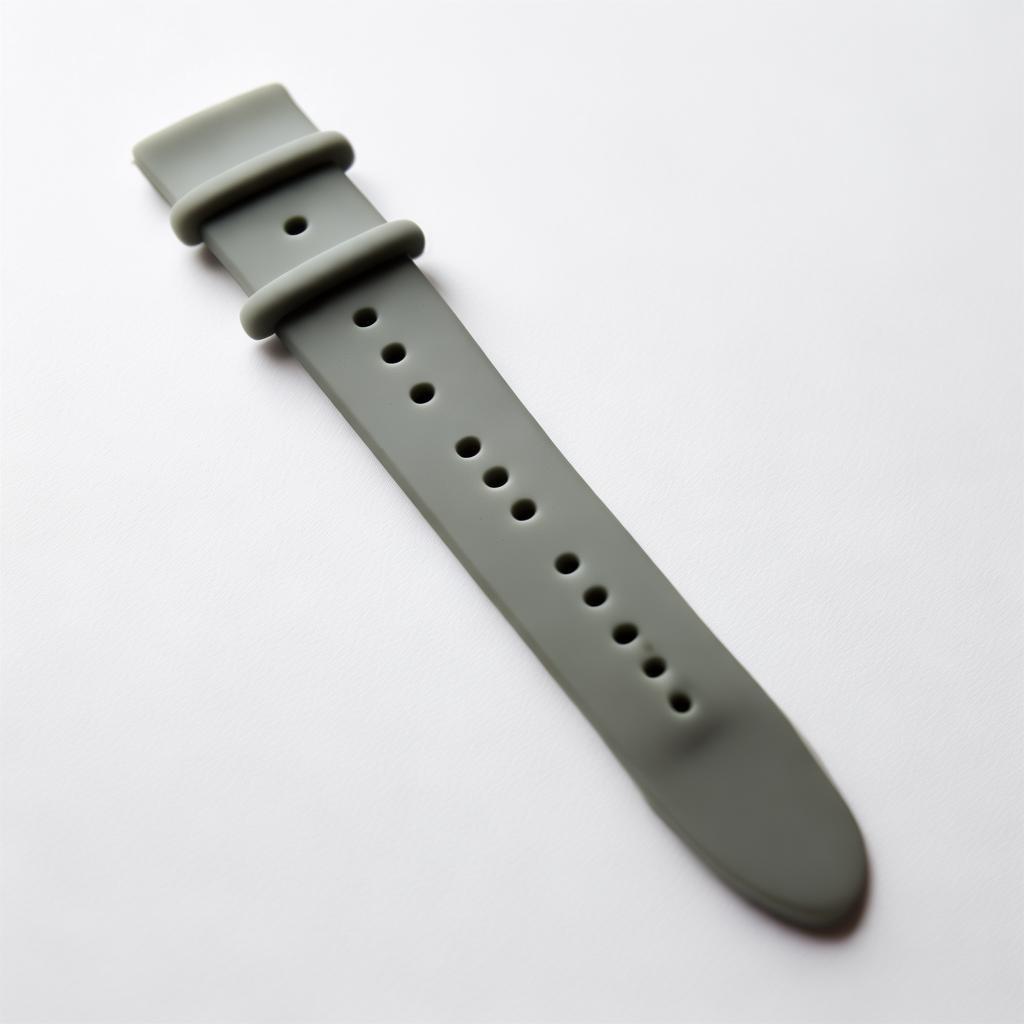
auto mould rubber grommets automotive auto rubber grommets
Note that tooling details like venting channels, cooling circuits, and ejector pin placement play crucial roles to prevent common defects like flash, sink marks, and warping. According to a Fraunhofer study, precise cavity sealing and vent management dramatically reduce waste in LSR moulding and elevate production yields.
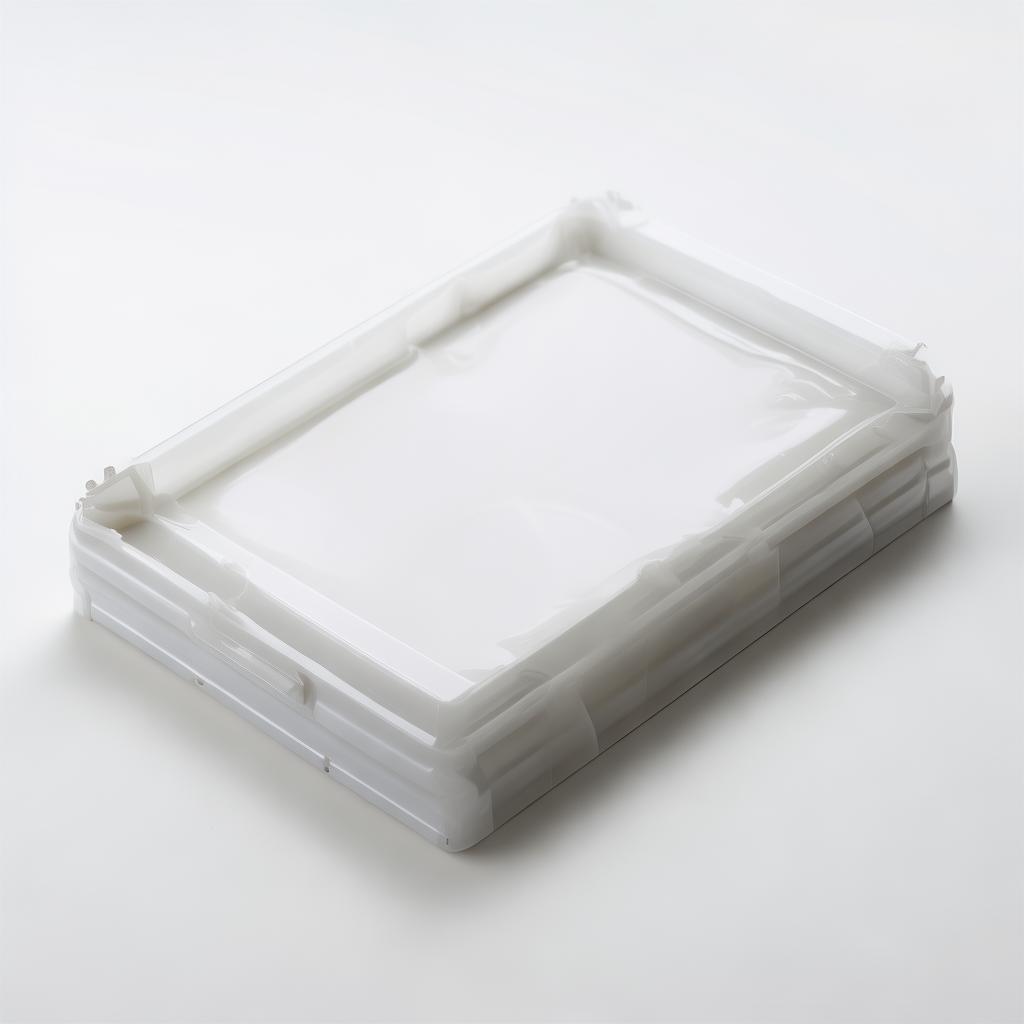
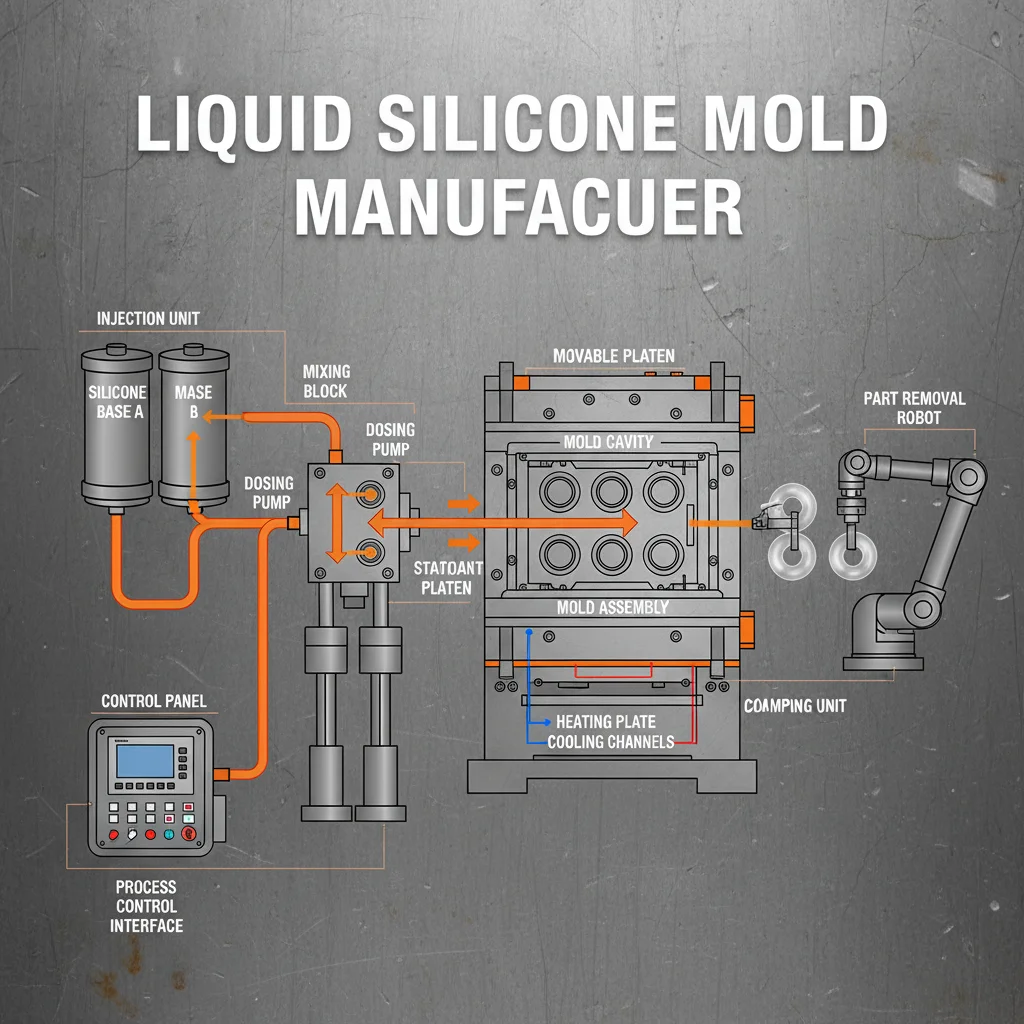
Material-wise, the rise of liquid silicone rubber over the last decade is noteworthy. Silicone’s biocompatibility, heat tolerance, and chemical resistance have made it a must-have particularly for automotive sealing gaskets, sensor housings, and vibration damping parts.
“Our LSR moulding uses a custom-controlled curing cycle calibrated with CAE simulation datasets — reducing cycle times by up to 10% compared to industry averages.” — Yingtai Engineering Team
What Sets Yingtai’s Automobile Moulds Apart?
For technical procurement professionals considering partners, Yingtai’s moulds offer a measured blend of advanced production technology and operational pragmatism:
- Precision Engineering: Sub-0.01mm tolerance machining and optimized cooling channels enable consistent part quality for intricate automotive components.
- Advanced Material Options: Tailored tool steel grades and surface treatments (e.g., nitriding, PVD coatings) extend mould life even under aggressive production conditions.
- Integrated LSR & Overmolding Expertise: Yingtai’s expertise with multi-component and liquid silicone moulding supports rugged seals and soft-touch automotive parts in one workflow.
- Robust Quality Controls: ISO 9001, IATF 16949, and CE certifications guide every stage; comprehensive testing via Nikon microscope and CMM ensures adherence to specs.
- Lifecycle Support: Maintenance-friendly design and on-site tooling refurbishment reduce downtime risk for your production line.
- Export-Ready: Streamlined logistics including container optimization, export packaging, and multi-modal shipping support US-based just-in-time stock management.
Tip for buyers: Always request comprehensive tooling dossiers and cycle simulation data. This reduces surprises during first article inspections and pilot runs.
Guangdong Yingtai High Precision Technology Co., Ltd. – Our Factory At A Glance

With more than 20 years of experience, Yingtai leads the industry in producing automobile moulds that fuel innovations in new energy vehicles, smart wearables, and consumer electronics. Boasting:
- 55 liquid silicone moulding machines and 80 automatic plastic injection moulding presses
- 20 solid silicone hydraulic presses and over 30 precision mould processing centers
- A dedicated R&D team equipped with advanced CAD/CAM, CAE simulation software, and 3D metrology tools
- More than 500 skilled professionals supporting customization and OEM/ODM contracts
Our full in-house capability from mould development to finished product intellectual manufacturing guarantees coherence in quality and improved turnaround.
Certifications & Standards




Smart Procurement: Avoiding Common Pitfalls
Technical buyers juggling high-volume automotive projects often underestimate the subtle complexities of automobile mould procurement. Here are key lessons learned:
- Beware of Under-Engineered Moulds: Cheaper options often sacrifice cavity balancing and cooling efficiency, causing inconsistent injection pressure and warping down the line.
- Plan for Material-Specific Tooling: Tools optimized for polypropylene may not perform well with LSR or thermoplastic elastomers. Confirm mould design aligns with your production materials upfront.
- Asses Supplier Testing Methods: Request original CAE simulation reports and visit factory quality control labs (if possible) to audit procedural rigor.
- Factor In Tooling Maintenance: Proactive maintenance scheduling can prolong mould life by years; neglect can double costs through downtime and retooling demands.
- Logistics Can Be a Hidden Cost: Confirm supplier’s export expertise, packaging standards, and ability to handle customs paperwork for seamless delivery to U.S. facilities.
Early engagement with engineering teams is invaluable. Fine-tuning injection parameters before full-scale production avoids costly trial-and-error cycles and ensures compliance with automotive standards such as IATF 16949.
Need guidance on OEM or ODM options? Our team supports tailored mould design and production adjustments to fit your unique automotive project requirements. Connect with us today.
Frequently Asked Questions
- What is the typical lead time for delivery of a custom automobile mould?
- Lead time varies by design complexity, but generally ranges from 45 to 70 days from order confirmation. Prototyping and CAE iterations may extend this window. Early communication reduces risks of delay.
- Can Yingtai manufacture multi-material moulds for overmolding processes?
- Yes, our factory specializes in multi-component and LSR overmolding, integrating plastics and silicone seamlessly. This is essential for producing flexible gaskets with rigid structural parts.
- What quality control measures are taken during mould production?
- We adhere to ISO 9001 and IATF 16949 standards, utilizing coordinate measuring machines (CMM), surface profilometers, and in-process inspections. Material hardness and polish requirements are thoroughly verified.
- How do you handle packaging and shipping to overseas clients?
- Moulds are securely packed with anti-corrosion treatments, shock-absorbent materials, and sealed crates. We coordinate with freight forwarders familiar with container optimization and customs clearance to minimize transit risks.
- Are samples available before full production runs?
- Sample mould runs or small batch pilot shots can be arranged to verify specifications and fit concerns before mass production, ensuring smooth integration into your manufacturing line.
Customer Insights & Use Case Feedback
Get in Touch
If you have any camping barbeque equipment inquiry, please feel free to contact us.