A comprehensive guide for procurement managers, technical engineers, and B2B distributors seeking dependable black oxide paint solutions with proven industrial strength and export-ready specifications. Black oxide paint occupies a critical niche in industrial finishing,
Product Details
Black Oxide Paint: Industrial Coating with Precision & Durability
A comprehensive guide for procurement managers, technical engineers, and B2B distributors seeking dependable black oxide paint solutions with proven industrial strength and export-ready specifications.
Introduction & Industry Context
Black oxide paint occupies a critical niche in industrial finishing, combining corrosion protection with a sleek black aesthetic widely appreciated in manufacturing and component finishing. Unlike traditional blackening processes that involve chemical baths or heat treatments, black oxide paint systems provide operational versatility by offering a liquid-applied coating that dries into a uniform, adherent film.
This coating solution is increasingly favored across sectors including automotive parts manufacturing, heavy machinery, fasteners, and OEM components because it balances protection with cost efficiency. Its compatibility with various substrates – from steel alloys to mild carbon steel – makes it an accessible choice for procurement teams aiming to reduce handling complexity and supplier count.
For procurement directors and quality managers navigating today's global supply pressures, understanding the nuances of black oxide paint formulations, application methods, and performance criteria is vital. Yields, durability under different environmental conditions, and compliance with specifications such as ISO 17025 corrosion testing or ASTM D714 blister resistance often define supplier selections.
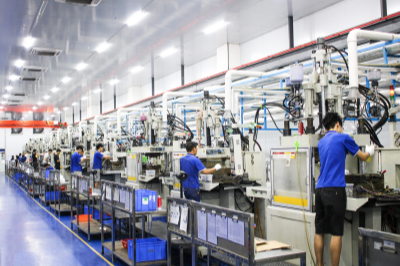
At Guangdong Yingtai High Precision Technology Co., Ltd., with two decades of OEM and ODM injection molding and coating experience, we recognize these industrial demands and design black oxide paint solutions aligned with export-ready standards. Our coatings reflect deep operational knowledge — including surface preparation, drying protocols, and batch traceability — ensuring consistent quality for B2B shipments worldwide.
Globally, manufacturers grapple with balancing coating lifecycle costs against performance longevity and environmental compliance. Black oxide paint offers an alternative to traditional processes like hot blackening which are labor-intensive and environmentally challenging. This liquid coating shortens cycle time and minimizes hazardous waste.
This page distills essential expertise for operators, engineers, and purchasing specialists tasked with black oxide paint sourcing and application. We’ll break down technical factors, showcase application cases, highlight operational best practices, and supply procurement guidance designed for real-world global trade logistics and compliance.
Industry Pain Points in Black Oxide Coatings
Uneven Coating Thickness: Many users face challenges in achieving uniform film thickness, especially in complex geometries where spray or dip methods cause pooling or thin patches.
Poor Adhesion on Varied Substrates: Without control of surface conditioning, black oxide coatings can flake or peel under mechanical stress or humidity exposure.
Limited Corrosion Resistance: Outdated formulations may lack adequate rust protection, especially in salt spray or aggressive chemical environments, leading to premature failures.
Slow Curing Times: Some systems require extended drying or baking steps, slowing line throughput and complicating logistics in high-volume production.
Environmental and Safety Compliance: VOC emissions and hazardous chemical handling complicate factory certification and compliance with regulations such as EPA VOC limits or OSHA safety standards.
Inconsistent Supplier Quality: Variability between batches and unclear certification details can disrupt supply chains and lead to costly QC issues at receiving docks.
These operational headache points should guide procurement's technical evaluation criteria — supplier traceability, data-backed corrosion test results, and clear application instruction manuals should be non-negotiable.
Technical Insights & Material Componentry
At its core, black oxide paint is an engineered blend formulated to form a magnetite (Fe3O4) layer on metal surfaces, delivering characteristic black coloration and enhanced corrosion protection. Key ingredients typically include:
Iron/steel-compatible binders: Acrylic or epoxy resins adapted for metal adhesion.
Corrosion inhibitors: Organic phosphates, molybdates, or zinc salts that provide extended rust resistance.
Matting agents: Silica or other fillers to control gloss level and surface texture.
Pigments: Fine black iron oxide powders ensuring color consistency.
Solvents: Low-VOC solvents or water-based carriers for simplified environmental compliance.
Production techniques harness precision milling and dispersion equipment to achieve particle uniformity and robustness. Our process controls adhere to ISO 9001:2015 and conform with TS 16949 standards requested by automotive clients. The batch-to-batch data archives facilitate traceability and QC certifications.
Technical Specifications for Black Oxide Paint (Standard Formulation)
Distinct Advantages of Black Oxide Paint Over Competing Finishes
Cost Efficiency: Compared to hot blackening and phosphating, liquid black oxide paint systems reduce equipment investment and energy consumption drastically.
Versatile Application: Compatible with spray, dip, and brush techniques, facilitating flexible integration into existing production lines.
Environmental Compliance: Low VOC and water-based formulas help meet stringent EPA and EU environmental regulations without sacrificing film performance.
Enhanced Corrosion Resistance: Formulations fortified with modern inhibitors extend protection beyond traditional blackening methods, particularly in coastal or humid environments.
Reduced Cycle Times: Rapid air drying options mitigate bottlenecks—most coatings cure at ambient temperatures within 30–45 minutes under standard conditions.
Consistent Appearance: Superior pigment dispersion and binder chemistry yield repeatable surface finishes meeting aesthetic demands in automotive and electronics enclosures.
OEM/ODM Capability: Custom formulations available for specialized applications such as ultra-low gloss or fast cure cycles, tailored per customer specifications.
Operational note: To ensure peak adhesion and corrosion resistance, we recommend metal surface preparation including degreasing, light abrasive blasting (SA2.5), and ensuring a dry pre-coat environment to avoid flash rust before application.
Primary Industrial Applications of Black Oxide Paint
Automotive Parts: Fasteners, brake components, chassis parts requiring rust resistance and controlled appearance.
Machinery & Equipment: Industrial tools, hydraulic components, and machine housings that operate in corrosive shop-floor conditions.
Electronics Enclosures: Metal casings that demand anti-glare black finishes with electrical insulation compatibility.
Construction Hardware: Screws, bolts, and anchors exposed to outdoor weathering.
Consumer Appliances: Interior or exterior metal trims needing aesthetic black finishing with anti-fingerprint features.
Aerospace Components: Select application on structural, non-critical components requiring oxidation protection without thermal distortion.
OEM Parts Supplies: Bulk shipments to assembly plants requiring consistent black oxide surface preparation.
Precision coated automotive fasteners ready for export.
Procurement Considerations & Logistics Insights
When sourcing black oxide paint for international shipment, procurement professionals should consider:
Batch Consistency: Insist on supplier-provided batch certificates and test results, including salt spray data and adhesion tests per ASTM and ISO norms.
Material Safety Data Sheets (MSDS): Verify regulatory compliance for hazardous substances, especially for shipments to the US market constrained by EPA VOC limits.
Packaging & Shelf Life: Opt for sealed metal pails or drums with moisture-proof liners to extend product life, typically 12 months at ambient temperature.
Container Loading & Shipping: Weight and volume metrics affect container calculation; black oxide paint is dense, so planning for palletizing to prevent container shifts is essential.
Lead Times & MOQ: OEM/ODM custom colors or properties may impose extended lead times; communicate clearly upfront about order quantities and specification windows.
Technical Support: Partner with suppliers offering application guides, troubleshooting assistance, and onsite training to reduce installation errors and rework.
Testing Facility Access: Suppliers with ISO 17025 accredited labs offer tangible quality assurance benefits over subcontracted testing solutions.
Note: Shipping black oxide paint requires attention to hazardous goods classification and temperature control during transit. Cold climates may thicken coatings requiring equipment pre-heating. Liaise with supplier freight forwarding teams for tailored shipping plans.
Insider Tip: Bulk buyers often reduce packaging costs by ordering 55-gallon drums with fresh batch certifications and arranging for on-site dilution, cutting operational costs in downstream handling.
Q1: What surface preparation steps improve black oxide paint adhesion?
Proper degreasing, light abrasive blasting (SA 2.5), and removal of rust or mill scale are critical. Ensure the surface is dry to prevent flash rust before coating. Some customers use phosphate conversion coatings prior to paint to boost corrosion resistance.
Q2: Can black oxide paint be applied on aluminum or stainless steel?
Standard black oxide paint targets ferrous metals. Specialized formulations or pretreatments are needed for aluminum or stainless; these must be discussed with technical sales before ordering.
Q3: What drying or curing methods are recommended?
Most liquid black oxide coatings cure at room temperature within 30–45 minutes. Baking ovens can accelerate curing but check paint’s thermal tolerance before mandating baking cycles.
Q4: How does black oxide paint perform in salt spray tests?
Quality coatings typically reach ≥96 hours resistance according to ASTM B117 without red rust. Performance varies by formulation; always request certified test reports with each batch.
Q5: Is custom formulation available for OEM needs?
Yes. OEM/ODM customizations for cure time, gloss level, and corrosion inhibitor profiles are offered. Consultation is advised early to accommodate tooling and process changes.
Customer Testimonials & Real-World Experiences
John M., Quality Manager, Midwest Automotive Parts "Switching to Yingtai's black oxide paint cut our rust reject rate by 40%. The improved adhesion and quicker drying times helped us tighten production windows and reduced coating rework."
Get in Touch
If you have any camping barbeque equipment inquiry, please feel free to contact us.