

Chamfered Hole Solutions: Precision, Durability & Operational Efficiency for Industrial Applications
In B2B manufacturing and procurement, specifying the correct chamfered hole is more than a design choice—it's a key operational decision impacting assembly precision, tooling lifespan, and logistics efficiency. Explore expert insights, technical details, and supplier evaluations tailored for purchasing managers and engineers.
Understanding Chamfered Holes: Why Specification Matters Beyond Basics
The term chamfered hole might sound straightforward to many engineers— a conical or beveled edge around a drilled hole to remove sharp corners and improve assembly. Yet, the real-world implications stretch far beyond aesthetics. In industries such as aerospace, automotive, electronics manufacturing, and heavy machinery, the quality, precision, and specification of chamfered holes directly influence product assembly reliability, component lifespan, and even regulatory compliance.
Operationally speaking, a chamfered hole doesn’t just reduce mechanical stress concentrations at the hole edges — it facilitates smoother fastener insertion and alignment, reduces burr-related failures, and assists in achieving tight assembly tolerances. These factors become critical especially when components are exposed to vibrational loads, thermal cycling, or corrosive environments.
From a manufacturing standpoint, decisions around chamfer angle, radius, and surface finish tie directly into tooling wear rates and cycle times. Improper chamfer specifications can cause premature tool degradation, higher scrap rates, and increased downstream rework. For procurement teams, understanding these nuances empowers smarter supplier dialogues, better quality control, and inventory forecasting.
Industry norms often reference standards such as ISO 2768 for general tolerances or ASME B18.2 for fastener seating, which indirectly impact chamfer geometry specifications. Yet, localized production environments and supply chain constraints require tailored interpretations to balance cost and quality — a challenge many purchasing managers face daily.
In the evolving Import/Export landscape, logistics considerations also arise. For example, optimizing hole chamfer to reduce assembly damage risk during shipment can save costly delays at customs or in cross-border quality inspections. Packaging engineers must collaborate with manufacturing to ensure chamfer tolerances align with protective material thicknesses and transport-induced shock mitigation.
This article dives deeper into:
- Common challenges around chamfered holes in modern industrial contexts
- Technical standards and material interplay affecting chamfer performance
- Strategic procurement advice aligned with operational realities
- Real-world application cases and supplier evaluation best practices
Whether you're specifying chamfered holes for high-precision aerospace components or heavy duty industrial assemblies, the interplay of design, material, and manufacturing process details cannot be overstated.
Key Industry Pain Points Around Chamfered Holes
Multiple operational challenges routinely surface in the procurement and manufacturing phases related to chamfered holes:
- Tooling wear and inconsistent chamfer depth resulting in varying assembly fits and fastener misalignment.
- Material incompatibility where softer metals or plastics deform adjacent chamfers under torque, causing leakages or joint loosening.
- Lack of clear specification and tolerance standards that create confusion between suppliers and purchasers across different regions and factory capabilities.
- Missed opportunities for process optimization such as choosing incorrect chamfer geometry leading to longer cycle times and increased reject rates.
- Installation risks including burr-generated injury, fastener damage, or component misorientation due to poor chamfer finishes.
- Logistics complications where fragile chamfers risk chipping during transportation or require costly secondary protective packaging.
Such pain points not only disrupt production scheduling but also inflate total cost of ownership. A typical case we observe from our export work with American manufacturers involves inconsistent chamfer tolerances causing rework rates to rise 3x over a quarter.
Addressing these pain points requires a mixture of robust supplier selection, deep technical understanding, and alignment on international standards. A collaborative quality assurance approach, coupled with clear drawings referencing standards such as DIN 74 or JIS B 0405, lays the foundation for eliminating ambiguities.
Technical Deep Dive: Chamfered Hole Geometry, Materials & Manufacturing Processes
Chamfered holes, at their core, are defined by a beveled edge commonly set between 30° to 45°, though industry-specific applications may require custom angles. Alongside angle, the chamfer radius and surface finish dramatically influence mechanical performance and assembly outcomes.
Chamfer Geometry Parameters
| Parameter | Typical Range | Impact Explanation |
|---|---|---|
| Chamfer Angle | 30° - 45° (Standard) | Facilitates smooth fastener seating, reduces edge stress concentration |
| Chamfer Depth | 0.5 - 3 mm (Typical) | Prevents burrs, improves ease of assembly, affects tool life |
| Surface Finish | Ra 0.8 – 3.2 μm | Directly impacts wear resistance and fastener sealing quality |
blind hole blind tapped hole drain grommet
Material Considerations
The choice of base material has a direct influence on how the chamfered hole behaves in service:
- Aluminum alloys: Lightweight, common in aerospace & electronics; require precise chamfering to prevent edge deformation.
- Stainless steel: Favored in medical & food processing; chamfering must account for hardness to avoid tool wear and heat buildup.
- Engineering plastics (e.g., PEEK, Nylon): Used in automotive and consumer goods; chamfer tolerances must consider material flexibility and creep.
- Composite materials: Present unique challenges; chamfer edges need protective finishing to mitigate delamination.
Manufacturing Methods & Quality Control
Various tooling processes exist for producing chamfered holes, from manual countersinking to CNC machining, laser cutting, and precision die stamping. While manual methods might be cost-effective on low volumes, CNC and laser technologies offer superior repeatability and tight tolerances, critical in high-specification industries.
Metrology tools such as optical comparators, coordinate measuring machines (CMM), and profilometers verify chamfer dimensions and surface finish. Notifications during production runs when chamfer wear exceeds tolerances help avoid large-scale rejects.

For exporters, accommodating variations between international measurement standards (mm vs. inch, ISO vs. ANSI) is essential to avoid cross-border technical ambiguity.
Applications & Material Performance in Chamfered Hole Usage
Chamfered holes find extensive use across multiple key sectors, each imposing distinct requirements for durability, corrosion resistance, and dimensional precision:
- Aerospace & Defense: High tolerance chamfers minimize stress risers on critical airframe fasteners.
- Automotive Manufacturing: Combats vibrational loosening in engine assemblies and transmissions.
- Electronics & Electrical Enclosures: Supports secure, flush mounting for shielding and grounding purposes.
- Medical Device Components: Smooth chamfer finishes prevent micro-cracks in surgical instruments and implants.
- Industrial Machinery: Facilitates robust assembly of high-load bearing joints in hydraulic and pneumatic systems.
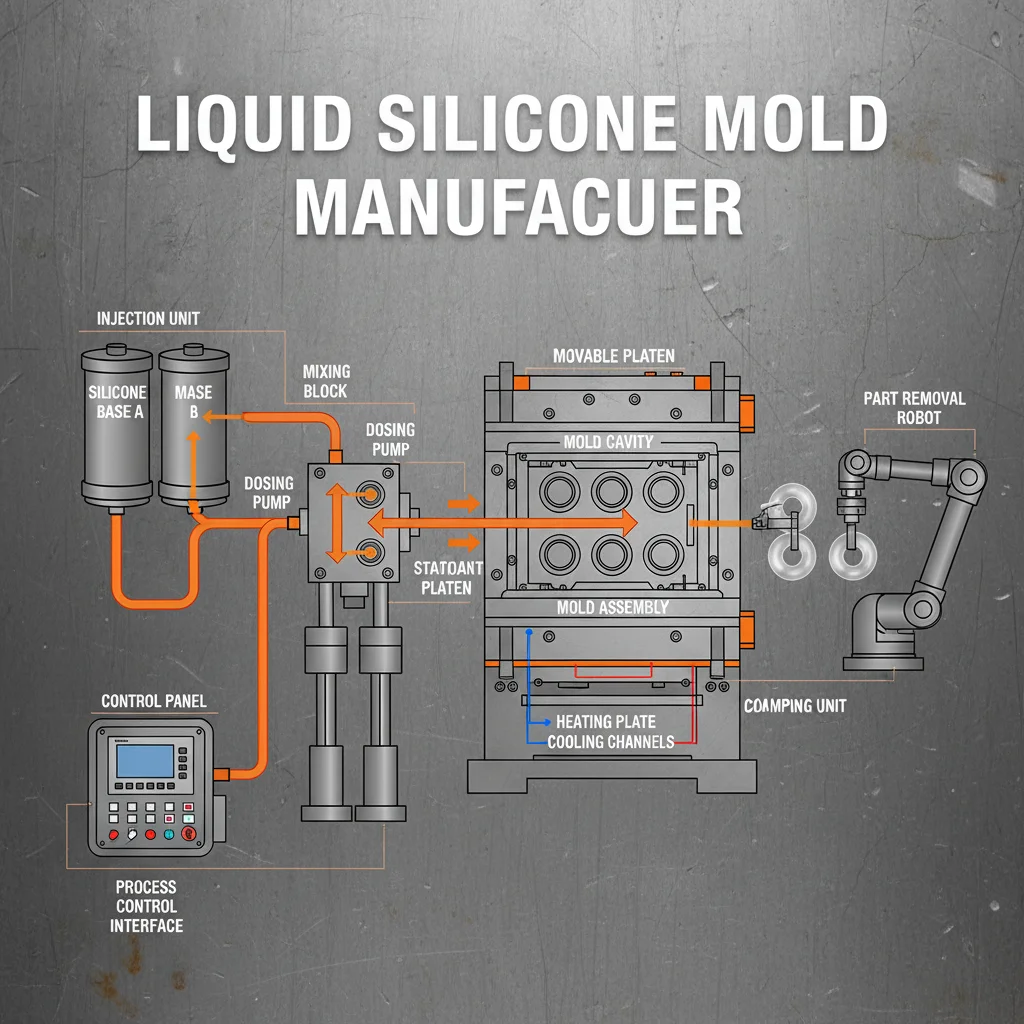
In many cases, chamfered holes are paired with specialized materials like liquid silicone seals or overmolded protective coatings to enhance environmental resistance, a core capability of Guangdong Yingtai High Precision Technology Co., Ltd.’s product range. Our liquid silicone overmolding ensures sealing reliability in harsh conditions, such as new energy vehicles and communication equipment.
Shopping for manufacturers experienced with integration between chamfer geometry and materials like LSR or solid silicone is paramount. Our factory’s commitment to ISO-certified processes and advanced CNC tooling reflects this expertise.
Note: When incorporating chamfered holes into assemblies that involve dynamic loading or sealing, always consider joint fatigue life testing and compliance with ANSI B1.1-2003 for thread fit.
Procurement Guide: Selecting the Right Supplier and Reducing Risks
From a procurement perspective, securing chamfered hole components that fulfill technical specs while minimizing cost overruns and logistical frustration is challenging. We’ve pinpointed key factors to guide purchasing managers and directors:
- Verify technical capabilities: Choose factories with modern CNC equipment and advanced inspection instruments. Yingtai’s investment in 30+ precision molds and real-time quality control offers a direct advantage.
- Review relevant certifications: ISO 9001 quality management, CE compliance for safety, and industry-specific standards underscore process maturity.
- OEM/ODM flexibility: Custom chamfer angles or special materials should be negotiable to meet evolving design needs. A supplier’s R&D footprint often correlates with their adaptability.
- Lead time transparency: Understand realistic delivery windows and buffer for customs clearance. Factories like Yingtai with vertical integrations reduce external delays.
- Cross-border logistics insight: Packaging strategies that protect chamfered edges from damage can reduce claims. Also, inquire about container loading optimization to minimize freight costs.
- Sample evaluation and small batch orders: Initiate with pilot shipments to validate chamfer consistency and assembly fit prior to full production runs.
Avoid common pitfalls like accepting vague quality guarantees or suppliers with insufficient after-sales support. Detailed technical sheets, including chamfer angles, surface finish grades, and material data sheets, are essential deliverables.
Practical tip: During supplier audits, request process flow documentation for hole chamfering and ask for defect rate statistics related to tooling wear and dimensional stability over production cycles.
Frequently Asked Questions About Chamfered Holes
- Q1: What is the typical chamfer angle used in industrial holes?
- Most general applications use angles between 30° to 45°, but this can vary depending on fastener design and assembly requirements. Specialized applications may require tailored angles to improve load distribution or sealing.
- Q2: How does material type affect chamfer production?
- Harder metals like stainless steel require durable tooling and controlled feed rates to prevent heat-induced defects, while plastics need chamfer specs that account for warping and deformation risks post-machining.
- Q3: What quality controls ensure consistent chamfered holes?
- Implementing CMM inspections and surface profilometry during runs helps detect deviations early. Maintaining equipment calibration and training operators on burr removal are equally important.
- Q4: Are there specific logistic challenges related to chamfered holes?
- Yes. Chamfer edges can be delicate, risking chipping during transport. Proper protective packaging or foam padding reduces damage risks and costly rejections on arrival.
- Q5: Can chamfered holes be integrated with overmolded silicone seals?
- Absolutely. Many of Guangdong Yingtai High Precision Technology Co., Ltd.’s customers rely on our expertise in combining liquid silicone overmolding with precision chamfering to deliver fully sealed assemblies.
Customer Reviews & Real-World Feedback

John Matthews, Operations Manager, Ohio
“Ordering chamfered hole components from Yingtai cut our rework costs by 25%. Their consistent chamfer depth and finish made assembly smoother. The technical team was responsive, clearly understanding our specs and local compliance needs.”

Sarah Kim, Procurement Director, Texas
“The OEM customization options made a difference. Yingtai adapted chamfer angles to our automotive fastener designs, reducing tool wear and improving production throughput. Transparent pricing and lead times helped us plan inventory with confidence.”

Lisa Roberts, Technical Engineer, California
“Their technical documentation was detailed, including surface finish and tolerance data which helped me verify design intent remotely. Engaging their exported samples ahead of large orders avoided headaches downstream.”



Ready to Optimize Your Chamfered Hole Procurement?
Guangdong Yingtai High Precision Technology Co., Ltd. combines over 20 years of experience delivering precision chamfered holes tailored to demanding industrial requirements. Our advanced molding and machining capabilities, coupled with deep expertise in liquid silicone overmolding and high-performance plastics, position us as a preferred partner in your global supply chain.
Interested in discussing your project? Reach out directly:
- Phone: +86 17722437688 (Miss Zhang)
- Email: zmm@yingtai168.com / lh@yingtai168.com
- Whatsapp: +86 17722437688
- Address: No. 359 Chang'an Bubugao Road, Chang'an Town, Dongguan City, Guangdong Province
- Visit Our Contact Page for More Info