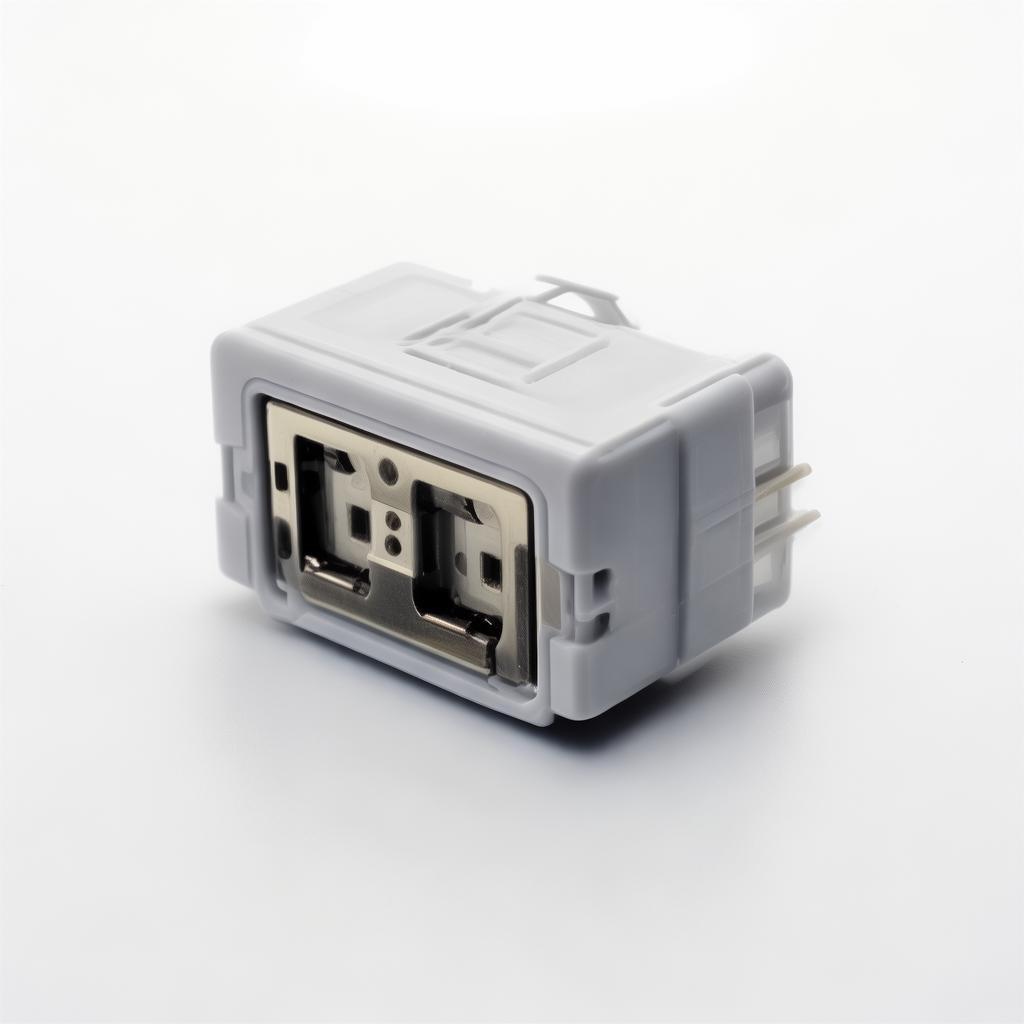
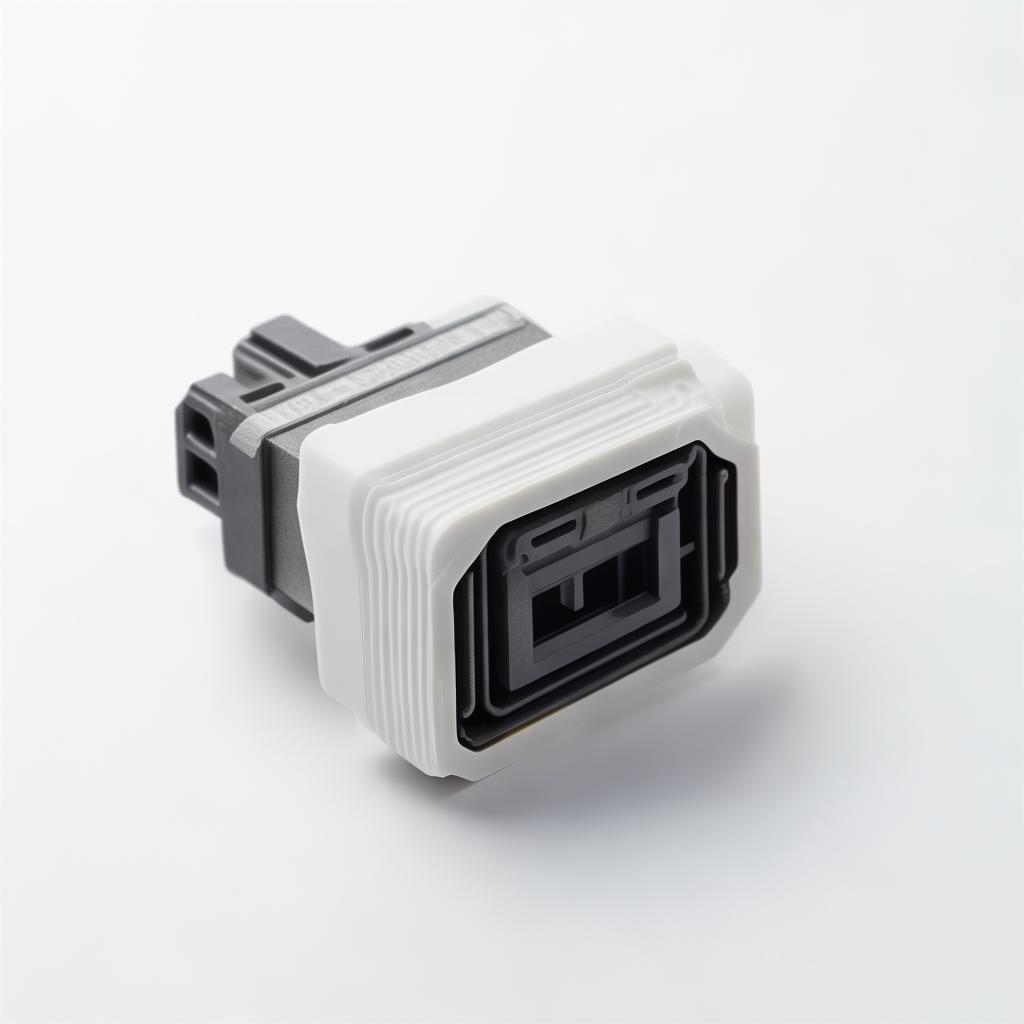
Bead Blast Surface Finish Chart
A detailed guide for purchasing and engineering professionals on bead blast surface finishes — decode finish grades, optimize procurement decisions, and ensure quality outcomes. In industrial manufacturing and precision component finishing, bead blasting remains

Product Details

Bead Blast Surface Finish Chart: Precision, Consistency, and Procurement Insights

A detailed guide for purchasing and engineering professionals on bead blast surface finishes — decode finish grades, optimize procurement decisions, and ensure quality outcomes.

Introduction: Understanding Bead Blast Surface Finishes

In industrial manufacturing and precision component finishing, bead blasting remains a vital surface treatment to achieve uniform matte textures and reduce surface imperfections. For purchasing managers and technical engineers alike, grasping the nuances of bead blast surface finishes can prevent costly mistakes downstream.

A bead blast surface finish chart serves as a standardized guide indicating the approximate surface roughness and visual texture achievable by varying blasting media, pressure settings, and bead sizes. These charts help specify finishes ranging from coarse, rough mattes for industrial parts to ultra-fine satin textures ideal for medical devices or consumer electronics housings.

The process involves propelling tiny spherical abrasive media, usually glass or ceramic beads, under controlled pressure onto component surfaces. Unlike grit blasting, bead blasting produces minimal surface deformation, preserving component tolerances — a critical factor in high-precision applications like aerospace, automotive, and electronics.

For an international supply chain servicing USA, Canada, and other English-speaking markets, clarity on surface finish standards is pivotal. The charts commonly reference standards such as ISO 8501 (surface cleanliness) or SAE AMS 2477, linking blasting parameters with resultant microscale surface profiles measured in microns (µm).

A procurement director once shared, “Without a concrete finish chart and agreed standard, we’d receive inconsistent surface qualities from suppliers in Asia, causing rework and shipment delays.” Thus, incorporating such charts into your RFQ documentation underscores both your expertise and demand for quality.

While many resources focus solely on finish aesthetics, this guide also considers operational factors including media consumption rates, cleaning logistics, and the impact of bead blasting on subsequent coating adhesion — all of which feed into total cost of ownership assessments during supplier negotiations.

We will distill technical data, actionable purchasing advice, and showcase how Guangdong Yingtai High Precision Technology Co., Ltd. leverages advanced bead blasting with ISO-certified processes, bridging manufacturing capability with B2B procurement realities.

Operational Challenges in Bead Blasting: What Buyers and Engineers Face

  • Variability in Surface Roughness: Minor changes in bead size or air pressure can shift surface texture significantly, complicating finish repeatability.
  • Media Contamination and Wear: Recycling beads risks contamination affecting finish quality; procurement must ensure media supplier reliability and consistent inventory.
  • Surface Compliance & Standards: Differing interpretations of finish charts among international suppliers risk non-compliance with ISO or SAE standards, leading to costly inspections or rejections.
  • Post-Blasting Surface Integrity: Excessive blasting time or aggressive media can induce microscopic surface cracks or dimensional changes, jeopardizing component lifespan.
  • Environmental & Logistics Considerations: Bead blast waste disposal, dust containment, and differing import/export requirements for blasting media all impact operational costs and supplier selection.

These challenges underscore the need for a precise bead blast surface finish chart combined with a knowledgeable supply partner aware of both technical and logistical subtleties. Without this, buyers risk delays, quality loss, and excessive overhead.

Bead Blast Surface Finish Chart Explained

Finish Grade Description & Texture Ra Roughness (µm) Typical Applications
Coarse Blast (B70) Rough, matte surface with visible sand-like texture; pronounced non-glossy finish 2.5 – 5.0 Heavy machinery parts, steel fabrication, outdoor industrial components
Medium Blast (B40) Uniform matte with smooth grain; fine pebble texture, non-reflective 1.0 – 2.5 Aerospace parts, automotive trim, pressure vessels
Fine Blast (B20) Satiny smooth finish with minimal texture; fine haze but no shine 0.5 – 1.0 Consumer electronics housings, medical device surfaces
Extra Fine Blast (B12) Silky finish with near polished touch; micro-textured surface 0.2 – 0.5 Wearable tech, precise lenses, luxury product components

16 ra surface finish bead blast texture plastic surface finish chart
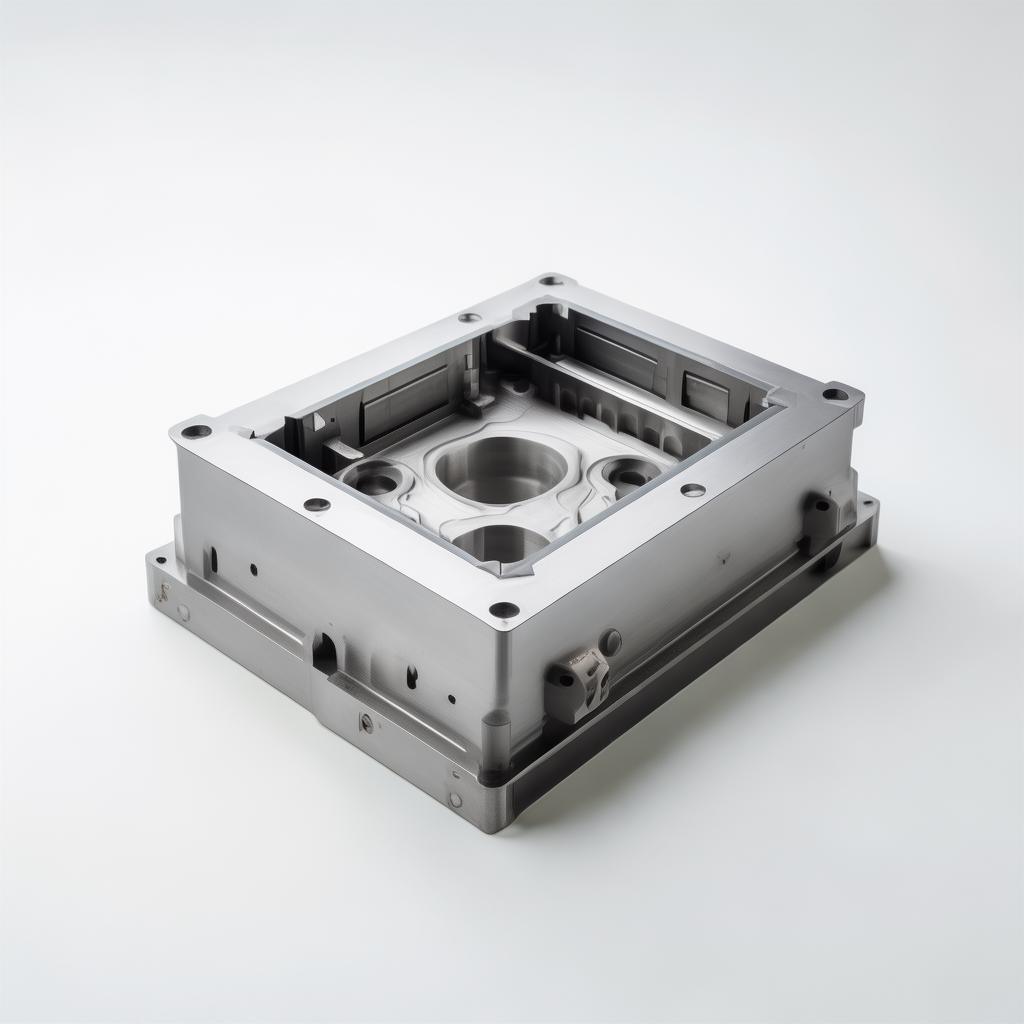
125 Ra Surface Finish

Note: Roughness values (Ra) are approximate and depend on bead size, pressure, and time. Suppliers should provide actual roughness measurement reports with samples — preferably per ISO 25178 or equivalent.

Bead size selection is critical: larger beads (~150–250 microns) create rougher finishes, while microbeads (~30–75 microns) enable finer textures. Controlling air pressure (2–6 bar range) and blasting duration shapes the surface profile within target specs.

Material & Finish Comparison: How Substrate Influences Bead Blast Results

The underlying material significantly impacts the outcome of bead blasting. Here’s a practical comparison of common substrates:

  • Aluminum: Produces even finishes owing to soft metal texture; suitable for fine and extra fine blasts. Beware of over-blasting which may thin delicate parts.
  • Stainless Steel: Harder surface results in slightly coarser textures; corrosion resistance is maintained or enhanced post-blast.
  • Plastic Components (ABS, PC): Limited blasting pressure recommended. High pressures risk surface deformity. Fine beads preferred.
  • Liquid Silicone Rubber (LSR): Sensitive to abrasion; requires minimal pressure and shorter duration; over-blasting causes surface crazing.

For OEM/ODM projects incorporating sophisticated materials like LSR, referencing reports such as the Liquid Silicone Rubber Market Size Report illuminates trends and molding intricacies relevant to bead blast post-processing.

Procurement Best Practices & Supplier Evaluation Tips

Purchasing bead blasted components or finishing services demands a nuanced approach balancing quality, cost, and delivery reliability:

  • Request Detailed Finish Specifications: Embed specific roughness ranges and blast procedures in your purchase order or RFQ. Avoid vague terms like “matte finish” that invite inconsistent results.
  • Sample Approval: Demand physical or photographic samples matching your finish grade prior to production. Confirm compliance via surface profilometer data whenever possible.
  • Supplier Capabilities: Verify use of calibrated blasting equipment, quality blasting media (glass/ceramic bead specifications), and adherence to international finish standards (ISO 8501-1, SAE AMS 2477).
  • Lead Time Transparency: Discuss actual cycle times including blasting, cleaning, and inspection phases to plan production and shipments accurately.
  • OEM/ODM Flexibility: Opt for factories with integrated production — such as Guangdong Yingtai — where molding, blasting, and finishing align to deliver consistency and reduce handling defects.
  • Environmental Compliance: Ensure your supplier complies with relevant export/import environmental rules for blasting media disposal and dust control to avoid regulatory risks.

Remember, bead blasting is not a mere finishing step. It influences downstream coating adhesion and part durability. Neglect in specifying / verifying finishes often leads to corrosion, cosmetic flaws, or premature wear.

Certifications & Quality Controls Backing Reliable Finishes

Your international supplier’s certifications signal their commitment to consistent quality and compliance:

  • ISO 9001: Quality management systems ensure documented processes and continuous improvement.
  • ISO 14001: Environmental management standard vital when blasting media disposal is concerned.
  • SAE AMS 2477: Aerospace standard specifically covering bead blasting procedures and finish classes.
  • RoHS / REACH Compliance: Guarantees blasting materials and finishes meet material safety and environmental restrictions, particularly important for consumer electronics.
  • Third-Party Surface Roughness Verification: SGS or equivalent inspection certification upon request.
ISO Certification CE Certification RoHS Compliance
Typical certifications held by reputable bead blast finish suppliers.

Buyer FAQs: Practical Answers From Industry Insiders

Q: How to verify if the bead blast finish meets the specification?
Request profilometer readings to measure surface roughness (Ra value). Visual inspection under consistent lighting helps but isn’t definitive. Ask for finish process data and batch media info.
Q: Can bead blasting affect dimensional tolerances?
Yes. Excessive blasting or hard media may erode edges or thin thin-section parts. Ensure your supplier controls blasting time and media type accordingly, especially for precision or medical components.
Q: Is bead blasting compatible with all coating types?
Generally yes, bead blast finishes improve paint and powder coating adhesion by roughening surfaces uniformly – but check compatibility with your exact coating system and substrate.
Q: What are logistical considerations for importing bead blasted products?
Consider packaging that prevents damage to matte finishes during transit. Also inquire about wastage & disposal of blasting media under customs rules and container loading efficiency for bulk orders.

Customer Insights & Reviews: Real-World Experiences

Jason M., Procurement Manager

Jason M., Procurement Manager, San Diego, CA

“Switching to Guangdong Yingtai for our bead blast finish needs improved consistency drastically. Surface textures align with our SAE AMS 2477 specifications every batch, minimizing rework. Their detailed finish charts gave us confidence in supplier capabilities upfront.”

Get in Touch