Introduction: Understanding Bead Blast Surface Finishes
In industrial manufacturing and precision component finishing, bead blasting remains a vital surface treatment to achieve uniform matte textures and reduce surface imperfections. For purchasing managers and technical engineers alike, grasping the nuances of bead blast surface finishes can prevent costly mistakes downstream.
A bead blast surface finish chart serves as a standardized guide indicating the approximate surface roughness and visual texture achievable by varying blasting media, pressure settings, and bead sizes. These charts help specify finishes ranging from coarse, rough mattes for industrial parts to ultra-fine satin textures ideal for medical devices or consumer electronics housings.
The process involves propelling tiny spherical abrasive media, usually glass or ceramic beads, under controlled pressure onto component surfaces. Unlike grit blasting, bead blasting produces minimal surface deformation, preserving component tolerances — a critical factor in high-precision applications like aerospace, automotive, and electronics.
For an international supply chain servicing USA, Canada, and other English-speaking markets, clarity on surface finish standards is pivotal. The charts commonly reference standards such as ISO 8501 (surface cleanliness) or SAE AMS 2477, linking blasting parameters with resultant microscale surface profiles measured in microns (µm).
A procurement director once shared, “Without a concrete finish chart and agreed standard, we’d receive inconsistent surface qualities from suppliers in Asia, causing rework and shipment delays.” Thus, incorporating such charts into your RFQ documentation underscores both your expertise and demand for quality.
While many resources focus solely on finish aesthetics, this guide also considers operational factors including media consumption rates, cleaning logistics, and the impact of bead blasting on subsequent coating adhesion — all of which feed into total cost of ownership assessments during supplier negotiations.
We will distill technical data, actionable purchasing advice, and showcase how Guangdong Yingtai High Precision Technology Co., Ltd. leverages advanced bead blasting with ISO-certified processes, bridging manufacturing capability with B2B procurement realities.
Bead Blast Surface Finish Chart Explained
| Finish Grade |
Description & Texture |
Ra Roughness (µm) |
Typical Applications |
| Coarse Blast (B70) |
Rough, matte surface with visible sand-like texture; pronounced non-glossy finish |
2.5 – 5.0 |
Heavy machinery parts, steel fabrication, outdoor industrial components |
| Medium Blast (B40) |
Uniform matte with smooth grain; fine pebble texture, non-reflective |
1.0 – 2.5 |
Aerospace parts, automotive trim, pressure vessels |
| Fine Blast (B20) |
Satiny smooth finish with minimal texture; fine haze but no shine |
0.5 – 1.0 |
Consumer electronics housings, medical device surfaces |
| Extra Fine Blast (B12) |
Silky finish with near polished touch; micro-textured surface |
0.2 – 0.5 |
Wearable tech, precise lenses, luxury product components |
16 ra surface finish bead blast texture plastic surface finish chart
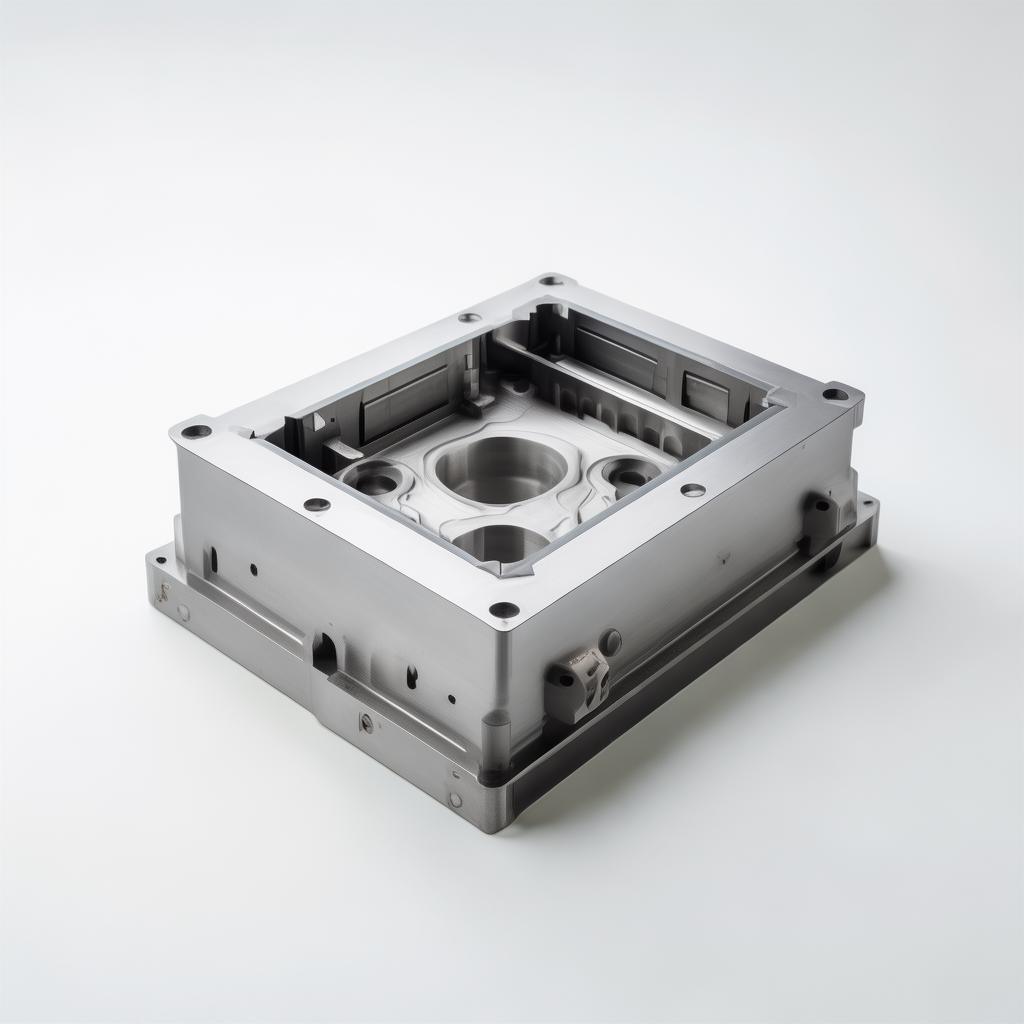
Note: Roughness values (Ra) are approximate and depend on bead size, pressure, and time. Suppliers should provide actual roughness measurement reports with samples — preferably per ISO 25178 or equivalent.
Bead size selection is critical: larger beads (~150–250 microns) create rougher finishes, while microbeads (~30–75 microns) enable finer textures. Controlling air pressure (2–6 bar range) and blasting duration shapes the surface profile within target specs.
Procurement Best Practices & Supplier Evaluation Tips
Purchasing bead blasted components or finishing services demands a nuanced approach balancing quality, cost, and delivery reliability:
- Request Detailed Finish Specifications: Embed specific roughness ranges and blast procedures in your purchase order or RFQ. Avoid vague terms like “matte finish” that invite inconsistent results.
- Sample Approval: Demand physical or photographic samples matching your finish grade prior to production. Confirm compliance via surface profilometer data whenever possible.
- Supplier Capabilities: Verify use of calibrated blasting equipment, quality blasting media (glass/ceramic bead specifications), and adherence to international finish standards (ISO 8501-1, SAE AMS 2477).
- Lead Time Transparency: Discuss actual cycle times including blasting, cleaning, and inspection phases to plan production and shipments accurately.
- OEM/ODM Flexibility: Opt for factories with integrated production — such as Guangdong Yingtai — where molding, blasting, and finishing align to deliver consistency and reduce handling defects.
- Environmental Compliance: Ensure your supplier complies with relevant export/import environmental rules for blasting media disposal and dust control to avoid regulatory risks.
Remember, bead blasting is not a mere finishing step. It influences downstream coating adhesion and part durability. Neglect in specifying / verifying finishes often leads to corrosion, cosmetic flaws, or premature wear.