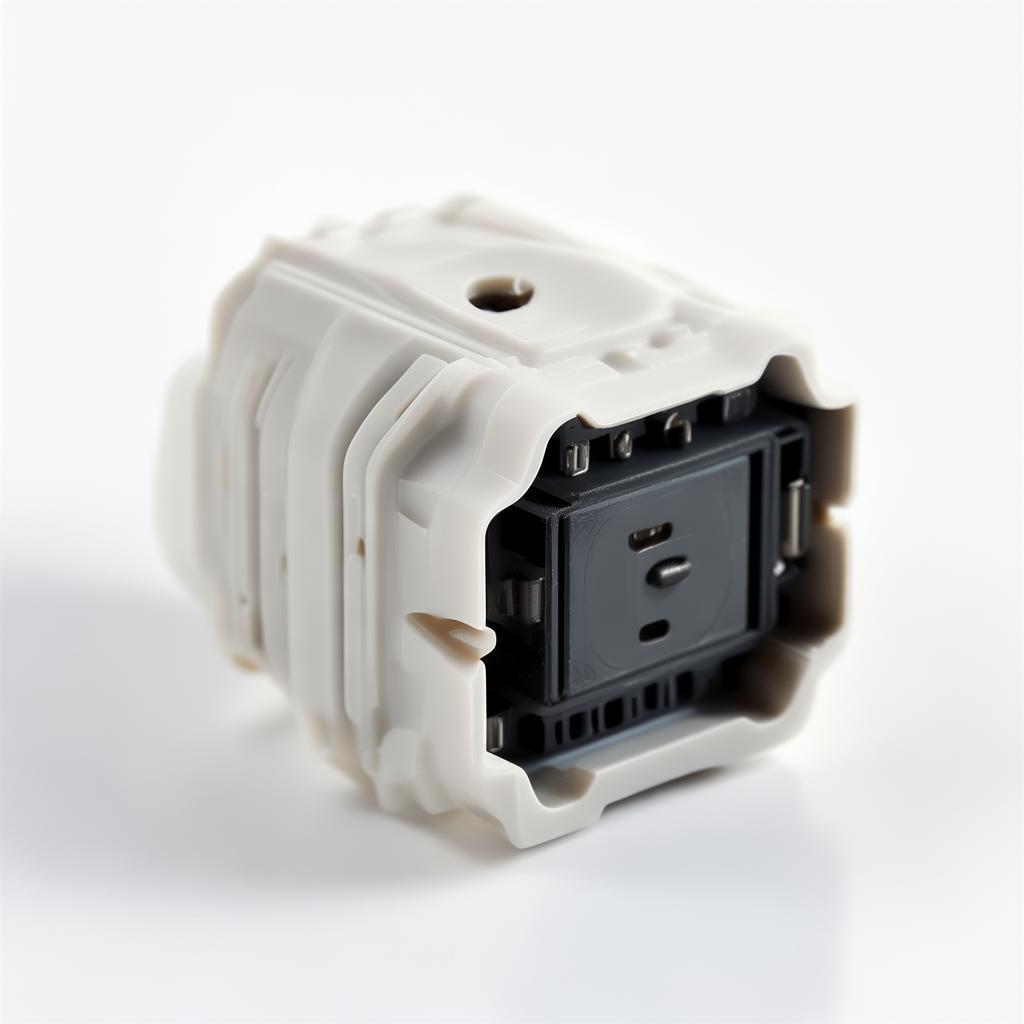
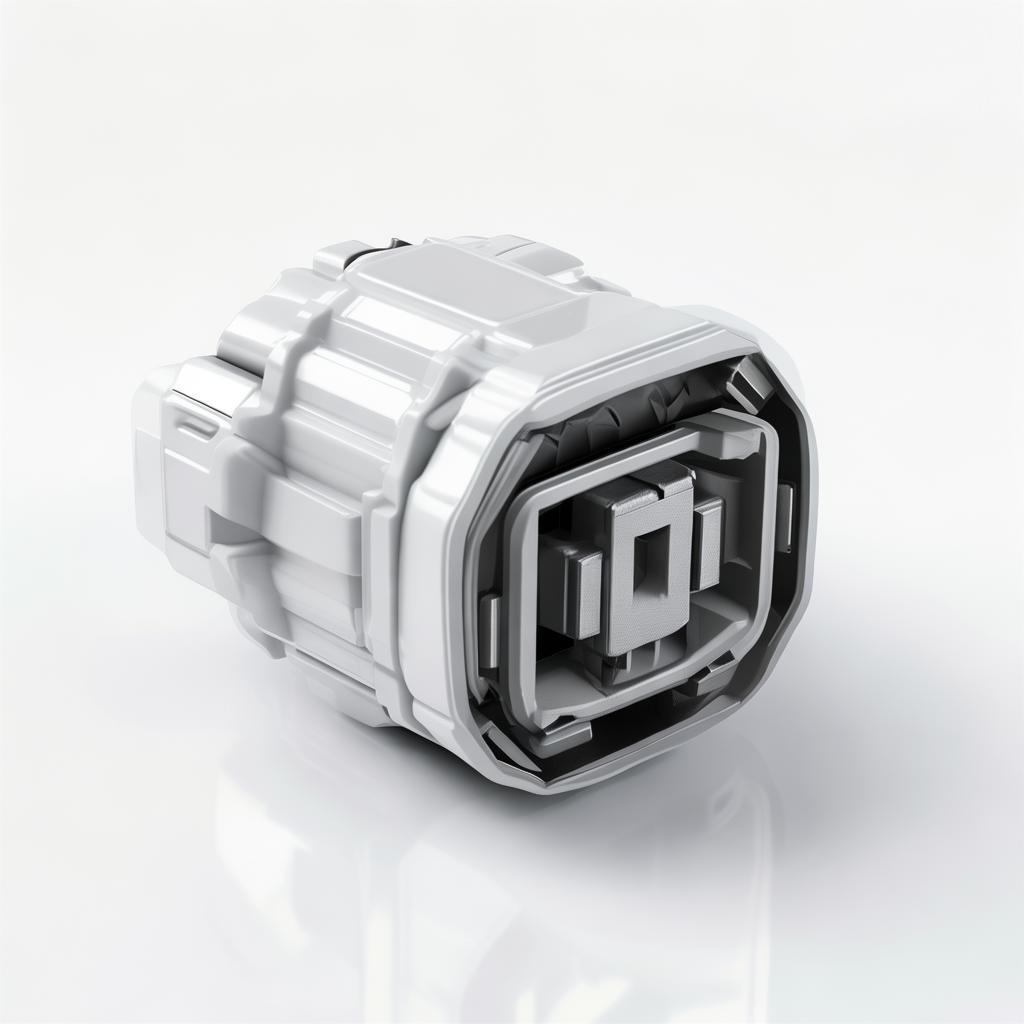
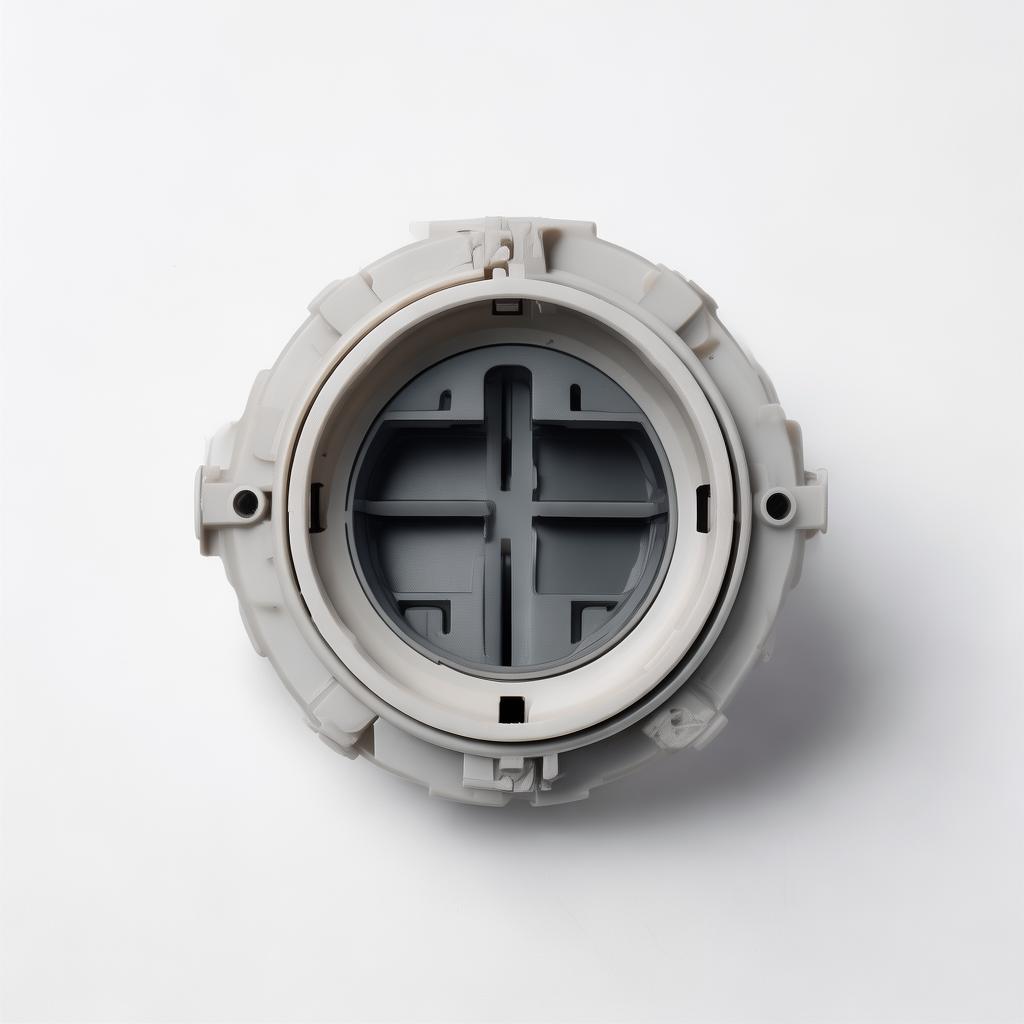
Understanding bead blast texture and its critical role in enhancing surface quality, manufacturing integrity, and procurement value in B2B industrial contexts. Bead blast texture is more than a surface finish—it’s a crucial process in
Product Details
Bead Blast Texture: The Industrial Finish Transforming Precision Surfaces
Understanding bead blast texture and its critical role in enhancing surface quality, manufacturing integrity, and procurement value in B2B industrial contexts.
Introduction: Why Bead Blast Texture Matters in Industrial Finishing
Bead blast texture is more than a surface finish—it’s a crucial process in precision manufacturing, impacting everything from aesthetics to mechanical performance. In metal fabrication, aerospace components, automotive parts, and medical device production, bead blasting imparts a controlled matte finish that reduces glare, removes surface imperfections, and improves adhesion for coatings.
Unlike harsher finishing methods, bead blasting uses fine abrasive beads—typically glass, ceramic, or steel—to gently yet effectively treat surfaces. This process creates a uniform satin or matte texture that enhances corrosion resistance and prepares the substrate for further processing or direct use.
Industrial purchasers and procurement professionals often face challenges selecting the right finishing process tailored to specific materials and functional goals. Understanding the nuances of bead blast texture not only helps optimize your product performance but also reduces rework risk and aligns with stringent industry standards.
Considering the market drivers: the global trend toward precision surface finishes has intensified as industries demand tighter tolerances and superior finishes, especially in sectors such as aerospace and medical instrumentation. With growing competition and innovation in manufacturing technologies, bead blasting stands out for its balance of efficiency, cost-effectiveness, and high-quality output.
Operationally, bead blasting can be applied across a range of substrates, including aluminum, stainless steel, brass, and even plastics with reinforced surfaces. As opposed to alternatives like sandblasting—which may be overly aggressive—or chemical polishing—which introduces handling and environmental concerns, bead blasting is prized for its consistency and environmental friendliness when using recyclable media.
For procurement specialists, comprehensive knowledge about bead blast texture involves evaluating factors like bead size and material, pressure settings, and blasting time, as each parameter directly influences surface roughness (Ra), adhesion potential, and final functional properties. Additionally, adherence to standards such as ISO 8501 for surface cleanliness and preparation can be critical.
In summary, bead blast texture exists at the intersection of manufacturing precision and functional finishing, offering a reliable, scalable solution with proven performance records internationally—especially across North America, Europe, and Asia markets where industrial standards and certifications drive supplier selection and quality assurance.
Common Pain Points & Operational Challenges in Surface Finishing
Through years of consulting with industrial manufacturers and production managers, several recurring challenges with surface finishing processes emerge, especially around bead blast texture:
Inconsistent Surface Quality: Variations in blast media or machine parameters cause uneven textures, leading to downstream coating failures or aesthetic complaints.
Over-Blasting Risks: Excessive blasting can cause dimensional inaccuracies, introducing costly rework or rejected parts.
Substrate Sensitivity: Materials like soft aluminum or thin stainless steel require precise control of blasting pressure to avoid damage.
Environmental and Health Concerns: Recycling blast media and dust control are critical for compliance with safety and environmental regulations.
Logistics & Lead Time: Optimizing bead blasting within tight production cycles without bottlenecks is challenging for suppliers lacking automated or high-throughput systems.
Procurement teams frequently encounter these issues during supplier evaluation or quality audits. Without operational transparency or technical know-how, specifying bead blast finishes can devolve into trial-and-error, increasing project risk and cycle time.
In industrial B2B trade, managing these pain points demands close collaboration with specialized manufacturers who understand blast media selection, machine calibration, and quality control procedures adhering to standards like ASTM B244 or SSPC SP-10 for profiling.
Technical Deep Dive: How Bead Blast Texture Is Created
Bead blasting utilizes a stream of small spherical beads—commonly made of glass (silica-based), ceramic, or steel—propelled via compressed air or water jet against a target surface. The kinetic impact cleans and micro-etches the substrate uniformly.
Variables influencing the texture profile include:
Media Hardness: Ceramic beads provide aggressive etching suitable for hard stainless steel; glass beads are gentler, favored for delicate aluminum parts.
Blast Pressure: Operating pressures generally range from 30 to 100 psi; lower pressures minimize substrate deformation but may require longer exposure.
Exposure Time: Controlled blasting duration ensures consistent surface roughness, typically measured as Ra (micrometers) or RMS.
Post-blasting, components often undergo thorough cleaning to remove residual media. Quality checks evaluate surface profile using profilometers referencing standards such as ISO 1302:2002.
Distinct Advantages of Bead Blast Texture for Industrial Buyers
At Guangdong Yingtai High Precision Technology Co., Ltd., we emphasize bead blast finishes for their practical benefits in OEM and ODM manufacturing environments:
Consistent Quality: Automated bead blasting ensures repeatable finishes critical for medical devices and aerospace components.
Dimensional Integrity: The controlled abrasive action minimizes substrate distortion compared to grit blasting or chemical etching.
Enhanced Adhesion: Blast texture improves paint and coating bonding without aggressive surface removal, reducing corrosion risk.
Versatility Across Materials: Proven effective on aluminum, stainless steel, plastics, and specialty alloys.
Reduced Environmental Impact: Media recycling systems minimize waste and operational emissions, complementing ISO 14001-certified manufacturing.
Compliance with Industry Standards: Finishes fulfilling ASTM B244 and SSPC SP-10 requirements for surface cleanliness and texture.
From the procurement perspective, selecting a bead blasting finish reduces later-stage reprocessing costs and shortens lead times. It also supports supply chain predictability, especially within lean manufacturing frameworks where surface finish consistency influences assembly integrity and downstream reliability.
Application Scenarios: Where Bead Blast Texture Excels
Bead blast textures find wide industrial applications where surface finish impacts performance or appearance:
Automotive Components: Dashboards, trim parts, engine covers with uniform matte finish improve aesthetic appeal and glare reduction.
Aerospace Parts: Turbine blades, control surfaces where precise texture controls aerodynamic and protective coatings.
Medical Devices: Instrument housings, implantable parts needing smooth, contamination-resistant textures.
Consumer Electronics: Aluminum casings and plastic covers with fingerprint-resistant matte finish.
Architectural Metals: Decorative facades, elevator doors, and hardware requiring consistent satin finishes.
The process is also compatible with secondary treatments like anodizing or powder coating, where the bead blast texture enhances coating uniformity and durability.
Installation & Maintenance: Practical Considerations for Bead Blast Finished Products
From an operations standpoint, the following points often arise during the handling and after-sale maintenance of bead blast textured parts:
Handling Precautions: While the texture improves grip and adhesion, roughened surfaces can be prone to dirt accumulation. Packaging with soft liners is recommended to prevent contamination pre-installation.
Cleaning Recommendations: Avoid abrasive cleaners; instead, use mild detergents and soft brushes to maintain surface integrity.
Repair & Rework: Touch-up bead blasting onsite is feasible but requires trained technicians to replicate original texture settings accurately.
Coating Preparations: Prior to painting or powder coating, ensure removal of dust or residues through ultrasonic or solvent cleaning.
Inspection & Quality Control: Recommended to perform periodic surface profile measurement using portable profilometers to detect any degradation or surface contamination.
Effective communication with bead blast finish suppliers regarding post-delivery handling instructions can significantly extend product life and appearance.
Selecting the Right Bead Blast Texture Supplier
When sourcing bead blast finished components or services, procurement managers should vet suppliers across multiple criteria beyond price:
Process Capability: Does the supplier use automated blasting cabinets with precise media and pressure control? Are their machines calibrated regularly as per ISO 9001 procedures?
Media Quality & Recycling: Recycled media can degrade surface finish quality. Ask for media replacement intervals and recycling methods.
Certifications: Look for ISO 9001, ISO 14001, and industry-specific approvals demonstrating quality and environmental compliance.
Experience & References: Suppliers with OEM/ODM collaboration history in relevant industries often better understand nuanced customer requirements.
Lead Time Transparency: Confirm their throughput capacity for your volumes and flexibility to manage urgent orders.
Documentation & Traceability: Ability to provide surface profile measurements, process parameters, and batch traceability with each shipment.
Technical Support: Does the supplier offer process consultancy or customization options for media size and blasting intensity?
At Guangdong Yingtai High Precision Technology Co., Ltd., we pride ourselves on a strong foundation of over 20 years in precision molding and finishing, backed by 55 injection machines and advanced testing protocols. Our expertise in integrating bead blast textures aligns with sophisticated OEM demands and international quality standards.
Request free samples or detailed process specs to validate suitability before placing large volume orders.
Frequently Asked Questions About Bead Blast Texture
Q1: How does bead blast texture differ from sandblasting?
Bead blasting uses spherical beads that gently polish the surface, creating a uniform matte finish. Sandblasting employs angular abrasive grains, which are more aggressive and can damage softer substrates.
Q2: What surface roughness levels can bead blasting achieve?
Typical roughness average (Ra) values range from 0.2 to 1.2 microns depending on bead size and blasting parameters, suitable for paint adhesion and aesthetic finishes.
Q3: Can bead blasting be applied to non-metal materials?
Yes, plastics and composites with sufficient hardness and thickness can be bead blasted. However, parameters must be adjusted cautiously to prevent surface damage.
Q4: Are there environmental considerations with bead blasting?
Modern facilities recycle blast media and employ dust extraction systems to reduce airborne contaminants, aligning with environmental regulations and workplace safety standards.
Q5: How do I specify bead blast texture in procurement documents?
Specify bead size/material, blast pressure, surface roughness target (Ra), and applicable standards (e.g., ASTM B244). Include sample approval requirements to ensure consistency.
Customer Reviews & Testimonials
Michael ThompsonProcurement Manager, Texas
"Partnering with Guangdong Yingtai significantly improved our surface finishing quality at reduced costs. Their bead blast finishes are consistently uniform, which has streamlined our coating process and minimized defects. Highly recommend their professional approach and technical support."
Get in Touch
If you have any camping barbeque equipment inquiry, please feel free to contact us.



 Michael ThompsonProcurement Manager, Texas