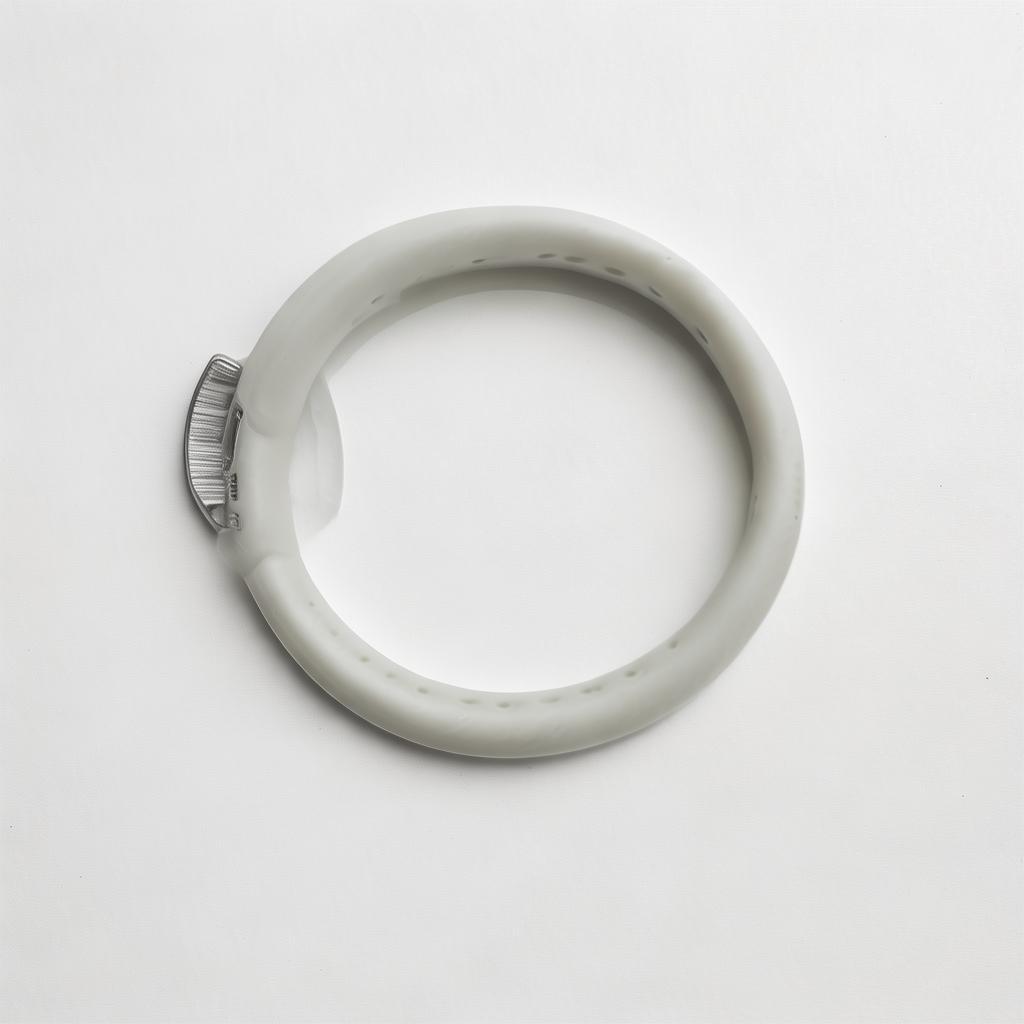
Introduction to Carbon Reinforced Nylon
Carbon reinforced nylon (CRN) stands out in industrial manufacturing as a robust composite material engineered
to enhance the mechanical and thermal properties of traditional nylon. At its core, this material merges polyamide (nylon) — widely famed for its mechanical strength and
chemical resistance — with carbon fiber reinforcements, delivering superior structural integrity without
the weight penalty associated with metals.
The incorporation of carbon fibers in nylon matrices provides a unique combination of rigidity and toughness. Often, manufacturers integrate approximately 10–30% carbon fibers by volume, optimizing for strength, wear resistance, and dimensional stability. This results in a material that resists deformation under load and exhibits remarkable fatigue endurance — properties essential for demanding applications like automotive engine components, aerospace fittings, and heavy machinery parts.
From a procurement perspective, carbon reinforced nylon reduces lifecycle costs. It offers lower tooling wear and prolonged part lifetimes compared to standard nylon grades. Moreover, with enhanced thermal resistance — often performing reliably up to 180°C — it suits environments where heat resistance and mechanical performance intersect.
However, understanding the nuances of carbon reinforced nylon’s supply and manufacturing is crucial. Material handling requires precision — for example, carbon fibers can influence flow properties during injection molding, necessitating specialized molds and processing parameters. Manufacturers like Guangdong Yingtai High Precision Technology Co., Ltd. have developed advanced mold designs and injection technologies to tackle these challenges effectively, ensuring consistent part quality and minimal defects.
Industrial purchasing managers should weigh carbon reinforced nylon against other composites such as glass fiber Nylon 6/6 or pure PA materials, factoring in project-specific stresses, thermal demands, and weight goals. This composite frequently delivers a compelling blend of performance and cost-efficiency, particularly when component longevity and dimension retention under rigorous use are priorities.
Selecting Reliable Suppliers: Yingtai’s Edge
As procurement advisors often note, sourcing carbon reinforced nylon consistently can be complex. Suboptimal supplier choices often lead to material inconsistencies, extended lead times, or post-delivery quality issues. Guangdong Yingtai High Precision Technology Co., Ltd. leverages:
- Integrated in-house production chain: From mold design and processing through precision injection molding, improving traceability and quality control.
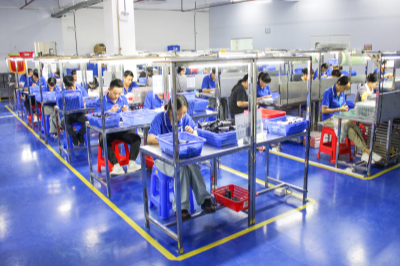
- Advanced molding equipment: Including 80 automatic injection molding machines optimized for reinforced polymer composites, ensuring stable processing conditions.
- Robust testing regime: Dedicated QC teams use dynamic mechanical analysis (DMA), tensile testing, and thermal cycling to verify composite integrity before shipment.
- Customized OEM/ODM solutions: Tailored material specs and secondary operations available to meet unique project requirements.
- Export and logistics expertise: Experienced in overseas shipping, container load optimization, and compliance with international standards (ISO 9001, CE).
Working with Yingtai means gaining a trusted partner sensitive to operational timelines and quality demands of US-based procurement teams.
Request Factory Pricing or Talk With Our Engineer today to explore your project needs.



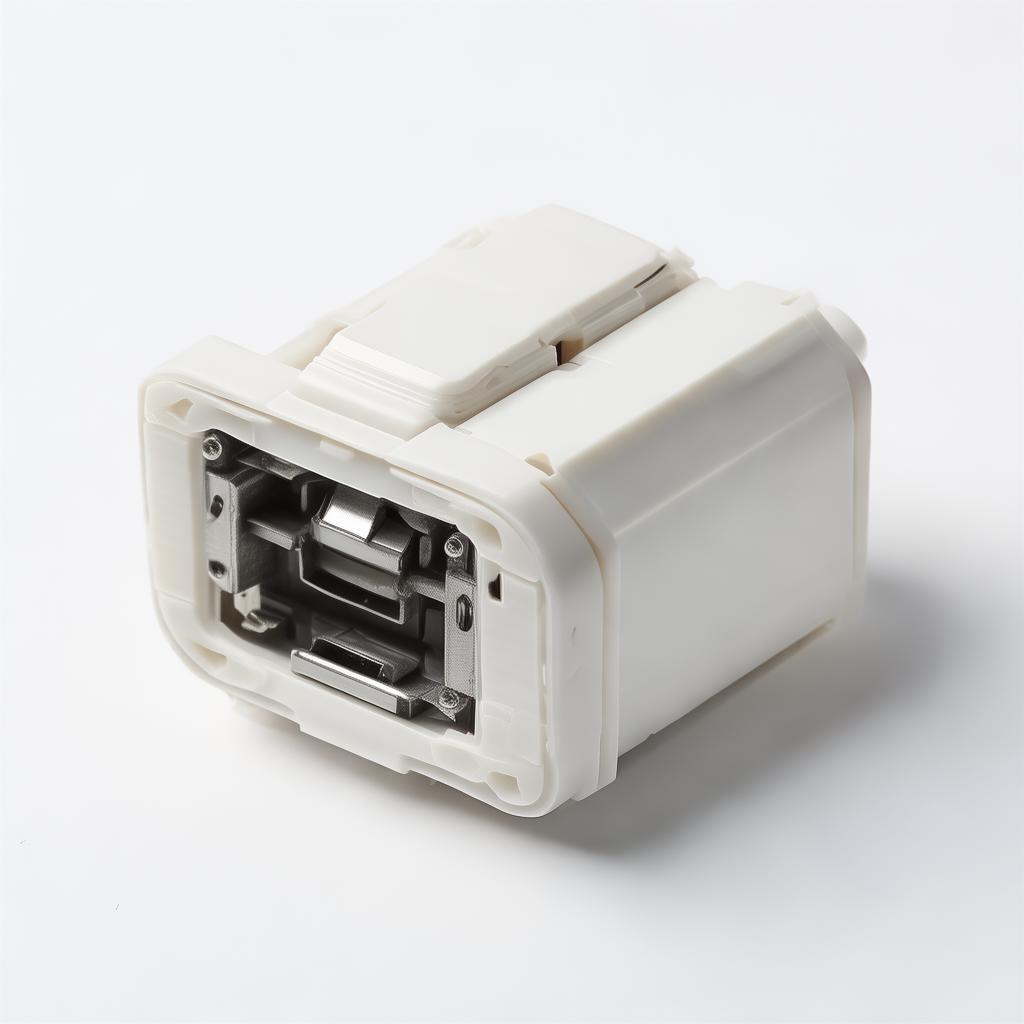
 Jason Martinez, Technical Buyer – Automotive Parts Manufacturer