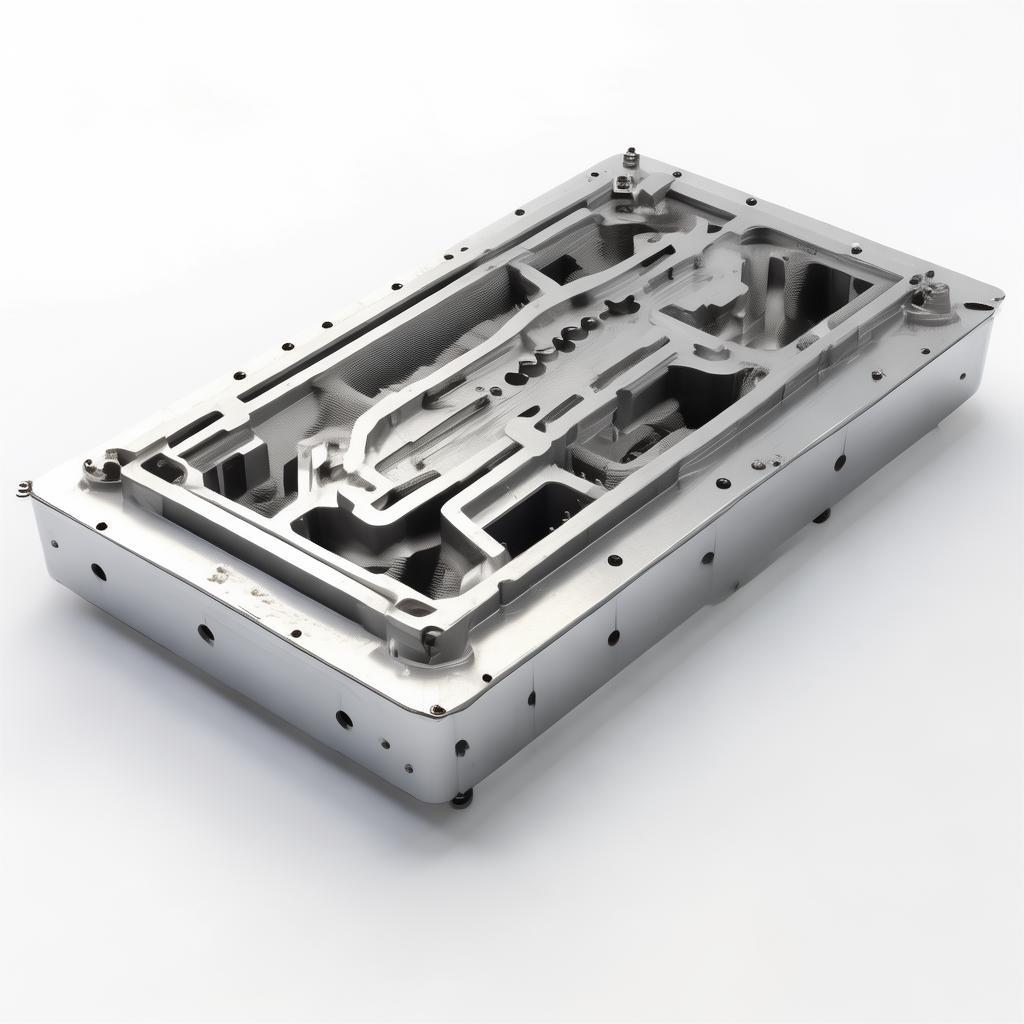
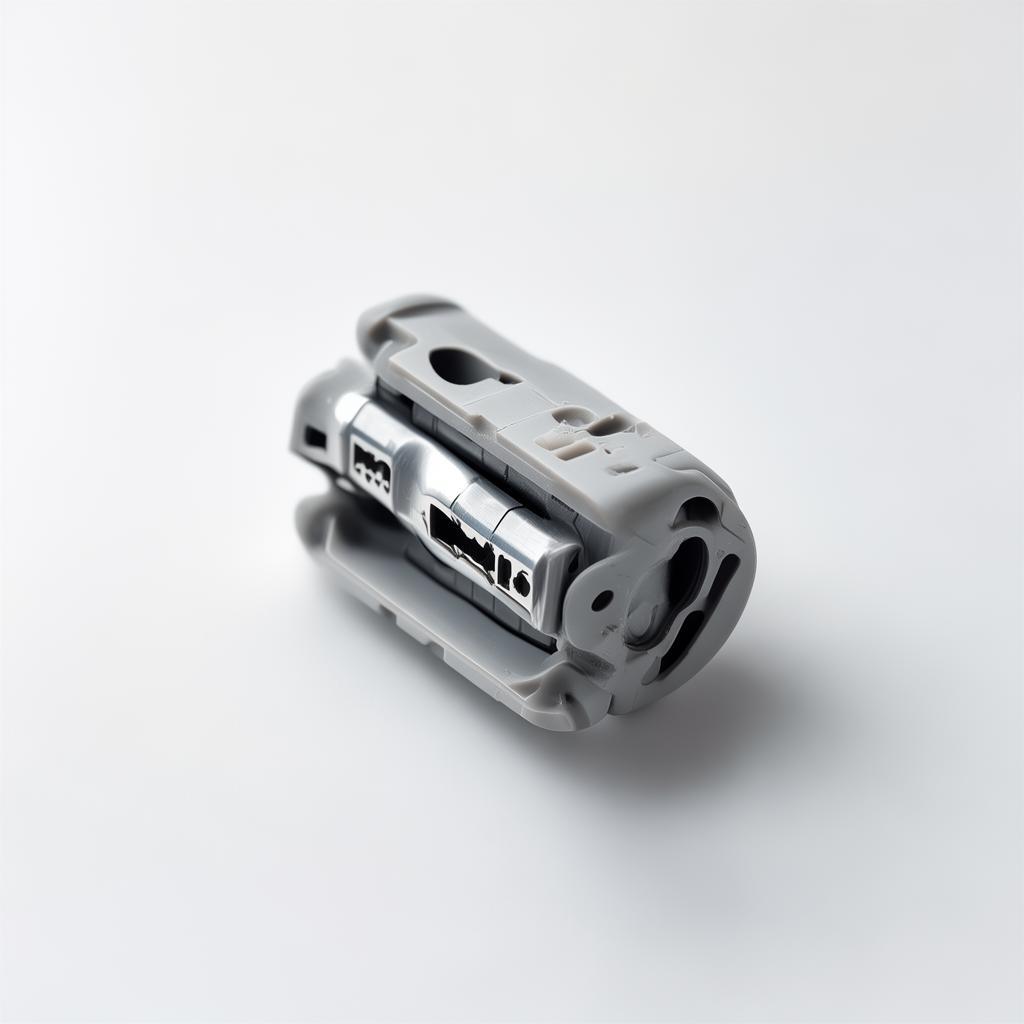
Mark R., Procurement Manager, Midwest Manufacturing GmbH, USA
“Partnering with Yingtai for abrasive blast finishing has been a game-changer. Their surface consistency and fast turnaround reduced our rework rate significantly. Their technical advice on media selection helped optimize costs too.”

Abrasive Blast Finishing
Industry-leading solutions from Guangdong Yingtai High Precision Technology Co., Ltd. | OEM, ODM & Export Experts in High-Quality Surface Finishing In manufacturing sectors ranging from aerospace to automotive, electronics, and heavy machinery, abrasive blast
Product Details
Abrasive Blast Finishing: Precision Surface Treatment for Industrial Excellence
Industry-leading solutions from Guangdong Yingtai High Precision Technology Co., Ltd. | OEM, ODM & Export Experts in High-Quality Surface Finishing
Abrasive Blast Finishing: An Industry-Grade Surface Treatment Solution
In manufacturing sectors ranging from aerospace to automotive, electronics, and heavy machinery, abrasive blast finishing is critical to achieving precise surface treatment and preparation. This process, often known simply as blast finishing or media blasting, involves propelling abrasive particles at high velocity onto component surfaces to clean, polish, or texture them with consistent quality.
Over decades, this finishing technique has evolved to accommodate a variety of substrates—from stainless steel and aluminum alloys to plastics and composite materials—delivering enhanced surface profiles to enable coating adhesion, corrosion protection, and aesthetic refinement.
At Guangdong Yingtai High Precision Technology Co., Ltd., our expertise in advanced abrasive blast finishing is part of 20+ years’ commitment towards high-precision manufacturing and OEM/ODM development. Situated in Dongguan’s Changan Town, a global manufacturing hub, we integrate cutting-edge technology and refined process control methods to serve the demands of international buyers seeking durable and consistent surface finishing solutions.
Exact surface texture and cleanliness are not “nice-to-have” features: they form the foundation for product longevity, performance in harsh environments, and even downstream manufacturing steps such as painting, bonding, and assembly. Yet blast finishing remains a nuanced art and science, balancing abrasive choice, media velocity, exposure duration, and dust management.
For international procurement specialists, operations managers, and production engineers, understanding the technical subtleties and operational factors is essential for:
- Optimizing cost-efficiency without compromising surface uniformity or adherence to stringent ISO standards
- Minimizing rework cycles caused by inconsistent blast patterns or embedded media residues
- Integrating blast finishing seamlessly with automated production flows and lean manufacturing principles
- Assessing and selecting suppliers capable of meeting volume, quality, and compliance requirements in global shipping contexts
In this detailed overview, we explore abrasive blast finishing from a procurement and technical standpoint. We aim to provide a realistic framework for evaluating supplier capabilities, understanding process variables, and making informed purchasing decisions that align with your operational goals.
Common Industry Challenges in Abrasive Blast Finishing
While abrasive blasting is proven for effective surface preparation, many plants and manufacturers encounter persistent challenges that can cause delays, rework, or reduced product quality:
- Inconsistent surface profiles: Variability in particle size, media degradation, or air pressure fluctuations often leads to uneven roughness, reducing coating adhesion strength.
- Media contamination and embedded residues: Improper media recycling or wrong abrasive choice can embed particles into soft surfaces or delicate finishes, causing quality complaints.
- Excessive dust generation: Dust control solutions often add cost and maintenance demands, yet inadequate dust management poses health risks and contaminates surrounding areas.
- Equipment wear and maintenance downtime: Blast nozzles, hoses, and pressure vessels wear rapidly if maintenance is ignored, impacting finish quality and throughput.
- Long setup and changeover times: Facilities serving multiple product lines struggle with blast chamber or abrasive type switching, increasing lead times and labor costs.
- Complex shipping logistics: Abrasive media procurement and transport require specialist handling and packaging to avoid moisture / contamination absorption during transit.
From an export and supply chain perspective, sourcing reliable abrasive blast finishing services or consumables accompanies risks such as inconsistent product documentation, unclear certification claims (ISO/CE), and delays inherent in importing hazardous materials under regulated shipping regimes.
Technical Deep Dive: How Abrasive Blast Finishing Works
The principle behind abrasive blast finishing is relatively straightforward: an abrasive medium is accelerated by compressed air or centrifugal force and projected onto a workpiece surface. Yet execution depends on numerous variables, including:
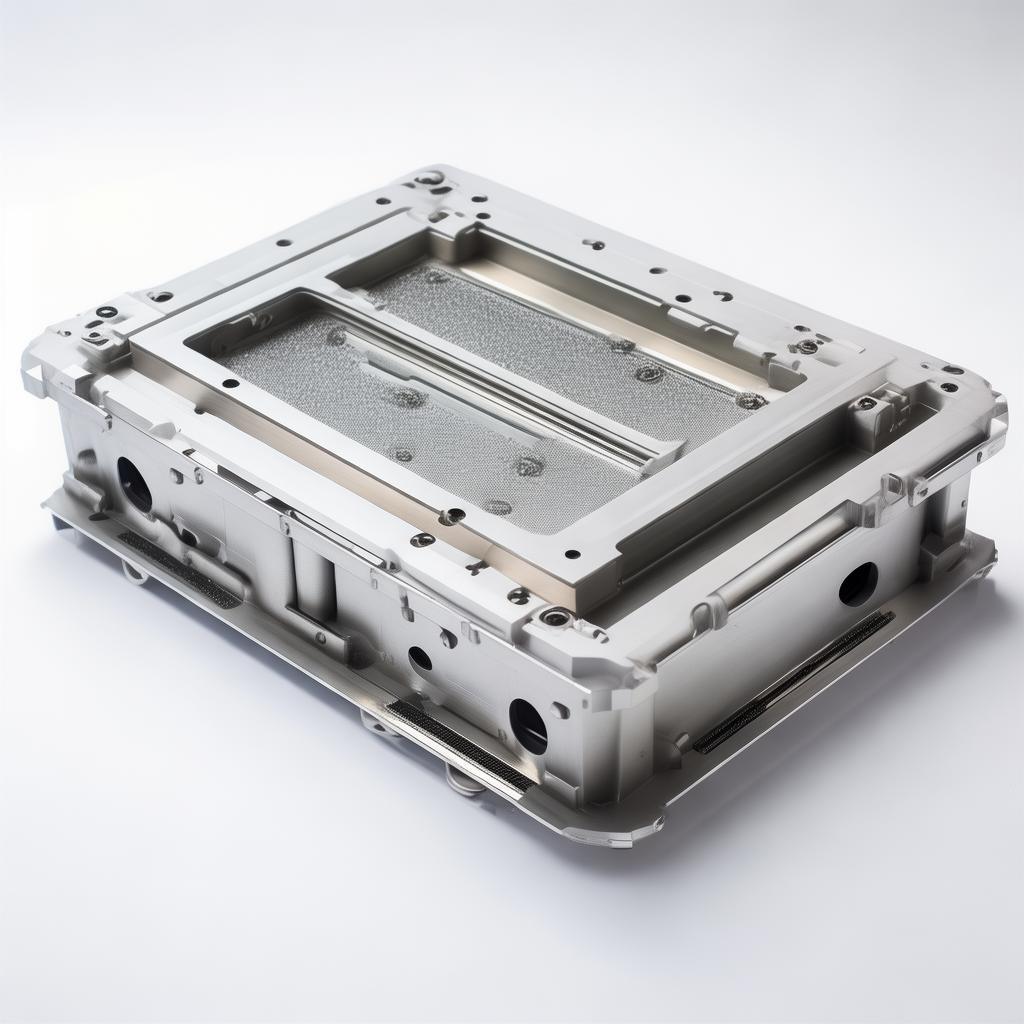
- Abrasive media selection: Common materials include steel grit, aluminum oxide, silicon carbide, glass beads, and plastic pellets. Every medium varies in hardness, shape, and density affecting surface texture and impact energy.
- Particle size and consistency: Finer abrasives create smoother finishes, while coarser grains impart aggressive cleaning action. Controlling media wear rate and replenishment ensures process repeatability.
- Propulsion method and velocity: Pneumatic blast systems operate between 60–90 psi, while wheel-blast systems can reach much higher kinetic energy. Velocity directly governs impact force and subsequent surface alteration.
- Blasting angle and distance: Angle controls footprint shape and intensity, with typical ranges between 45° and 90°. Distance influences media dispersion and abrasion depth.
- Cycle time and media flow rate: Optimizing exposure duration is crucial to avoid under-treatment that leaves residues or over-treatment that damages parts.
- Ventilation and dust collection: Systems must trap airborne particles effectively to prevent operator exposure and equipment contamination.
bead blast surface finish chart black oxide gun finish blasting beads
Typical Abrasive Media Characteristics
| Material | Mohs Hardness | Typical Grain Size | Primary Applications | Recyclability |
|---|---|---|---|---|
| Steel Grit | 6.5 – 7 | 0.2–2.0 mm | Heavy-duty surface cleaning, scale removal | High, multiple cycles |
| Aluminum Oxide | 9 | 0.1–1.2 mm | Surface prep for coatings, finish smoothing | Moderate, degrades with use |
| Glass Beads | 6 | 0.15–1.0 mm | Surface peening, cosmetic finishing | Good recyclability |
| Plastic Media | < 5 | 0.2–2.0 mm | Delicate cleaning, deburring on soft materials | Limited recyclability |
Understanding these parameters allows manufacturers to tailor abrasive blasting for high volume or low batch runs, complex component geometries, and strict surface finish tolerances.
Advantages of Professional Abrasive Blast Finishing Services
Partnering with a supplier that masters abrasive blast finishing can translate into tangible operational benefits:
- Consistent Surface Profiles: Utilizing tightly screened abrasives and calibrated parameters ensures throw-down uniformity compatible with industrial standards (e.g., ISO 8503).
- Material Versatility: From metals and composites to plastics and glass, abrasive blasting adapts across sectors with minimized risk of substrate damage.
- Environmental Compliance and Safety: Modern blast rooms deploy high-efficiency cyclone separators and HEPA filters reducing particulate emissions and operator exposure.
- Cost Control via Media Recycling: Optimized abrasion media cycling lowers consumable spend while maintaining surface quality.
- Scalability and Integration: Automated blasting cells equipped with robots or CNC interfaces support just-in-time processing without bottlenecks.
- OEM/ODM Customization: OEM and ODM customers benefit from tailored abrasive solutions paired with advanced tooling and analytical quality checks.
At Yingtai, our expertise in integrating abrasive blast finishing within silicone molding and overmolding workflows has proven especially valuable. The synergy between precision liquid silicone rubber molding and surface blast finishing enables superior part performance in wearable electronics, automotive seals, and medical devices.
Industrial Applications: Where Abrasive Blast Finishing Excels
Abrasive blast finishing's versatility suits multiple application environments, including but not limited to:
- Automotive and New Energy Vehicles: Preparation of engine parts, chassis frames, aluminum wheels, and battery enclosures for protective coatings and anti-corrosion layers.
- Consumer Electronics: Surface texturing for components requiring anti-slip finishes, matte effects, or paint adhesion, such as casings and frames.
- Medical Equipment: Cleaning and finishing surgical instruments, implant housings, and precision molded silicone seals.
- Industrial Appliances: Blast finishing of pumps, valves, and electrical enclosures for improved durability and aesthetic consistency.
- Aerospace Components: Substrate surface prep for fatigue-resistant coatings on aircraft structural parts.
Industries with stringent regulatory and quality compliance require suppliers who maintain ISO 9001 and CE certifications alongside established production controls for blast finishing.
Procurement Guide: Evaluating Abrasive Blast Finishing Suppliers
When sourcing abrasive blast finishing services or consumables internationally, buyers should consider several procurement risks and quality checkpoints:
- Certification Verification: Confirm ISO 9001, ISO 14001, CE, or industry-relevant accreditations to ensure compliance with safety and quality management systems.
- Surface Quality Data: Request recent surface roughness measurements (Ra, Rz) and blasting profiles to assess batch consistency.
- Media Traceability and Sources: Verify abrasive material origin and recycling regimen to guarantee consistent abrasive properties and environmental standards.
- Equipment & Capacity: Evaluate supplier machinery age, blast cabinet sizes, and automation capabilities relative to your volume and quality expectations.
- Lead Time & Logistics: Align delivery timelines including customs clearance, hazardous substance documentation, and container loading optimization.
- After-Sales Support: Look for ongoing technical consultation, troubleshooting assistance, and spare parts availability in your region.
- OEM/ODM Partnership Potential: Favor suppliers open to co-developing surface treatment specifications and tailored media formulations.
Practical Buyer Tip: Sampling pilot runs and site audits remain invaluable before committing to large-scale procurements. Many procurement managers find that informed early-stage collaboration reduces costly production stoppages related to surface finish issues.
Frequently Asked Questions
- Q1: How does abrasive blast finishing differ from sandblasting?
- While sandblasting traditionally refers to using silica sand based abrasives, abrasive blast finishing encompasses diverse media like steel grit, aluminum oxide, and glass beads, selected specifically to achieve technical surface requirements while minimizing health risks associated with silica dust.
- Q2: What certifications should I expect from a reliable blast finishing supplier?
- ISO 9001 for quality management, ISO 14001 for environmental management, and CE marking for European conformity are standard certifications. Specific industry compliance like NADCAP in aerospace or FDA compliance for medical devices may also be relevant depending on application.
- Q3: What maintenance considerations exist for blast finishing equipment?
- Regular inspection and replacement of blast nozzles, control valves, and abrasive separation systems are essential to maintain consistent output quality. Dust collector cartridge changes and compressor maintenance also influence system effectiveness and uptime.
- Q4: How is logistics handled for international abrasive media shipments?
- Media is typically shipped in sealed, moisture-resistant packaging to prevent contamination. Due to dust and particulate considerations, abrasives are often treated as non-hazardous bulk cargo but require careful labeling and customs clearance documentation. Guangdong Yingtai’s export team ensures compliance with US and international shipping standards.
- Q5: Can abrasive blast finishing be combined with liquid silicone rubber molding?
- Absolutely. Yingtai excels in integrating abrasive blast finishing as a surface prep step before or after liquid silicone rubber injection and overmolding processes — ensuring optimal adhesion and enhanced durability in final products.
What Our Clients Say
Get in Touch
If you have any camping barbeque equipment inquiry, please feel free to contact us.